A label with a story, not a claim of reinvention
The label dates its beginnings to 2014, when it started with scarves and clothing. Its history includes a pause and a return after recovering its domain, so it would be misleading to describe the intervening years as uninterrupted trading. That modest account is more useful than an elaborate origin myth: it tells you where the interest in wearable textiles began without pretending that longevity alone establishes quality.
Its original brown wordmark, horse motif and “Since 2014” detail give it a recognisable identity; a neutral taupe palette keeps the presentation restrained. The more relevant question for a shopper is whether a particular scarf works with clothes already in use. Think of the brand as a place to consider an accessory, not as a reason to replace a coat, buy a matching outfit or accept a description without checking the individual product details.
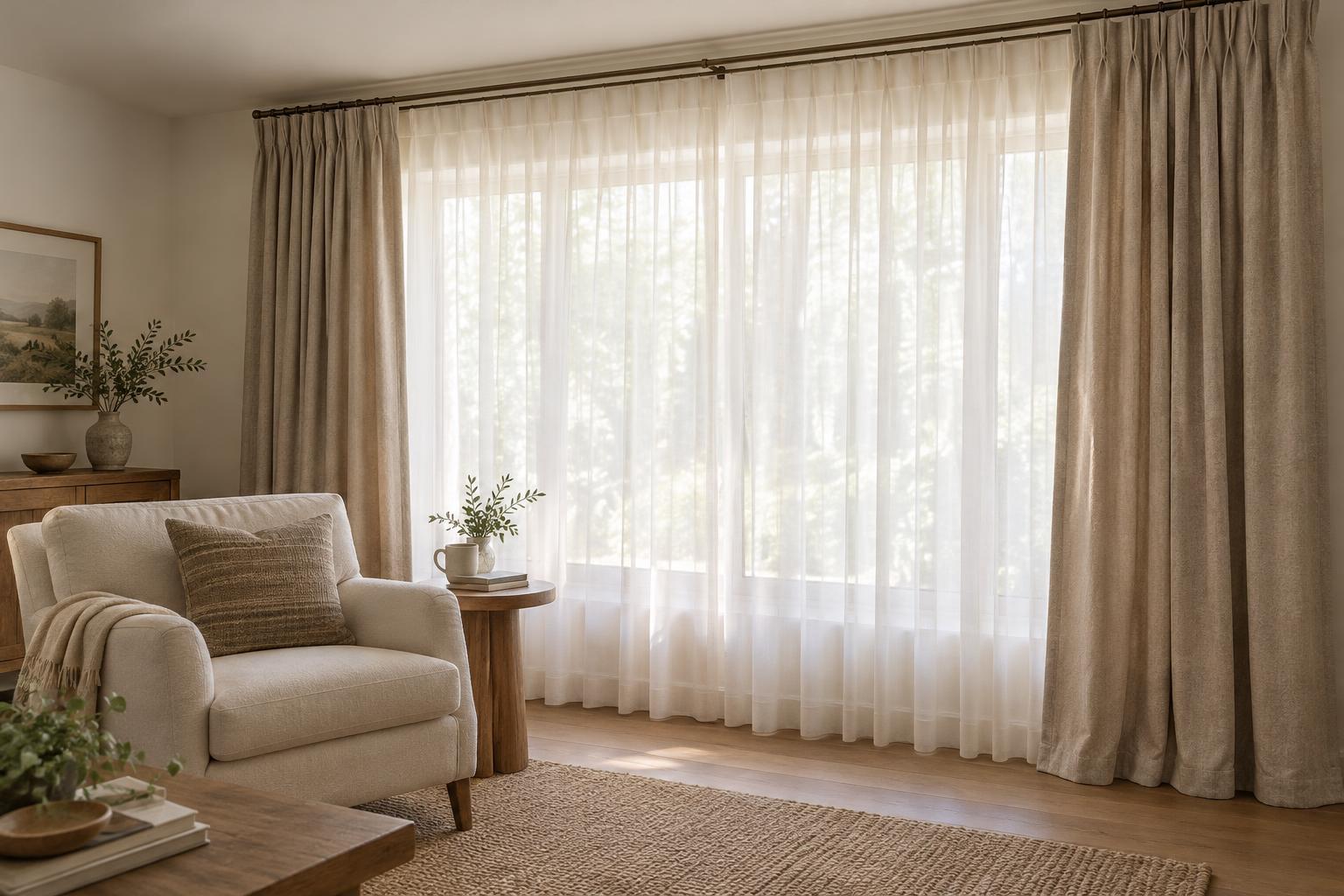
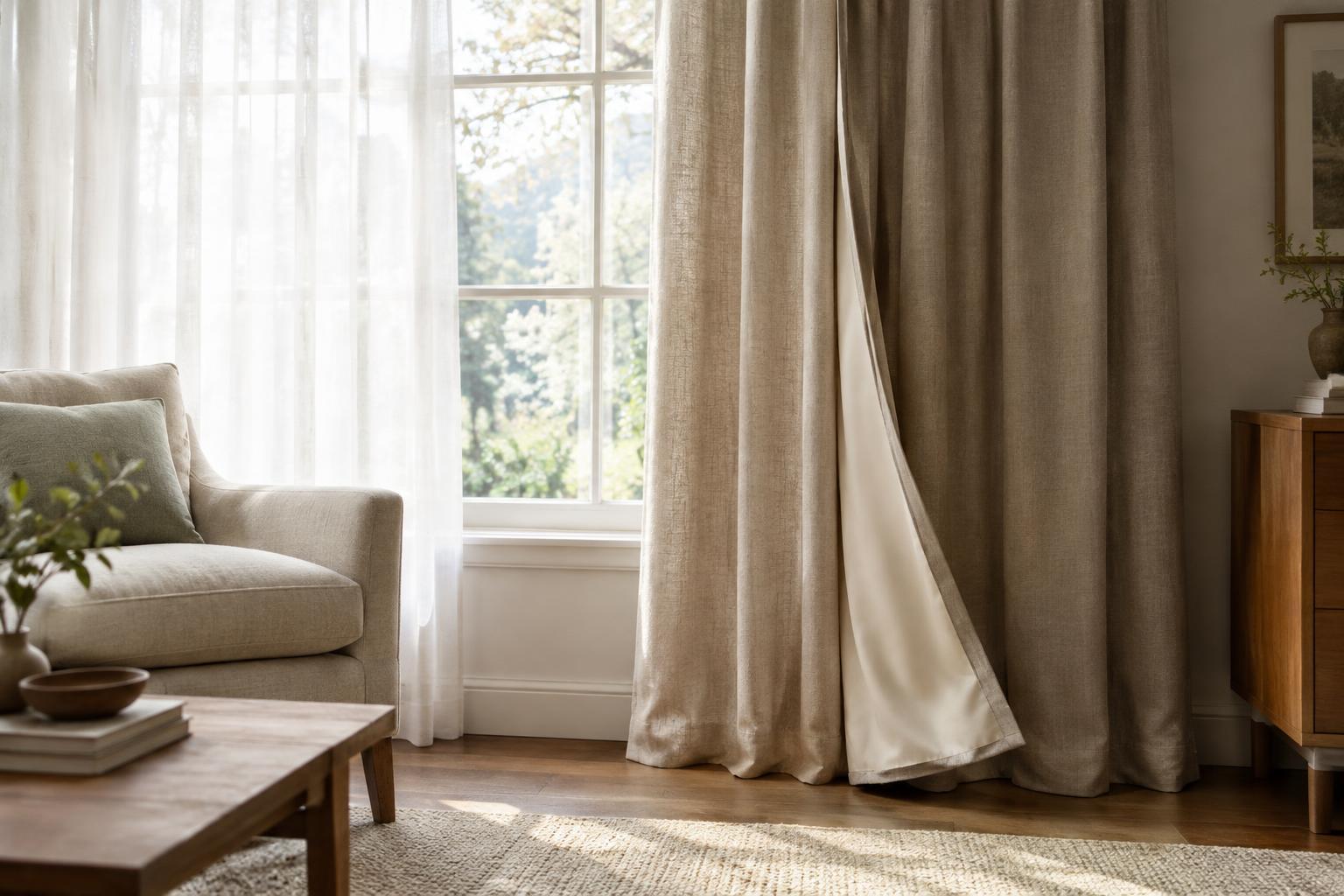
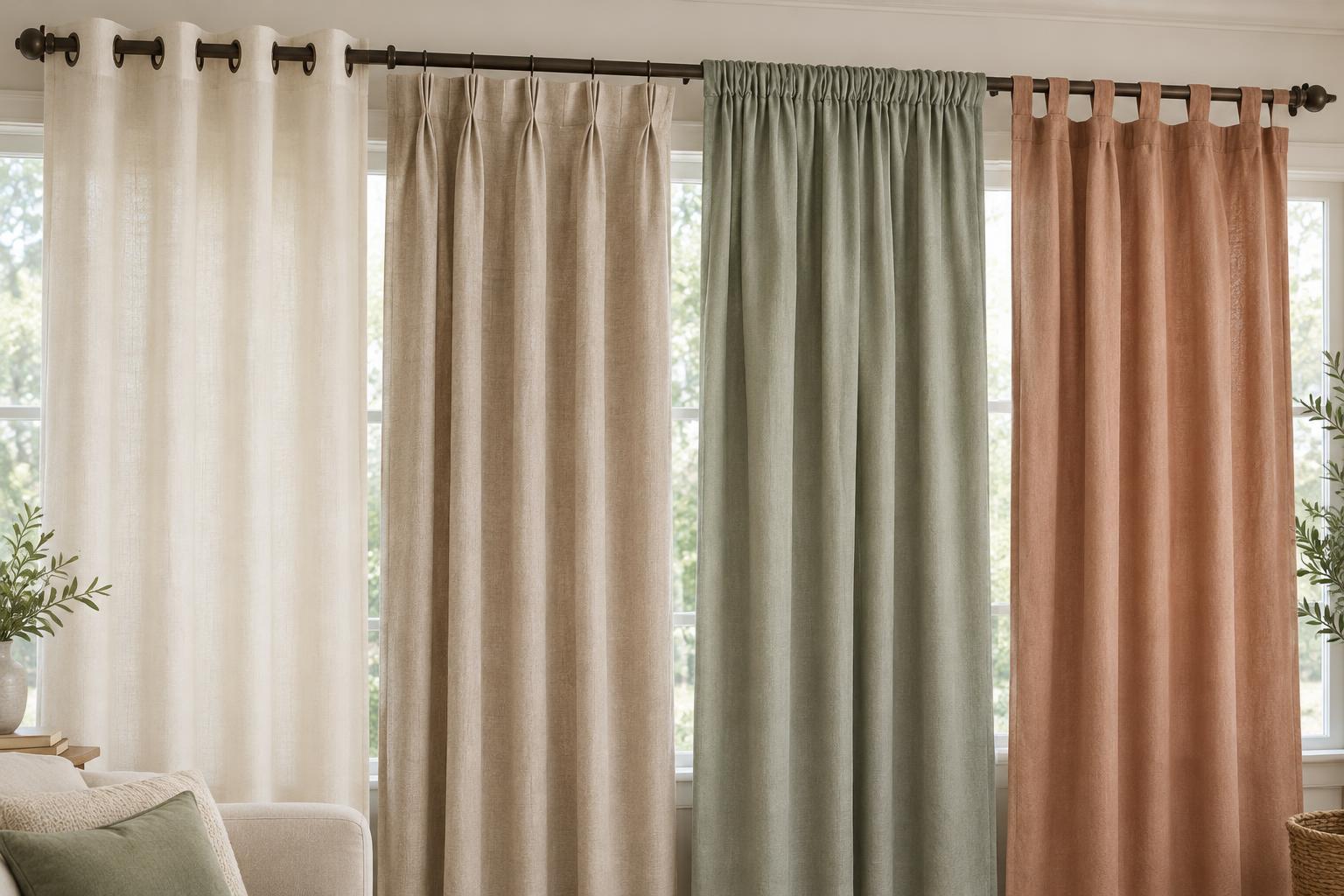
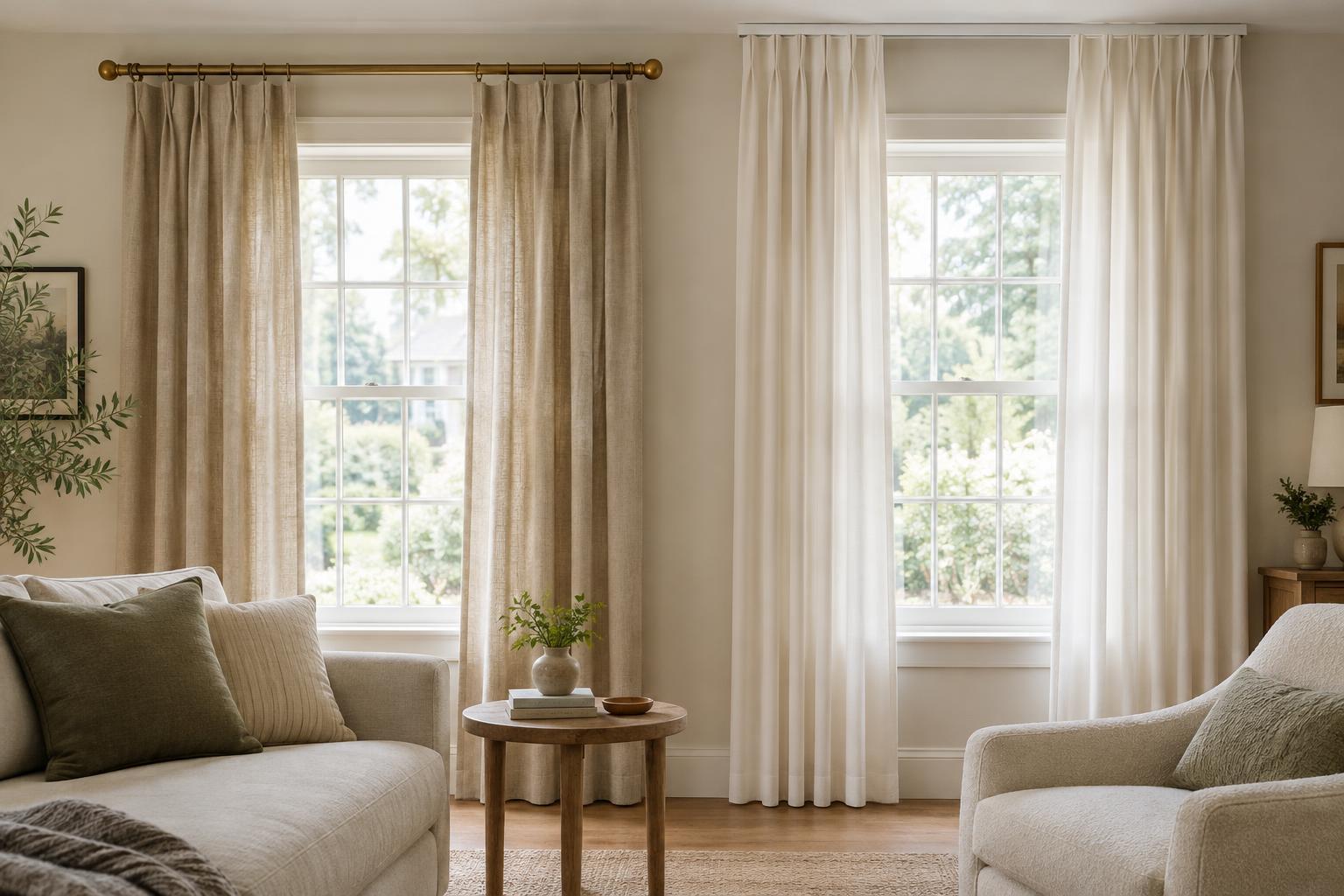
Think like a home-textile editor, then think like a wearer
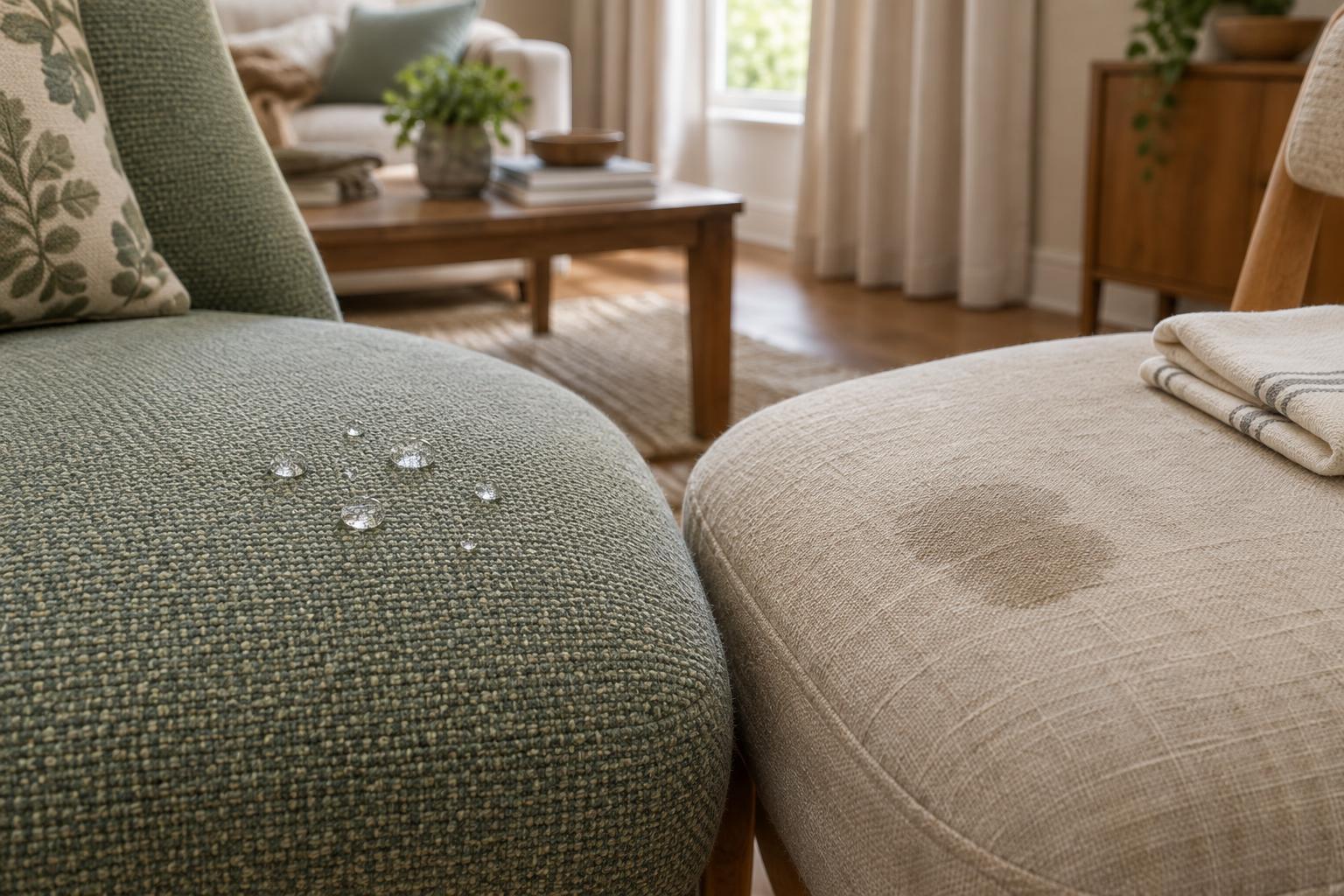
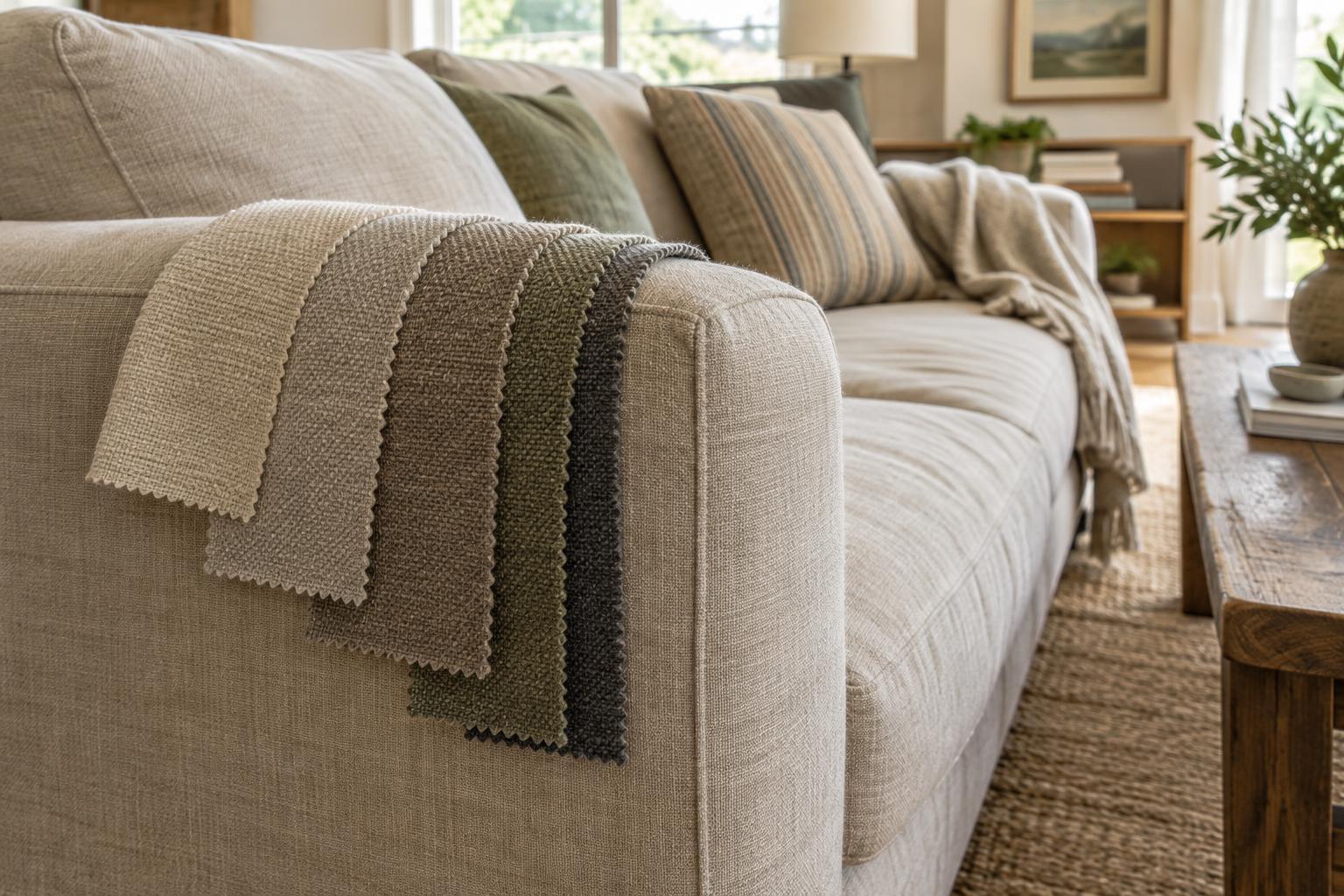
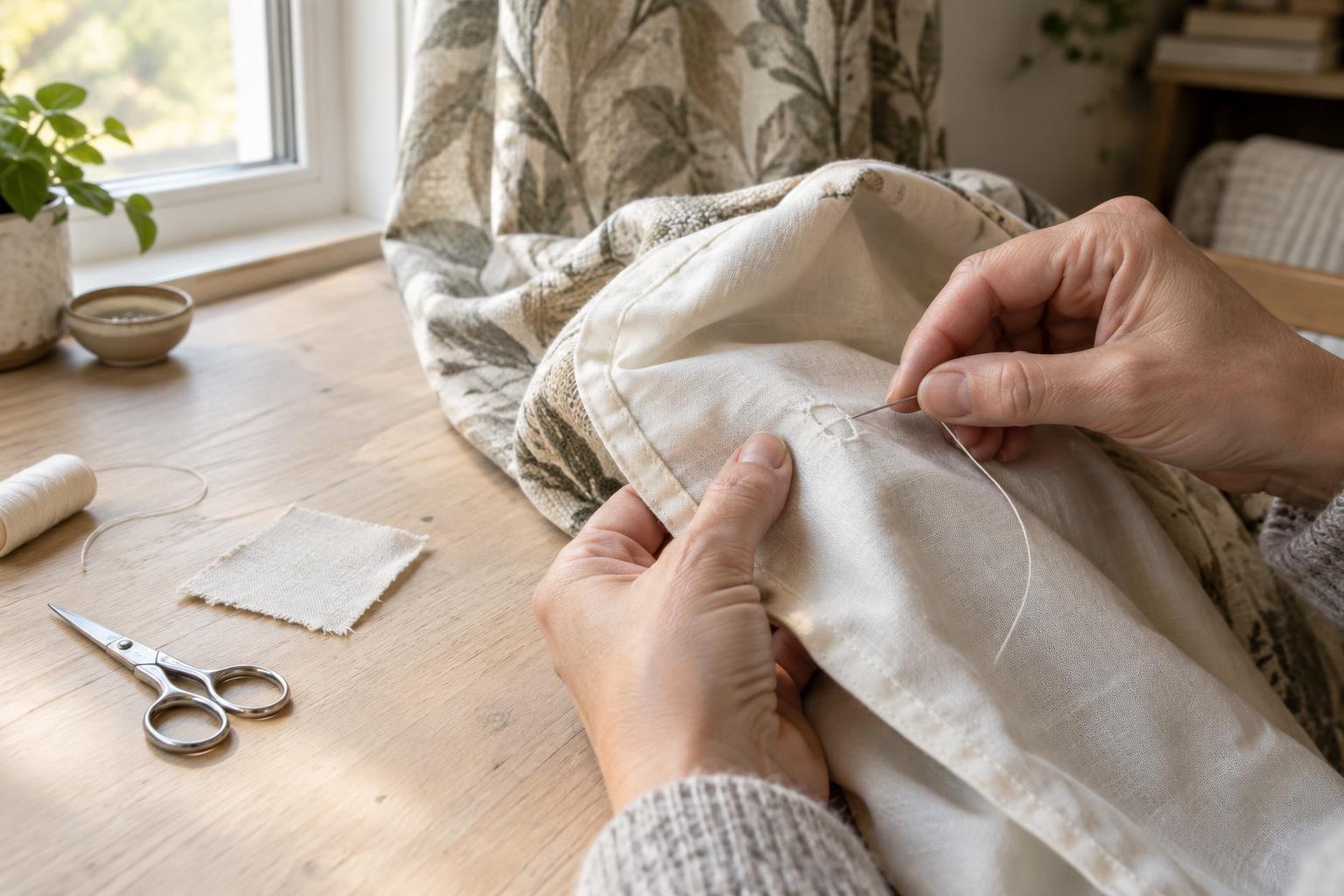
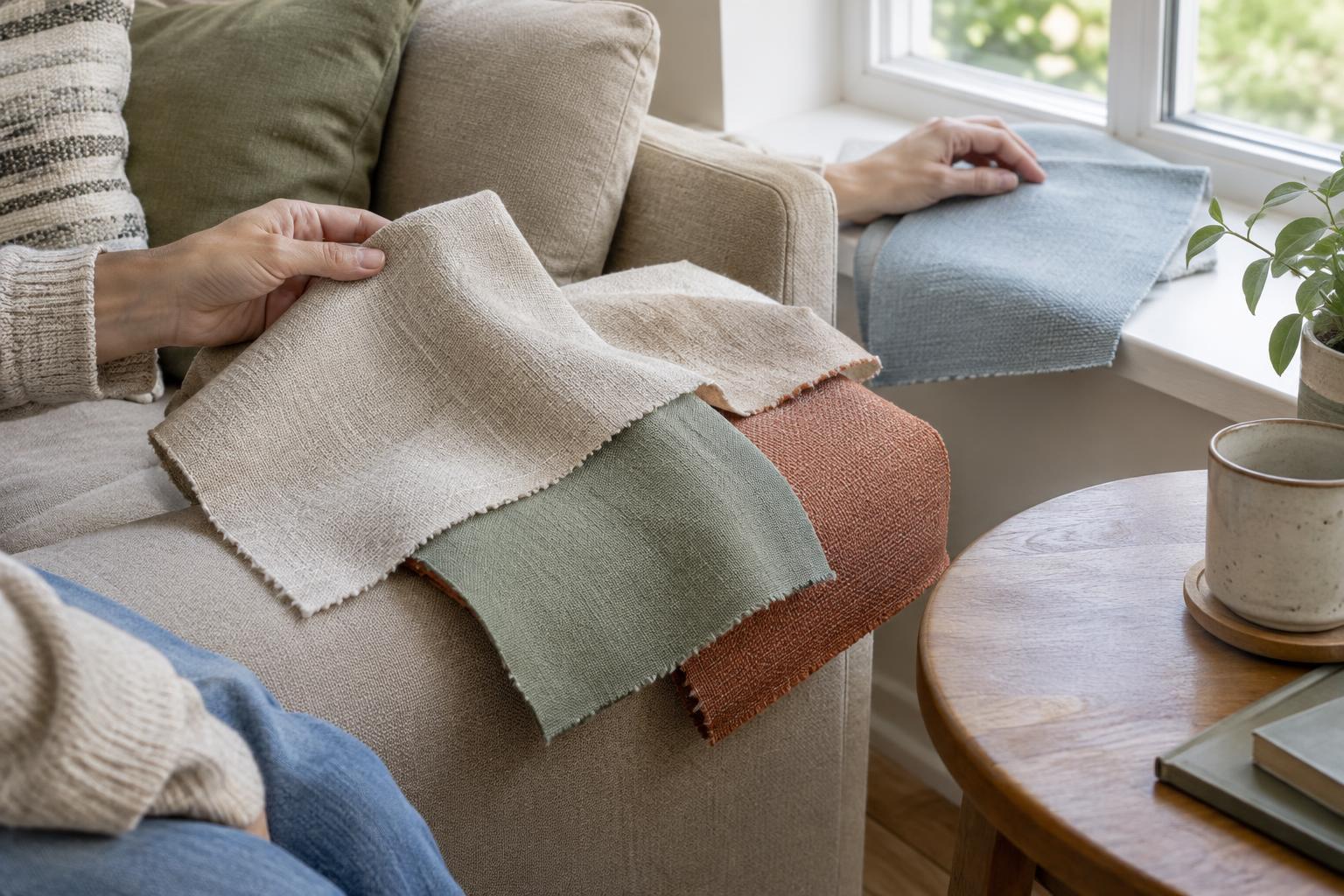
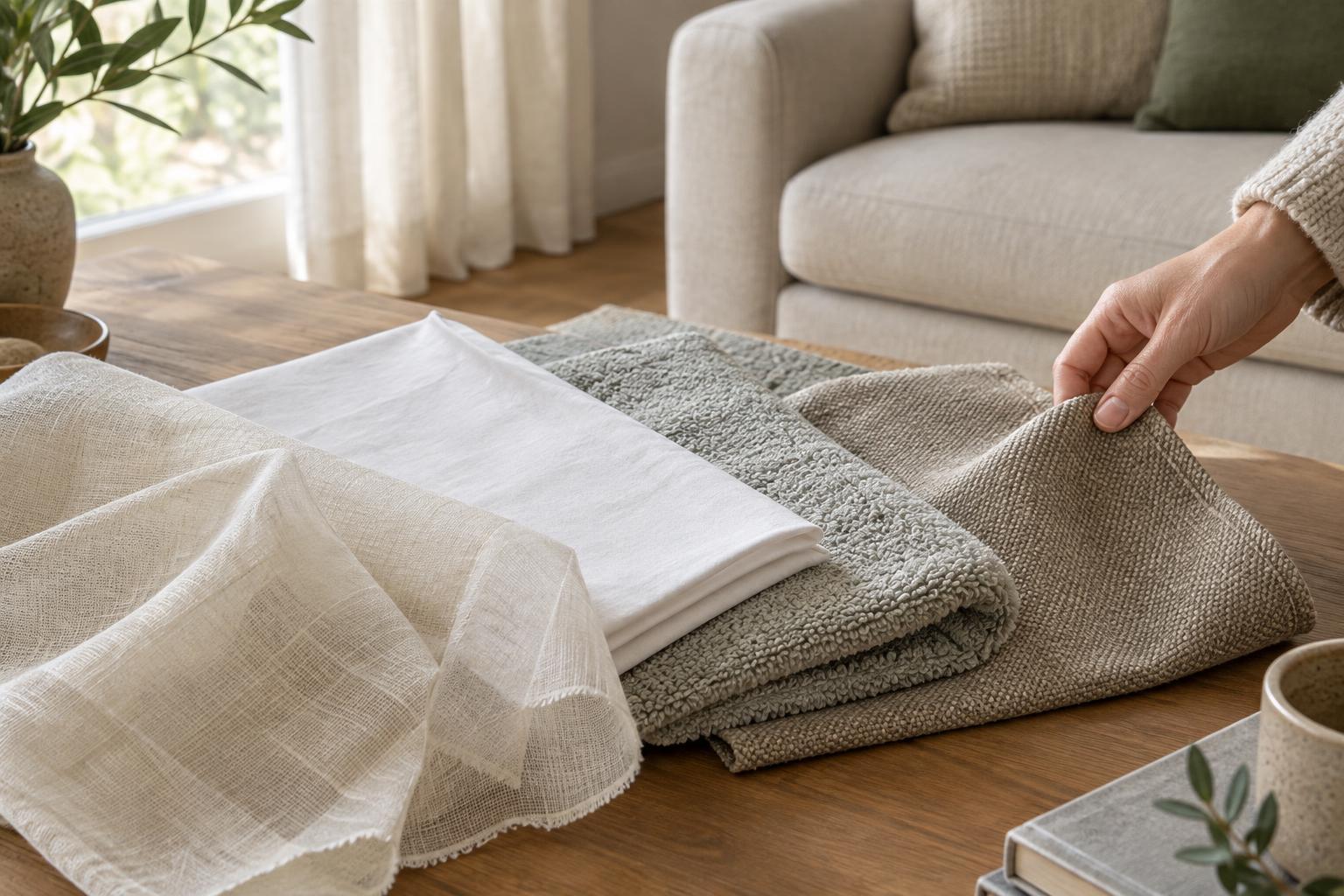
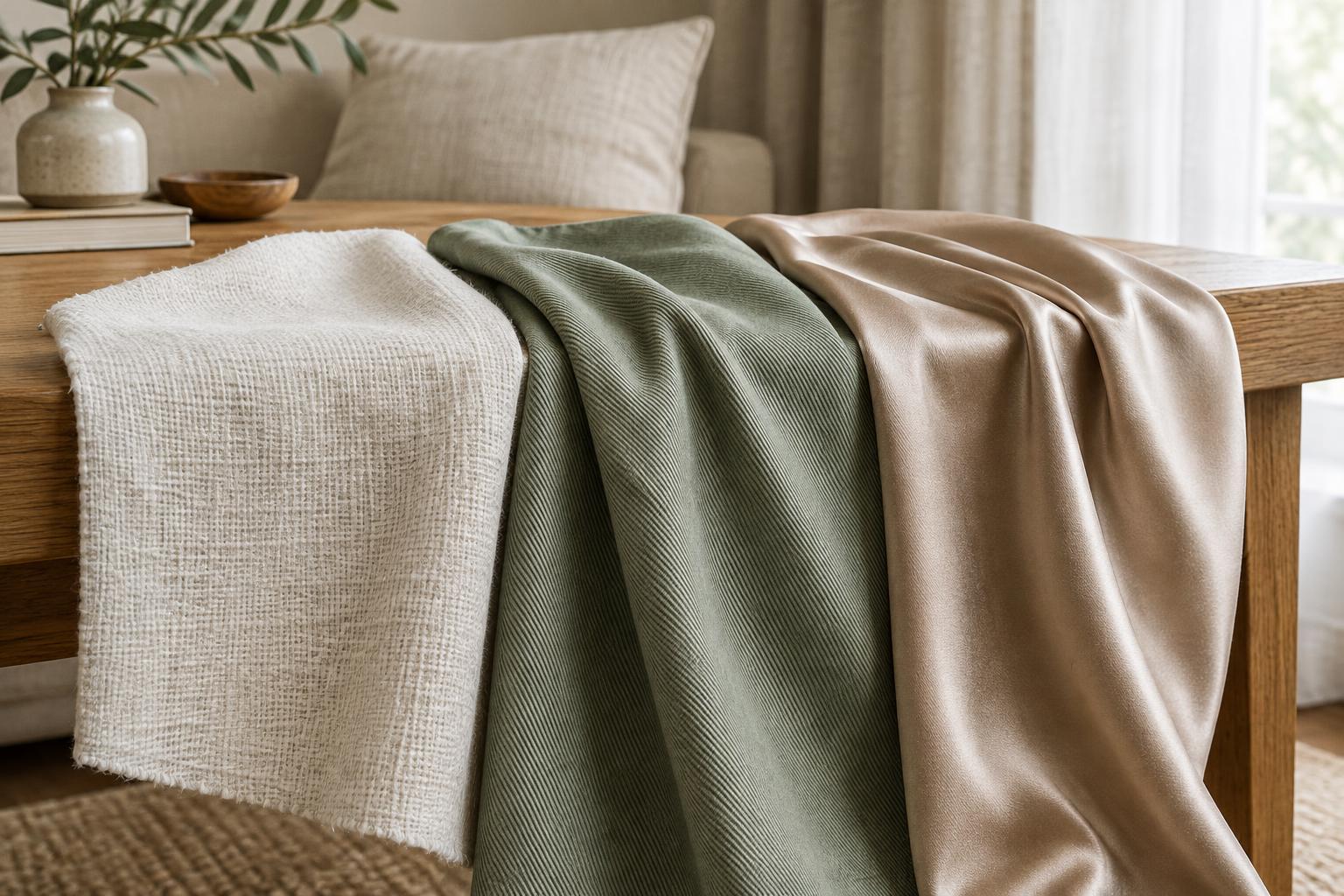
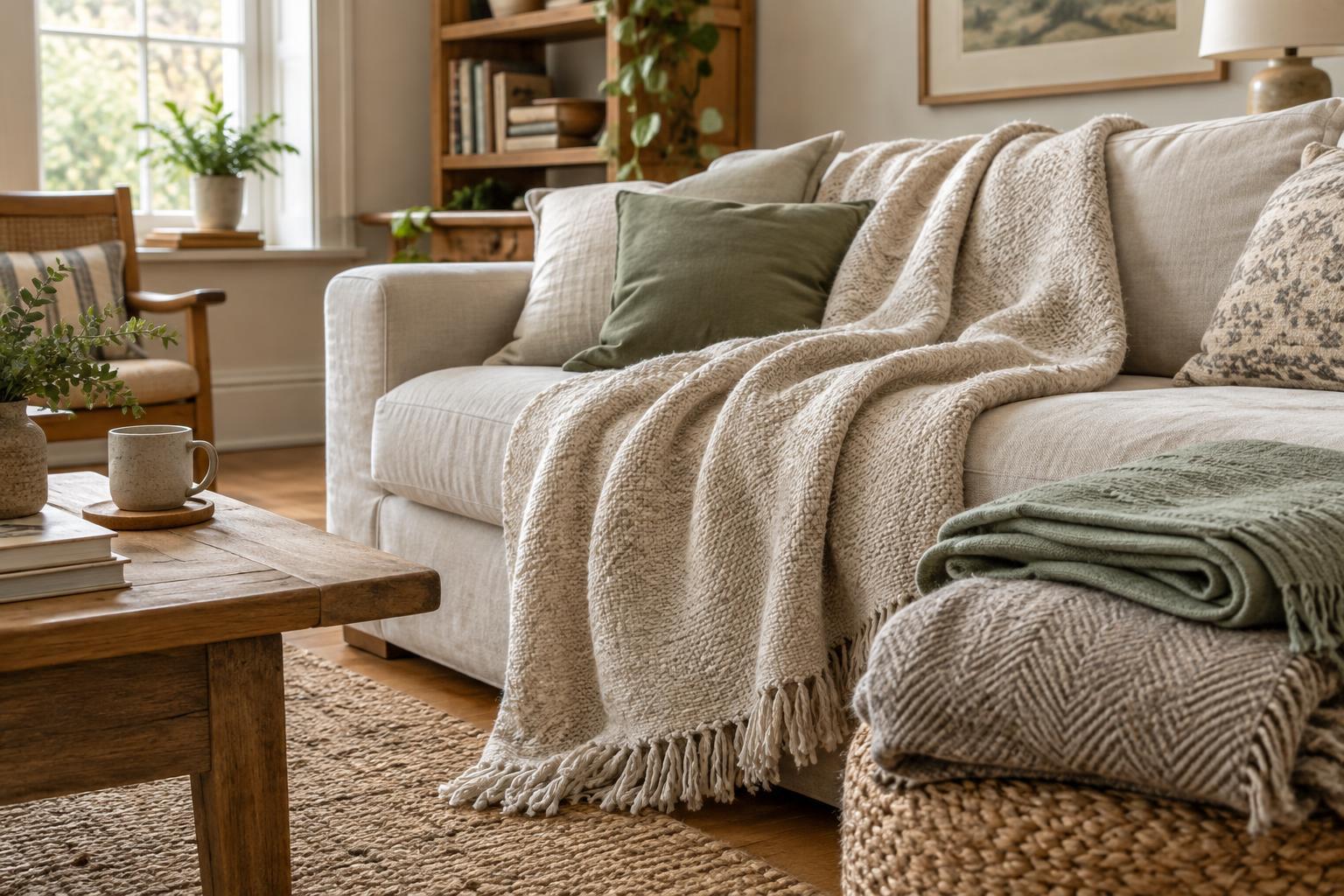
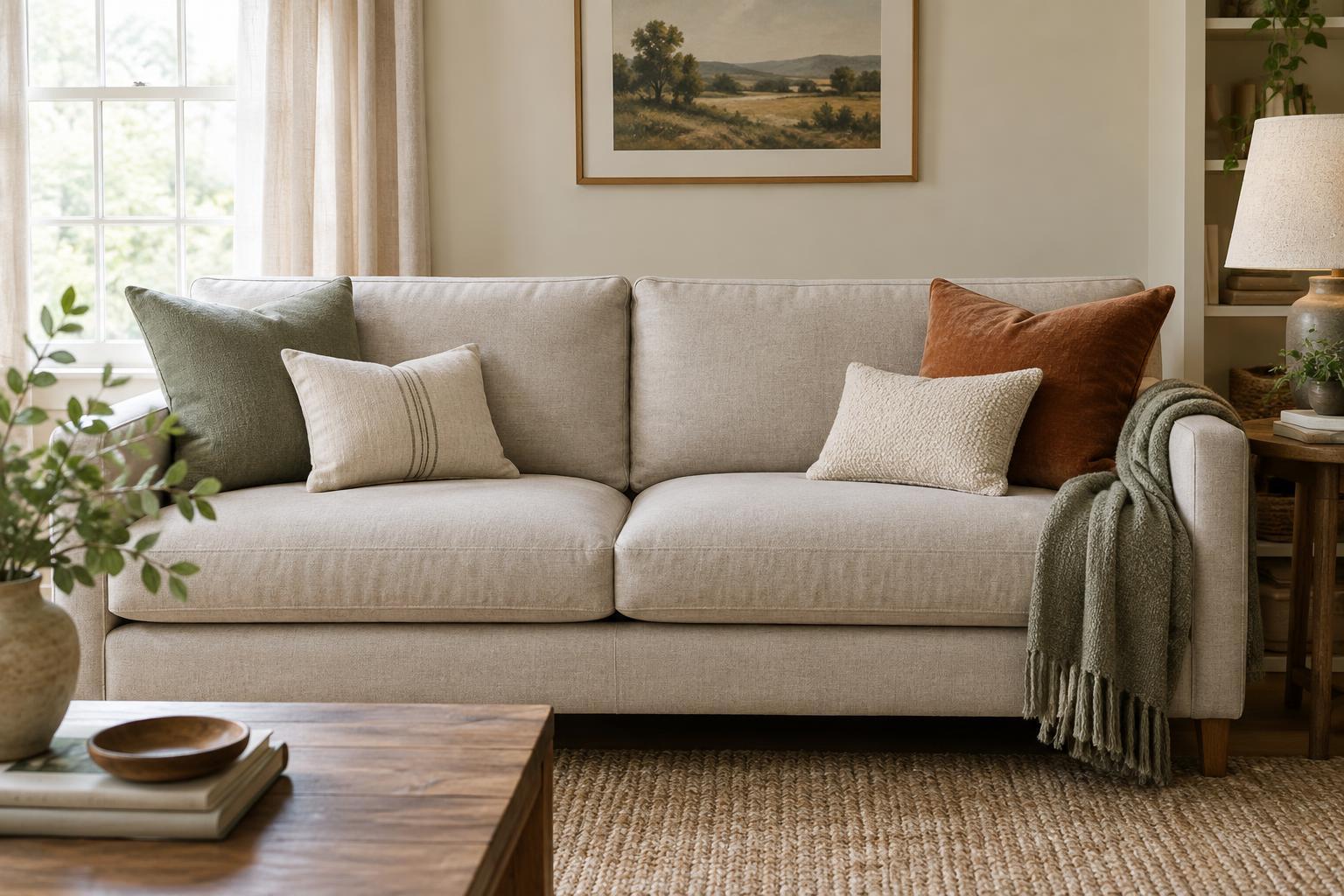
A curtain can look beautiful as a swatch yet behave differently across a whole window. A scarf also changes character when it moves from a flat image to shoulders, neck or hair. Its width determines whether it reads as a narrow accent or a layer; its length affects how many turns and knots are comfortable. Before choosing a colour, decide what job the piece needs to do: soften the edge of a jacket, add an accent near the face, or provide a generous wrap over a dress.
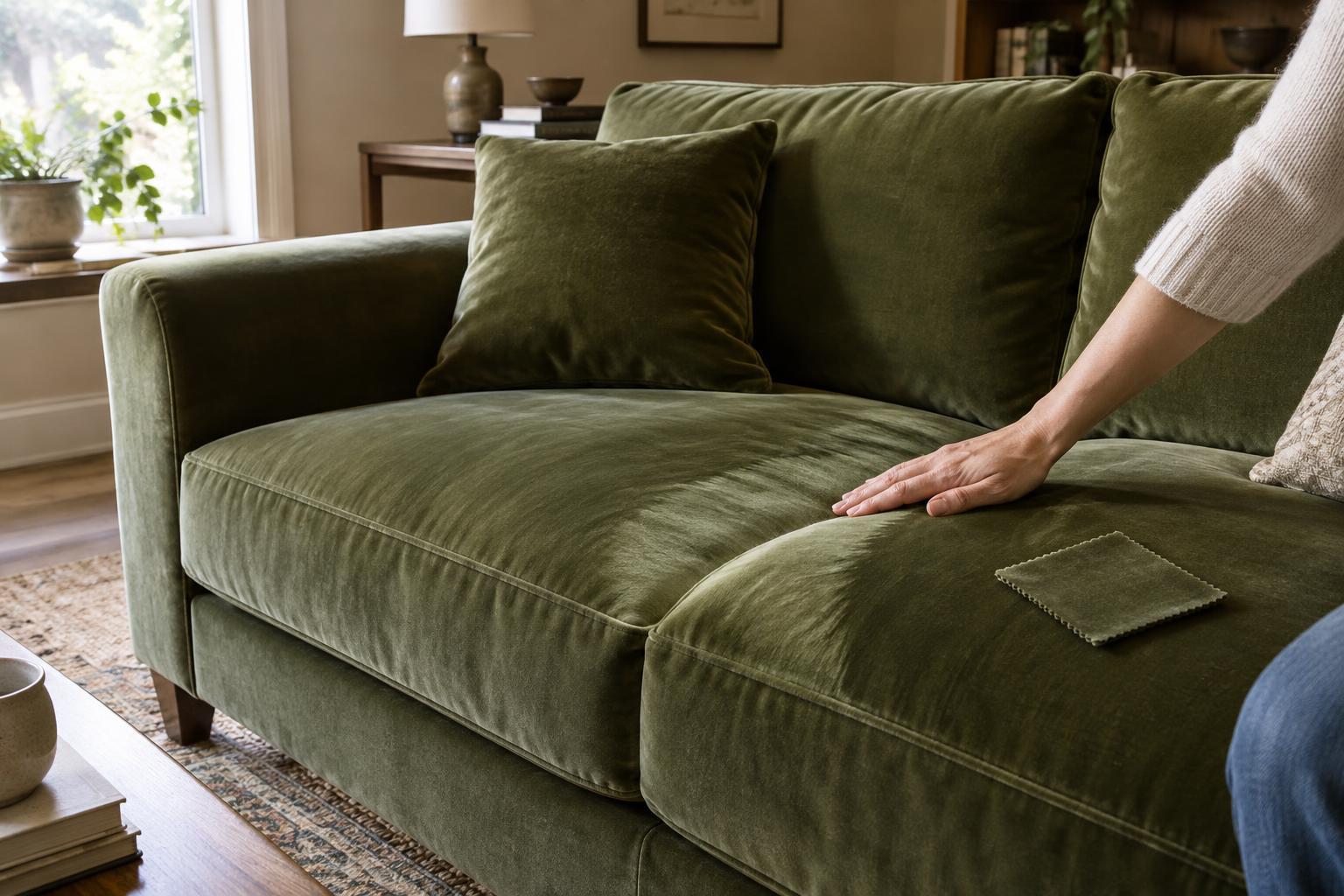
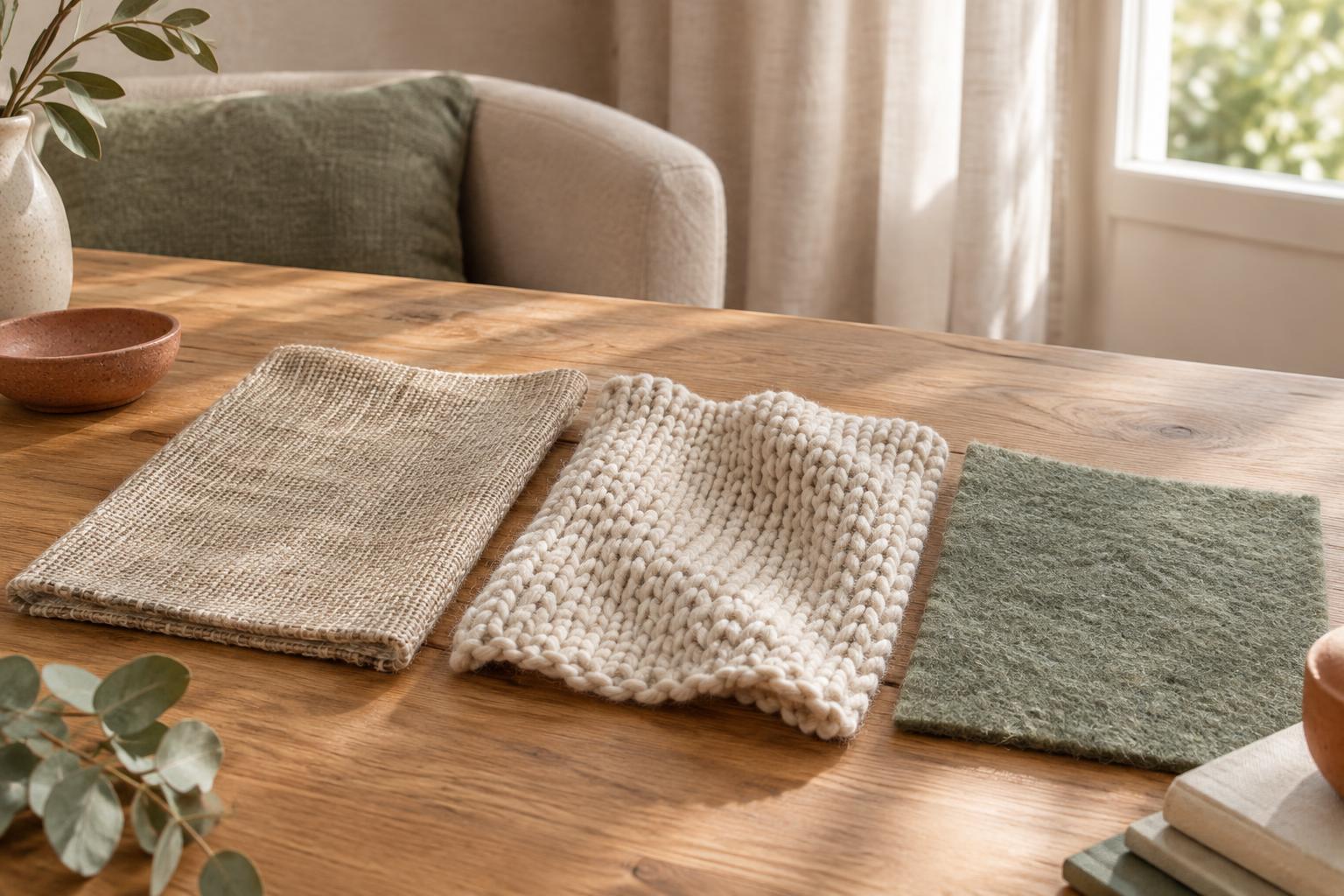
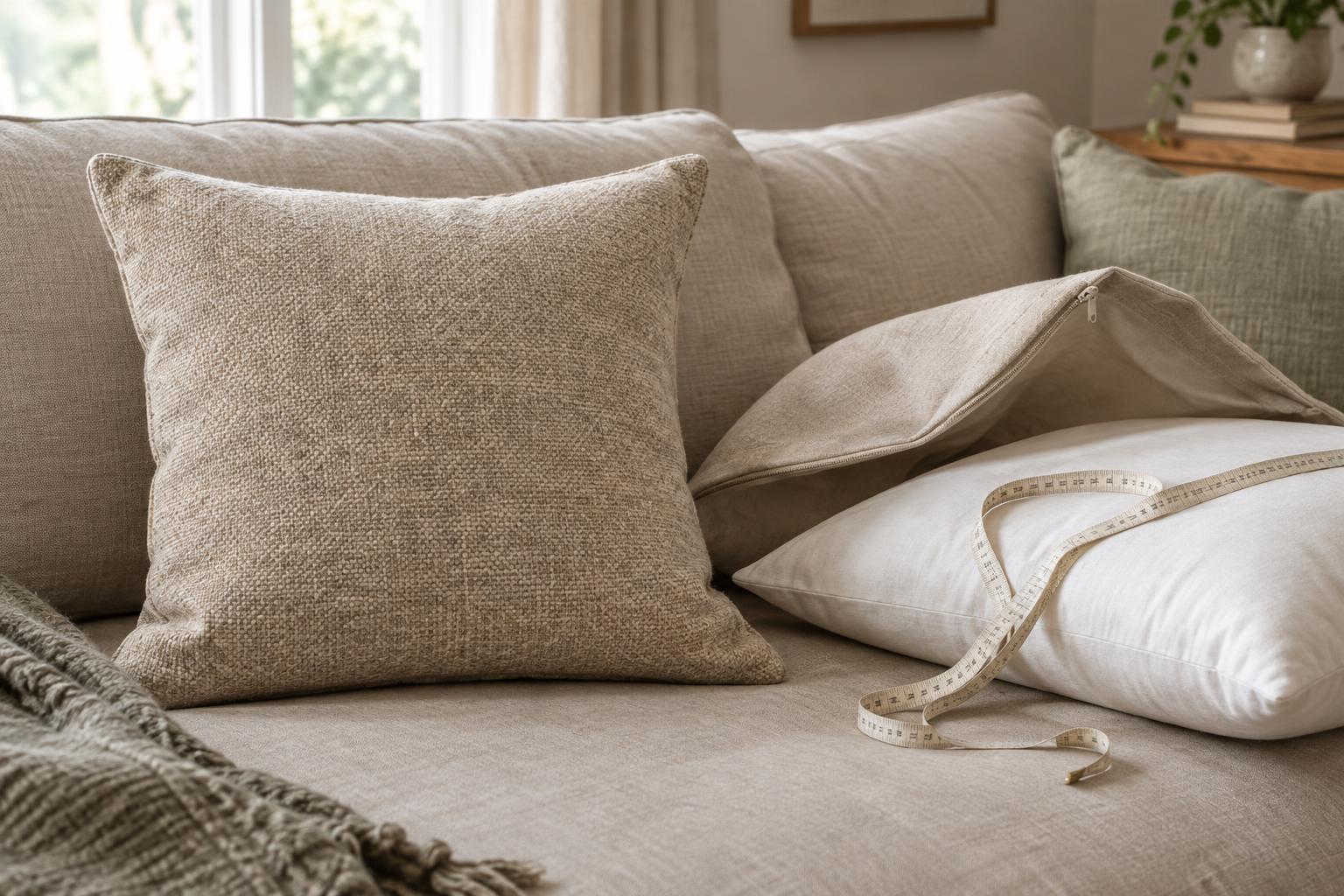
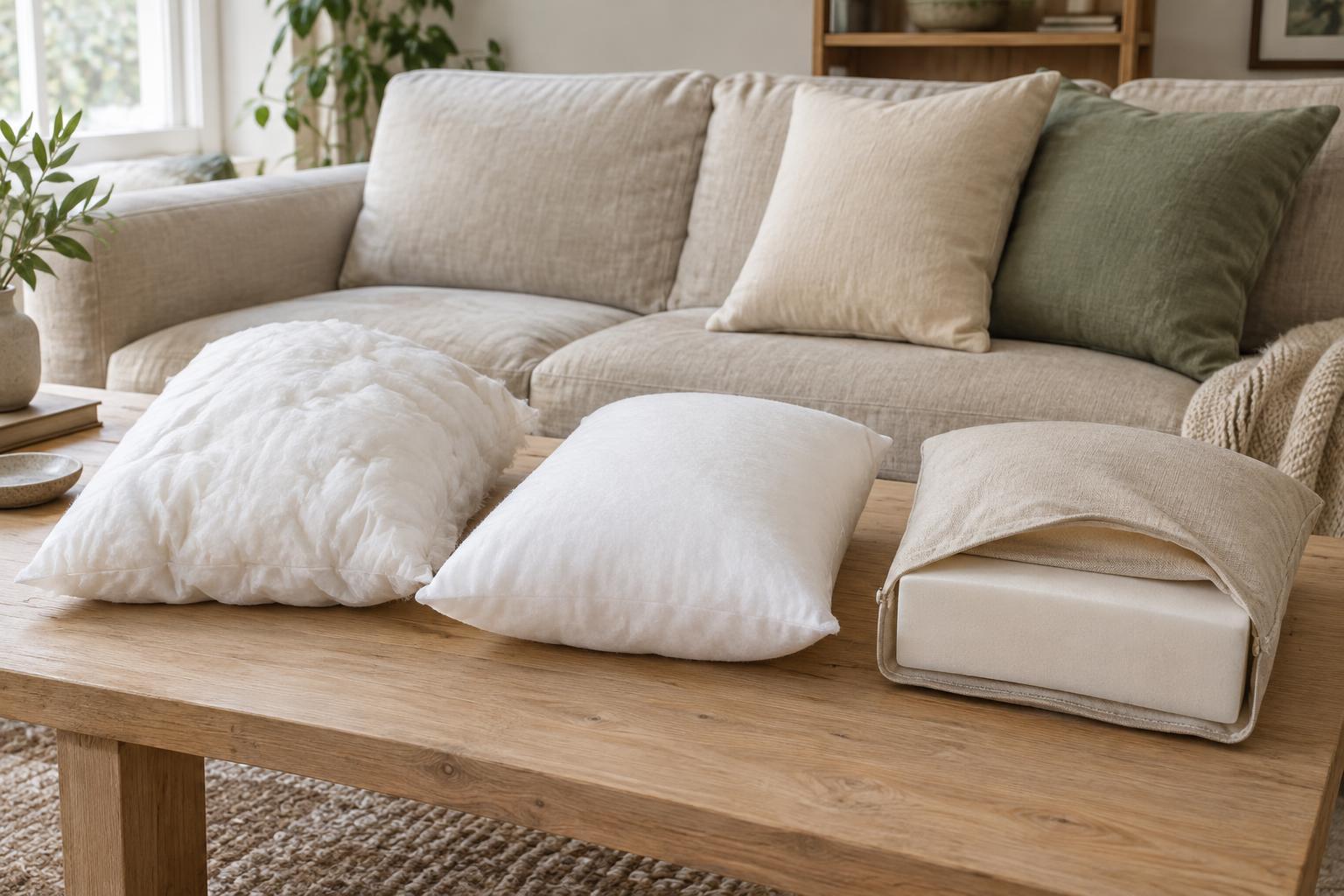
The comparison with furnishings is helpful, but a wearable textile has its own demands. A pronounced texture that is appealing on a cushion may feel bulky under a close-fitting collar. A very fluid cloth may make an elegant loose drape but refuse to hold a structured knot. Look at photographs for scale against the body, then consult listed dimensions and fibre information for the specific piece. Those details matter more than an attractive category name.
Read the material description, not just the category
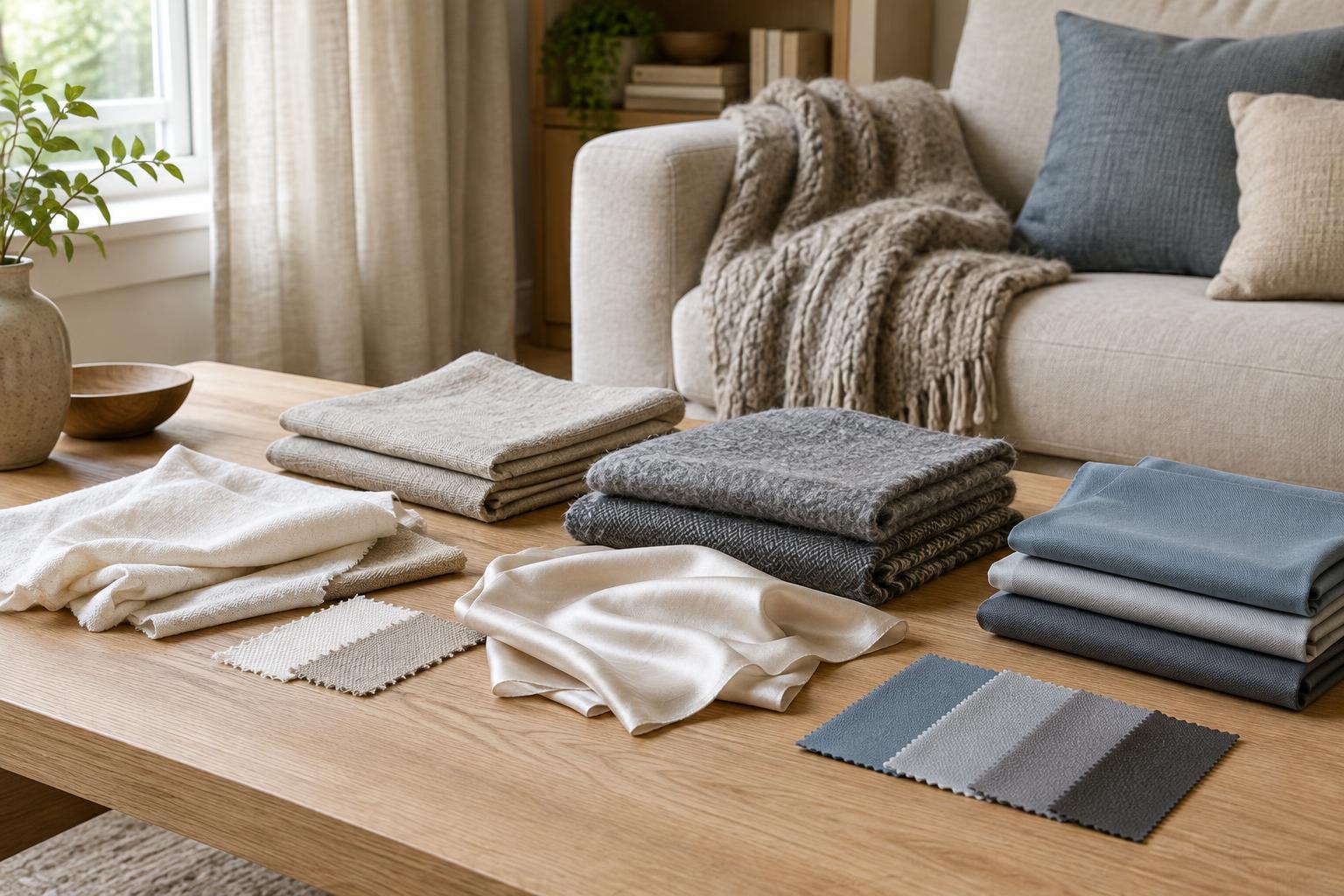
The range includes silk, cashmere and wool categories, but composition varies by product. A category label is therefore a starting point, not a promise that every scarf in it has the same fibre content. Check the individual composition and care information before buying, particularly if you are choosing for someone who avoids certain fibres or needs an easy-care accessory. Size, weave and finishing can also change how two pieces made with similar fibres feel in use.
Silk is worth considering when you want a smooth, light-looking accent or a square that can be folded into a compact shape. Wool categories invite a different question: whether the scarf has the body and coverage you want with an outdoor layer. Cashmere categories may appeal when a softer-looking wrap is the aim, but a fibre name should never stand in for a close look at the particular item. Choose by the listed piece and its intended use, not by a material stereotype.
Let shape and proportion solve a real outfit problem
A square scarf can be folded on the diagonal, tied at the neck or used as a small, deliberate flash of colour. A longer scarf gives you more choices about loose ends and turns; a broad shawl or wrap can cover the shoulders without needing a close knot. None of these shapes is inherently more versatile. Versatility means that the dimensions make sense with your clothes and with the amount of fabric you enjoy handling.
Picture the garment the scarf will meet most often. A high-neck coat may leave little space for a thick fold, while an open neckline can accommodate more volume. A small square might get lost against a generously cut coat but look considered with a simple shirt. For a sleeveless dress, compare the wrap’s width with the coverage you want. If you normally take a bag on one shoulder or move between indoor and outdoor temperatures, consider whether the chosen drape will stay comfortable.
Choose colour by looking at what is already hanging nearby
An accessory does not need to match every garment. It needs enough points of connection to become easy to wear. Pull out two coats, a frequently worn top and a dress or jacket before deciding. A scarf that relates to one existing colour can make those pieces feel intentional together; a contrasting shade can be just as useful when most of the wardrobe is quiet. The test is not whether a colour looks striking on its own, but whether you can name several occasions when you would pick it up.
Black can create a clean outline with patterned clothing, though its effect depends on the fabric and the colours beside it. Red can become a focal point against neutrals; a muted tone can connect several stronger colours without competing with them. Check colours in the light in which the outfit will be worn whenever possible. As with choosing curtain fabric against paint, a small change in surrounding tones can alter what feels warm, cool or particularly bold.
Use pattern as a bridge, not an assignment
A patterned scarf is often easiest to wear when at least one of its colours already appears in a regular outfit. The connection can be subtle: the dark line of a print beside a dark blazer, or a warmer note picked up by a plain knit. The rest of the pattern is then free to bring movement. If most of your clothing is printed, a solid scarf can give the eye somewhere to rest; if you favour plain pieces, a print can provide detail without changing your whole silhouette.
Scale matters too. A small motif may read almost like texture from a distance, while a larger or more contrasting print draws attention towards the face. Consider how the design looks after folding, because only part of a square scarf may show once it is tied. There is no rule that prints must be discreet or that checks and animal-inspired designs suit only certain wardrobes. The useful question is whether you enjoy the visible portion with the clothes you own.
Dress for the occasion without buying for only one evening
A wrap for a wedding or an evening dress should be judged beside the actual outfit. Check whether its length works with the dress’s neckline and sleeves, whether its colour changes the balance of the outfit, and whether you would prefer to carry it or keep it on. A loosely draped shawl can make a different impression from a compact scarf tied near the face. Neither is automatically more formal; the fabric, scale and way it is worn make the difference.
If the event is rare, consider what happens afterward. Could the same wrap sit over a simple top for dinner, or does its size make it useful only with one dress? Conversely, a scarf bought for daily wear need not be excluded from an occasion outfit if its finish and colour work there. This is the same practical thinking that makes a well-chosen soft furnishing last visually: choose something that belongs in the setting, then ask whether it has a life beyond that setting.
Give a scarf with the recipient’s habits in mind
A scarf can be a thoughtful gift because it does not require choosing a fitted garment size, but it still calls for observation. Notice whether the recipient wears small neck scarves, generous shoulder wraps or no accessory close to the neck at all. Look at the colours they repeat, the coats they use and whether they prefer a quiet texture or a visible print. A gift that resembles something they already wear can be more personal than a dramatic colour chosen mainly for its packaging.
When you are uncertain, focus on the decisions you can make responsibly: dimensions, the listed composition and a shade that works with several familiar outfits. Do not assume that a material category settles questions of comfort, care or preference. If you hope to give a silk square or a larger wool-category scarf, think through how the recipient might fold, store and wear that particular shape. The goal is an accessory they can make their own, not a test of whether they adopt the giver’s style.
Make a small wardrobe audit before adding another textile
Lay out the scarves you already own. Which ones do you reach for, and which stay folded away? Sometimes the missing piece is a practical dimension rather than a new colour: a smaller scarf that fits under a coat, or a wrap that covers the shoulders without repeated adjusting. Sometimes nothing is missing, and learning a different fold gives an existing piece another role. Buying less by choosing more precisely is a useful approach to both wardrobes and homes.
If you do find a gap, describe it in one sentence before browsing: “a warm-looking accent for my navy coat,” or “a light square for plain shirts.” That sentence helps you compare pieces on purpose rather than moving from one appealing image to another. It also makes a recommendation easier to evaluate. A collection may contain several promising directions, but the right one is the individual scarf whose measurements, composition, colour and likely use answer your original question.
Care begins with the individual label
There is no single cleaning method for every scarf, including scarves grouped under the same material name. Read the care instructions attached to the specific item before washing or pressing it. In general, address a fresh mark gently rather than rubbing at it, and avoid testing a cleaning product on the most visible part of a delicate textile. If the care information calls for specialist cleaning, treat that as a reason to pause rather than improvise.
Storage deserves similar attention. Let a scarf dry fully after wear before putting it away, and avoid leaving a tight knot in place for long periods if it creates persistent creases. Fold or hang it in a way that suits its weight and construction, keeping it clear of rough closures that could catch the cloth. These are principles of careful handling, not a substitute for product-specific directions. A little attention makes it easier to judge the scarf by how you enjoy wearing it, rather than by how troublesome it is to maintain.
A guide to regional language destinations
The brand has 20 regional domains, 21 regional-language versions and 16 distinct languages. Those figures differ because countries may share a language, while the United Arab Emirates has an Arabic root destination and an English /en destination on the same domain. Each entry below identifies the destination language before its link. Where a link uses a local search phrase, the English explanation tells you what kind of collection or destination it points towards; check the individual items there for their details.
Poland — Polish
The destination language is Polish. For a starting view of the Polish storefront, use the brand link — UniqueYou. If you are dressing for an evening event, the local phrase for an elegant shawl with an evening gown points to the relevant collection — elegancki szal do sukni wieczorowej UniqueYou. For a smaller accessory rather than a shoulder wrap, the brand link to silk square scarves offers another direction — UniqueYou. Compare the individual dimensions before deciding which shape suits the outfit.
Germany — German
The destination language is German. The brand link opens the German storefront — UniqueYou. If your wardrobe calls for a compact accent near the neckline, the local phrase for a women’s silk neck scarf leads to that collection — halstuch damen seide UniqueYou. Think about the collar you wear most often: a scarf folded closely against a shirt behaves differently from a broad wrap over a coat.
Czechia — Czech
The destination language is Czech. Begin at the Czech storefront through the brand link — UniqueYou. The local phrase for a women’s black scarf leads towards black options — dámská černá šála UniqueYou, a useful comparison if you wear patterned coats or bright knits. The separate brand link to the wider scarf collection — UniqueYou lets you compare other colours and shapes rather than assuming that black is the only practical choice.
Spain — Spanish
The destination language is Spanish. The brand link leads to the Spanish storefront — UniqueYou. For a bolder pattern, the local phrase for a leopard-print scarf points to its collection — pañuelo leopardo UniqueYou; consider how much of the print remains visible after you tie it. The brand link to scarves for dresses and weddings — UniqueYou is a different starting point when shoulder coverage, rather than a printed accent, is the priority.
France — French
The destination language is French. Use the brand link for the French storefront — UniqueYou. The local phrase for a cashmere stole leads to a stole collection — étole en cachemire UniqueYou, where size is worth checking if you want fabric to drape over both shoulders. A separate brand link leads to cashmere shawls — UniqueYou. Compare the listed pieces rather than assuming the two collection names describe identical proportions or compositions.
Hungary — Hungarian
The destination language is Hungarian. The brand link opens the Hungarian storefront — UniqueYou. If a folded accent would work with your shirts, the local phrase for silk scarves points to that category — kendők selyemből UniqueYou. The brand link to red scarves — UniqueYou offers a colour-led route instead. One route starts with material and the other with colour; use the individual product details to see where those preferences meet.
Italy — Italian
The destination language is Italian. The brand link takes you to the Italian storefront — UniqueYou. The local phrase for a women’s cashmere shawl points to its collection — scialle in cashmere donna UniqueYou, a useful starting place if you want a broad layer. The brand link to stoles — UniqueYou offers another way to consider shoulder drapes. Check measurements against the dress or jacket you intend to wear, not just the way a piece looks laid flat.
Romania — Romanian
The destination language is Romanian. Open the Romanian storefront with the brand link — UniqueYou. The local phrase for women’s scarves leads to the scarf collection — fulare femei UniqueYou, while the separate brand link to another scarf category — UniqueYou gives you a second shape-led place to browse. If you are replacing a scarf you already wear, measure the old one first; its familiar length can help you judge unfamiliar photographs.
Slovakia — Slovak
The destination language is Slovak. The brand link opens the Slovak storefront — UniqueYou. The local phrase for a women’s cashmere shawl leads towards that collection — kašmírový šál dámský UniqueYou. If you are choosing it for a coat, consider the space beneath the collar as well as the width you might enjoy across your shoulders; the same generous piece can feel quite different in those two arrangements.
Finland — Finnish
The destination language is Finnish. Use the brand link for the Finnish storefront — UniqueYou. The local phrase for a silk scarf leads to the silk scarf collection — huivi silkki UniqueYou. A smooth-looking scarf can bring detail to a plain top without the bulk of a large wrap, but check the dimensions before planning a particular knot or fold. The available area of cloth determines how many styling options feel comfortable.
Sweden — Swedish
The destination language is Swedish. The brand link opens the Swedish storefront — UniqueYou. The local phrase for small shawls points to a shawl collection — små sjalar UniqueYou; check the listed sizes to see which pieces actually meet your idea of small. For a pattern-led alternative, the brand link to checked scarves — UniqueYou offers another direction. A check can connect several wardrobe colours without requiring an exact match to any one garment.
Denmark — Danish
The destination language is Danish. The brand link takes you to the Danish storefront — UniqueYou. The local phrase for black scarves leads to that colour collection — sorte halstørklæder UniqueYou. Black may be especially useful if your everyday coats already carry strong colour or pattern, but it is still worth considering texture and scale. A narrow dark accent and a wide dark wrap create quite different outlines.
Belgium — Dutch
The destination language here is Dutch. The brand link opens the Belgian storefront — UniqueYou. The local phrase for a wool scarf points towards the wool scarf collection — sjaal wol UniqueYou. Before selecting a piece for colder-day outfits, compare its stated composition and size with the coat you actually wear. A scarf that looks substantial on its own may need a different fold beneath a close collar.
Austria — German
The destination language is German, as it is for the German destination, but this is the Austrian storefront. Open it through the brand link — UniqueYou. The local phrase for a stole with a wedding dress leads to the occasion-focused collection — stola zum brautkleid UniqueYou. Decide whether you want the fabric mainly for coverage during the event or as a visible part of the outfit throughout; that choice changes the size and drape to look for.
Netherlands — Dutch
The destination language is Dutch. The brand link opens the Netherlands storefront — UniqueYou. The local phrase for a large wrap points to the wrap collection — grote omslagdoek UniqueYou, a place to start if coverage matters more than a small neck accent. A separate brand link to silk scarves — UniqueYou offers a contrasting, potentially more compact direction. Check each item’s measurements before treating those descriptions as fixed sizes.
United States — English
The destination language is English. The brand link opens the United States storefront — UniqueYou. The local phrase for a women’s red scarf points to a red scarf collection — women's red scarf UniqueYou. Red can enliven a neutral jacket, but it need not be saved for a special occasion. Hold the idea against your everyday tops and coats first, then compare the listed pieces for the shade, size and composition you would use most.
United Arab Emirates — Arabic
The destination language is Arabic. The brand link opens the United Arab Emirates root destination — UniqueYou. This is the Arabic version, rather than the English /en version on the same regional domain. If you are comparing a scarf with an existing outfit, use the individual item’s dimensions and composition as your guide; a destination language alone cannot tell you whether a particular drape will work.
United Arab Emirates — English
The destination language is English. The local phrase for a cashmere scarf shop leads to the United Arab Emirates English /en destination — cashmere scarf shop UniqueYou. It is a language entry point, not a reason to assume that every item has the same composition. If cashmere is what interests you, read the details of the individual scarf or wrap before deciding whether its size and material suit your plans.
Ireland — English
The destination language is English. The brand link opens the Irish storefront — UniqueYou. The local phrase for cashmere shawls leads to that collection — cashmere shawls UniqueYou. A shawl may be appealing over a dress or an open-necked layer, but look beyond the category name: the listed width, length and composition will tell you more about how a particular piece might sit on your shoulders.
United Kingdom — English
The destination language is English. Use the brand link for the United Kingdom storefront — UniqueYou. The local phrase for women’s silk scarves in the United Kingdom leads to the silk scarf collection — ladies silk scarves uk UniqueYou. If you intend to tie one at the neck, compare its dimensions with a scarf you already find comfortable. A photograph can suggest a styling idea, but measurements help establish whether you can repeat it.
Portugal — Portuguese
The destination language is Portuguese. The brand link opens the Portuguese storefront — UniqueYou. The local phrase for elegant scarves points to a scarf collection — echarpes elegantes UniqueYou, a broad place to consider colour and drape. The brand link to red scarves — UniqueYou offers a more focused colour route. Think about whether the scarf should blend with your usual layers or supply the one strong accent you will notice each time you wear it.
The best recommendation is the scarf you can picture wearing with something already yours. Begin with that outfit, check the details of the individual piece, and let colour, shape and fabric earn their place together.