What pile height changes
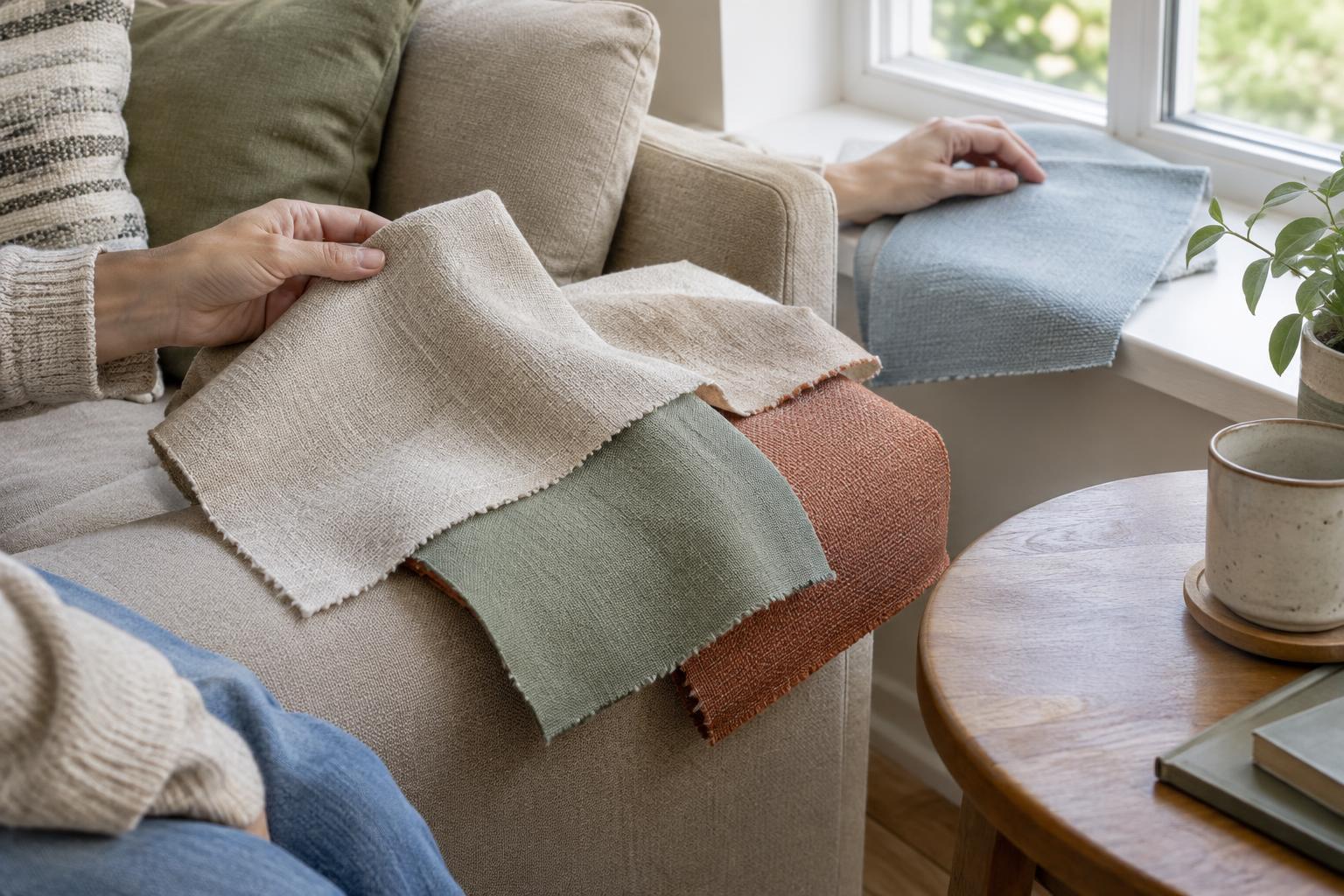
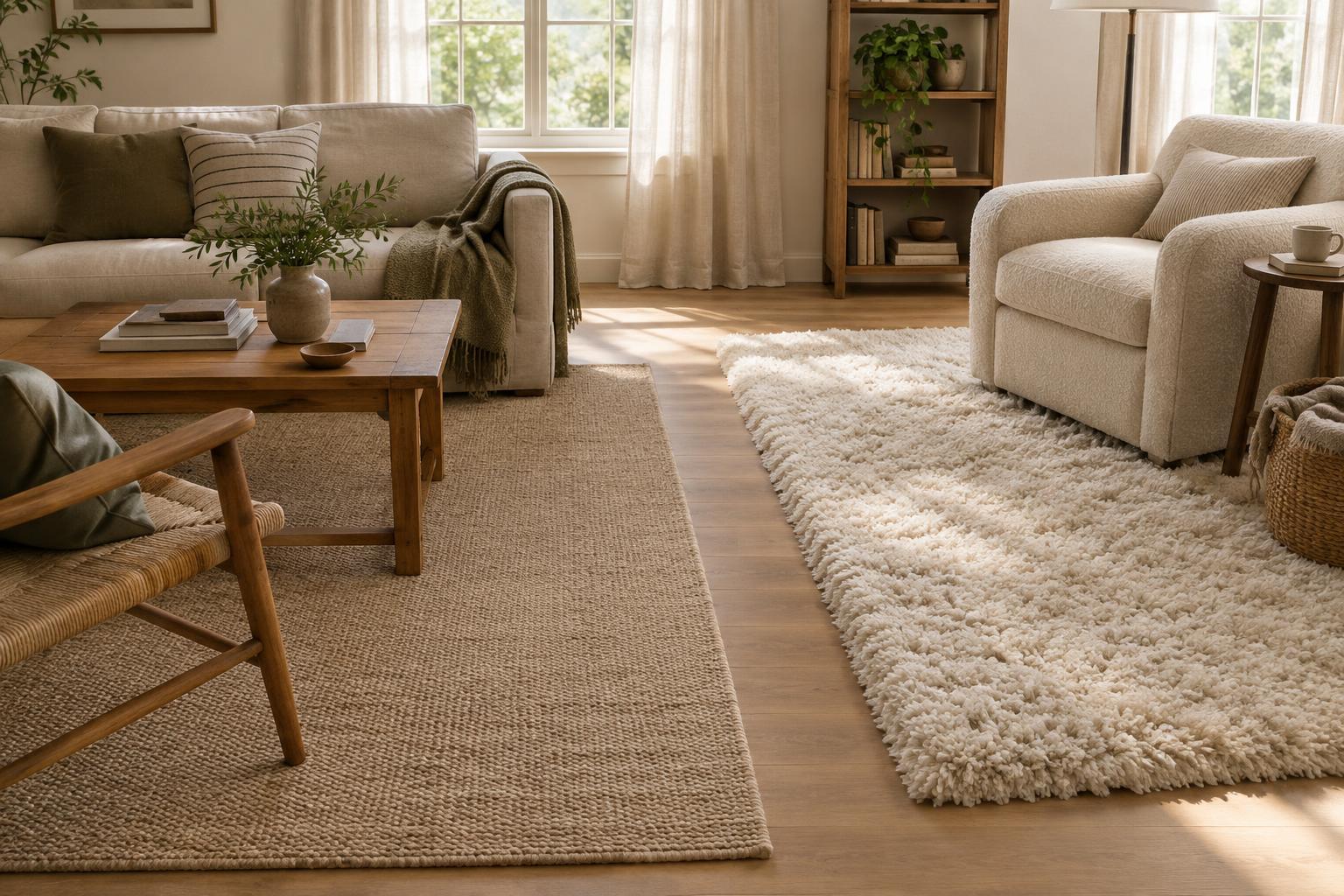
Pile is the yarn that rises from a rug’s backing. A low-pile rug has a short, relatively flat surface; a high-pile rug has longer yarns that create more depth and softness. Labels vary between makers, so it is more useful to look at the rug and feel a sample than to rely on a category name alone. Flatweaves have little or no raised pile and are another practical option to consider.
Pile height changes more than appearance. Short yarns are less likely to catch chair legs or hide crumbs, while longer yarns can make a floor feel softer under bare feet. Fiber, construction and density matter too. A closely packed high pile may behave differently from a loose, shaggy one, and a well-made low-pile rug can feel substantial rather than thin.
Choose low pile where life stays busy
Low-pile rugs suit dining areas, hallways, entryways and spaces where chairs or wheeled furniture move regularly. Dining chairs are generally easier to pull across a flatter surface, and dropped crumbs are easier to spot. In an entryway, a short pile is also less likely to interfere with a door, though you should measure the clearance before buying. No rug will stay pleasant for long if it routinely traps moisture or grit.
A low-pile rug can work well in a living room, especially when a coffee table and several seats rest on it. Furniture tends to sit more steadily, and the rug is simpler to vacuum around. It is also worth considering in homes where small toys, craft materials or pet hair frequently end up on the floor. Low pile does not mean maintenance-free: dirt can still settle between yarns and along edges.
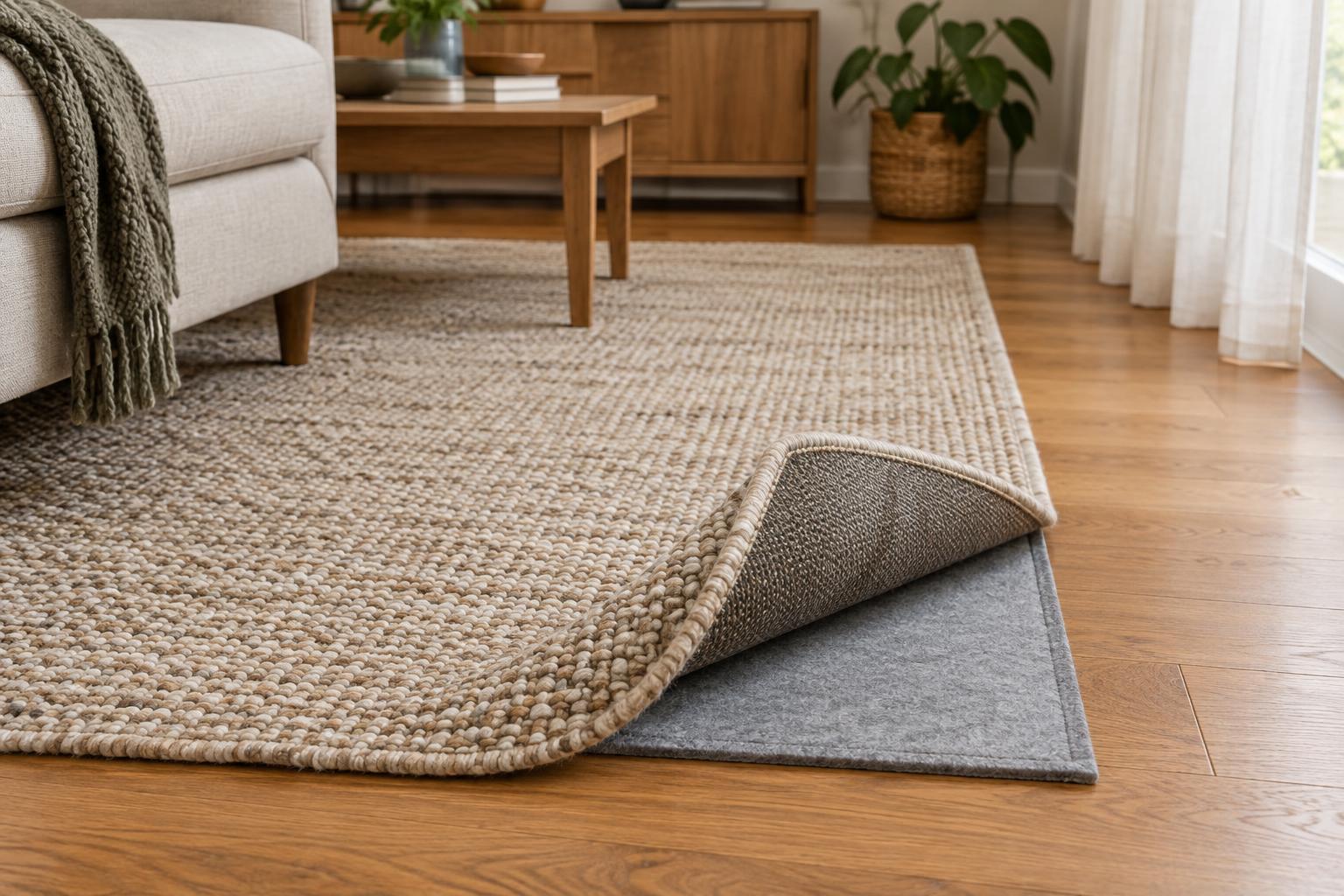
If you want warmth without a deep surface, look for texture in the weave or pattern. A rug pad appropriate for the floor and rug can add some cushioning and help limit movement without making the rug itself harder to clean.
Use high pile for comfort and quieter corners
High-pile rugs are often most satisfying where people spend time sitting or standing without moving furniture across the surface. Beside a bed, in a reading corner or in a low-traffic seating area, a deeper pile offers a noticeably plush feel. It can also bring visual softness to a room with many hard surfaces.
Plan the furniture arrangement before choosing one. Chair legs can sink unevenly into long yarns, and chairs that need to slide may drag or bunch the rug. A high-pile rug may work better alongside a bed than under a rolling desk chair. In a seating area, placing it where feet land—rather than where furniture moves—can preserve both comfort and function.
Longer pile usually asks for more attentive care. Dust and small objects may disappear into it, and some designs are harder to vacuum thoroughly. Check the maker’s care guidance, particularly before using a vacuum with a rotating brush, which may pull at long or loose yarns.
Match the rug to the room, not just the look
Before settling on a pile height, picture a normal week in the room. Where do shoes come off? Where are drinks carried? Does a door swing across the rug’s edge? Are chairs pulled out every day? A low pile often makes these routines easier. High pile is a stronger choice when softness is the priority and the rug has room to stay undisturbed.
Think about the people and animals who use the space as well. An uneven, very soft surface may be less comfortable for someone who needs firm footing. Rug edges and shifting are important regardless of pile height; choose an appropriate pad if needed and keep corners lying flat. If a pet tends to scratch or shed heavily, consider how easily you can inspect and clean the particular rug.
Color and fiber also affect how practical a rug feels. A pale rug may show marks quickly in a busy walkway, while a dense pattern can make everyday lint less noticeable. Check the care label before purchase so you know whether the rug can be cleaned in a way that suits your household.
Care for either choice from the start
Regular light cleaning is easier than waiting for dirt to build up. Vacuum according to the rug’s instructions, adjusting suction or brush settings where recommended. Rotate the rug periodically if its layout allows, so wear and light exposure are spread more evenly. Lift the rug occasionally to check for grit beneath it and to make sure the pad remains in good condition.
For a spill, blot promptly rather than rubbing it deeper into the yarns. Test any cleaning product in an inconspicuous spot and follow the rug maker’s guidance, since dyes, fibers and backings can respond differently to moisture. Whether you choose low pile for easy movement or high pile for softness, a rug that fits the room’s habits will be simpler to live with—and more enjoyable to use.