What sits beneath the cushions?
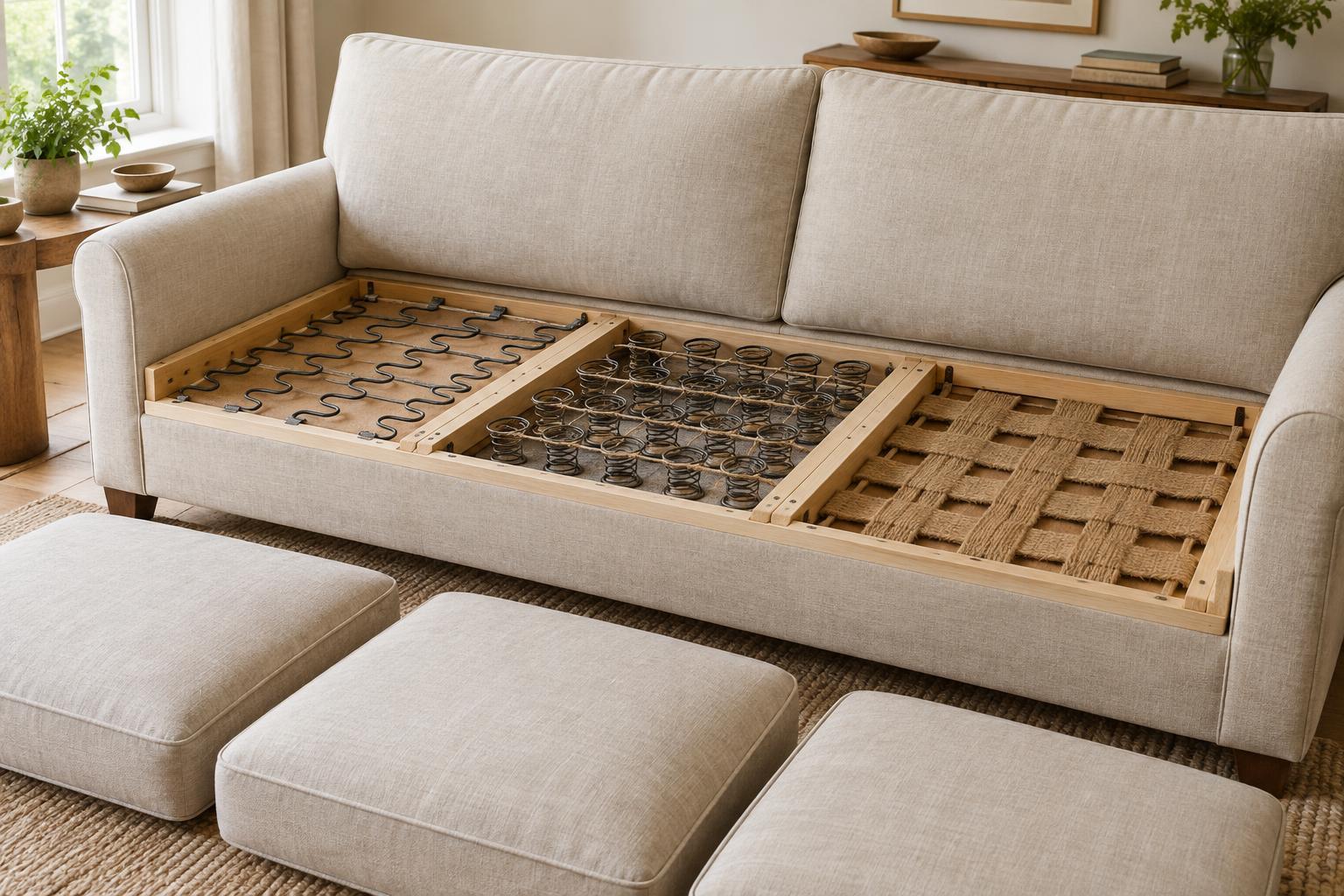
Sofa cushions get much of the attention, but the structure beneath them shapes how the seat feels and holds up. The frame carries the load, while a support system spans the open area below the cushions. That system might use sinuous springs, coil springs or webbing. Each can make a comfortable sofa when the materials, spacing and attachment suit the design.
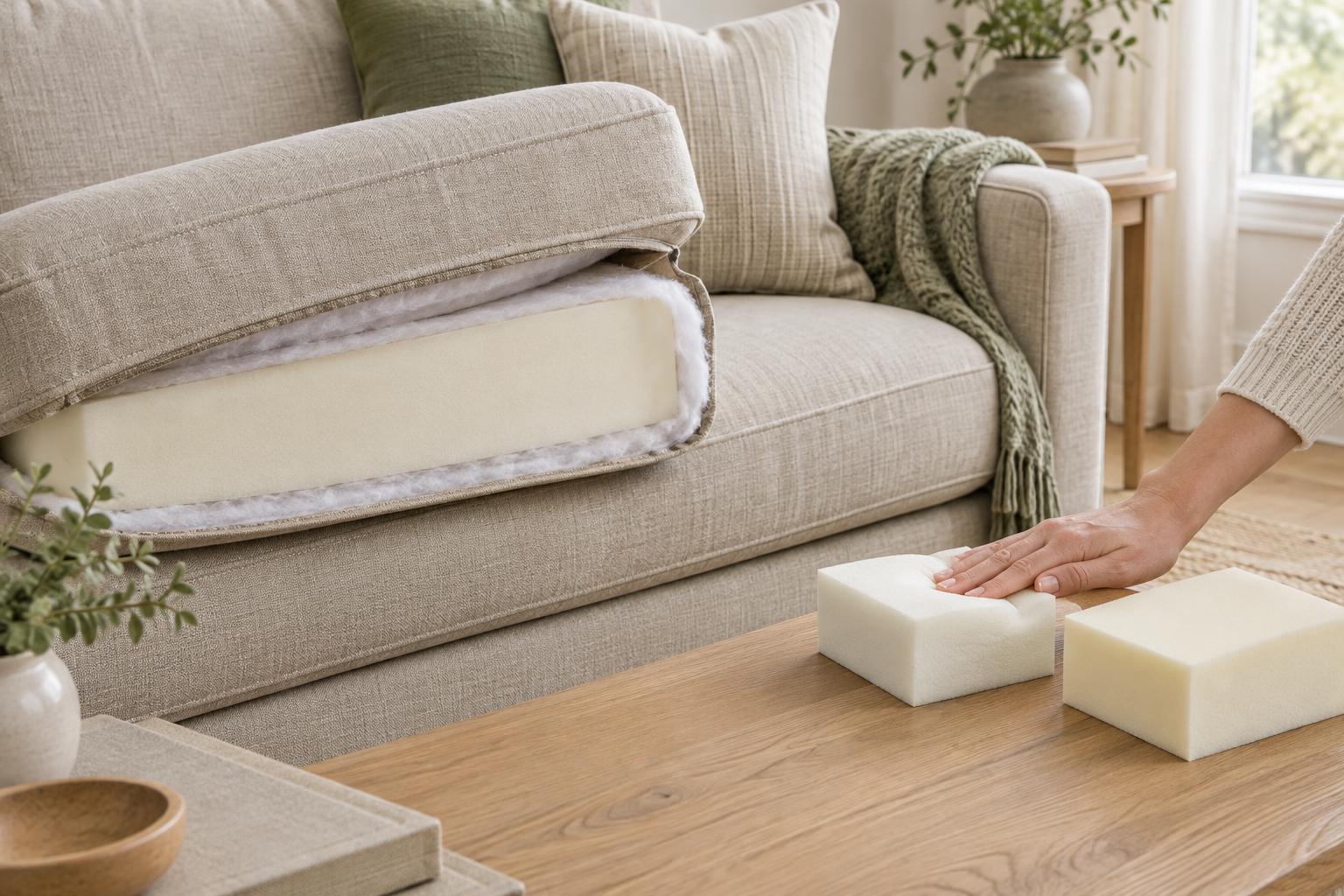
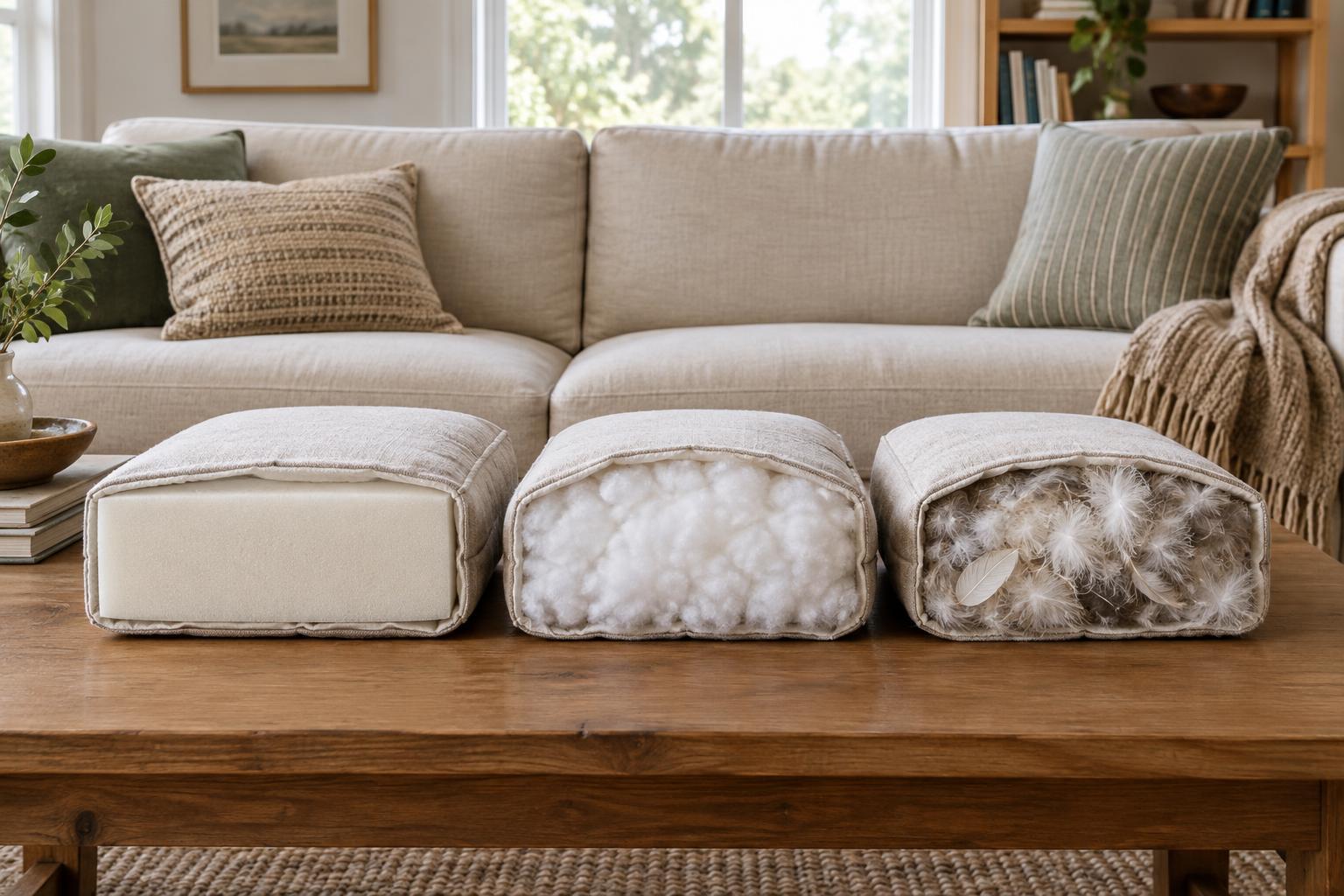
Support is only one part of the picture. A firm cushion can make a flexible base feel more stable; a soft cushion can disguise the base during a quick sit. Cushion filling also changes with use. When comparing sofas, consider the whole seat rather than treating one type of spring as a guarantee of quality.
Sinuous springs: a continuous, flexible seat
Sinuous springs are zigzag lengths of metal that run across the seat and attach to opposite sides of the frame. They are common in sofas because they fit relatively shallow frames and provide an even, gently yielding platform. The feel varies with the spring wire, the distance between springs and any ties or padding placed over them.
Look beyond the label. Closely and evenly placed springs generally offer more continuous support than widely spaced ones, while secure clips and a sound frame help keep everything in position. A seat that dips sharply in one spot, makes a new metallic noise or feels uneven without its cushions may have a loose or damaged component. It is worth checking the cushions too: compressed filling can create a similar impression of sagging.
Coil springs: support built from individual units
Coil springs stand upright inside a sofa’s seat structure. In some traditional upholstery, individual coils are tied to one another and to the frame, then covered with layers that smooth the surface. Other constructions may use connected spring units. These arrangements can give the seat a buoyant, responsive feel, although the result depends on how the springs are secured and what lies above them.
Coil construction can be more involved to make or repair than a simple webbed base. That does not mean every coil-spring sofa will outlast every other sofa. A loose tie, worn covering or weak frame can affect performance, just as poor-quality parts can in any system. If you are evaluating an older sofa, sit in several positions and notice whether the seat returns to an even shape after you stand.
Webbing: a woven foundation
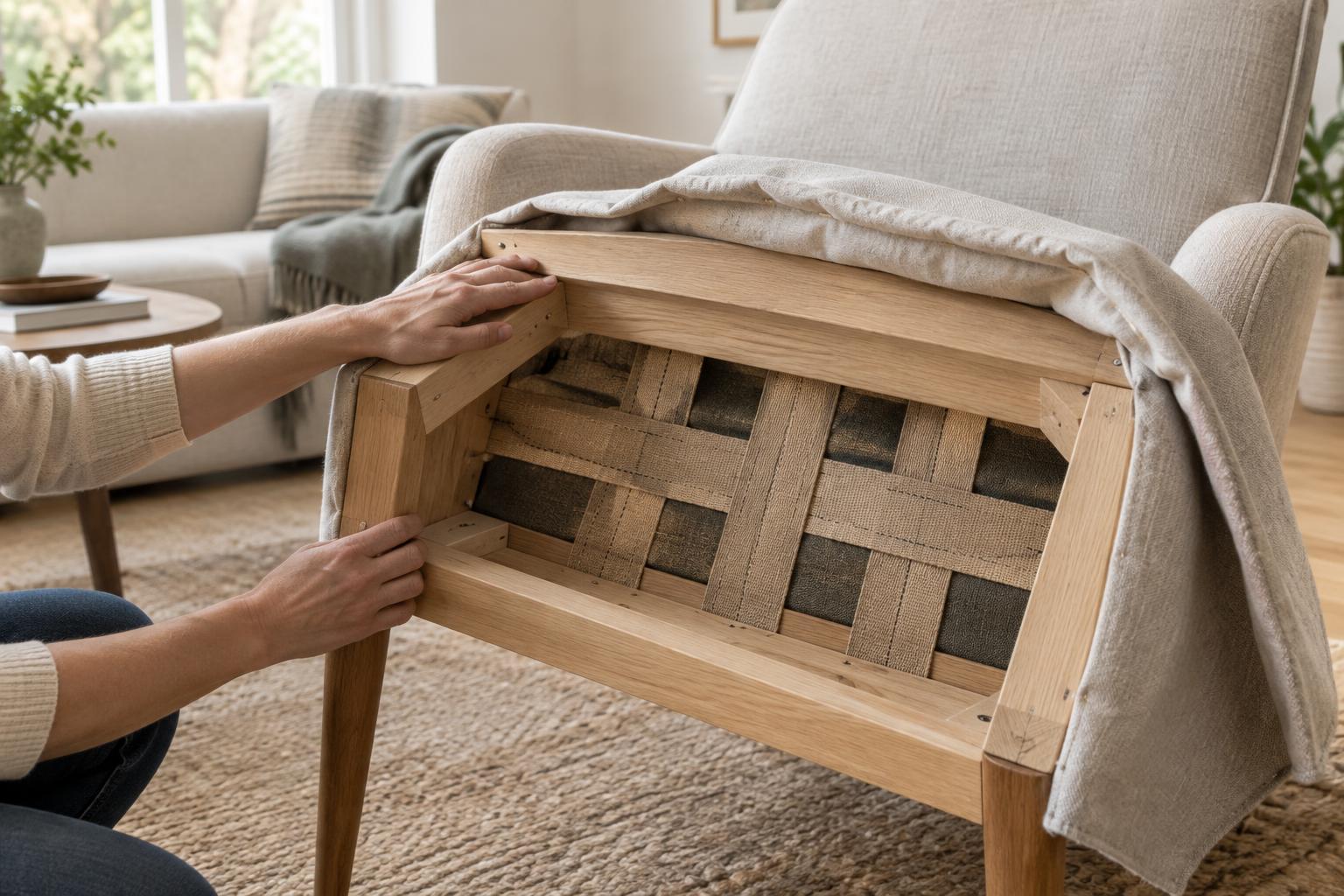
Webbing consists of straps stretched across the frame, often in an interlaced pattern. It may serve as the main seat support or form part of a layered upholstery construction. Different strap materials have different amounts of give. A tightly fitted webbed seat can feel steady, while a more elastic arrangement may feel softer and springier.
Tension and attachment matter as much as the choice of strap. Webbing that is too loose, unevenly stretched or poorly fastened can leave a hollow in the seat. Over time, straps may also stretch or wear. On a sofa where the underside is accessible, a visible gap, detached end or frayed strap may help explain a sagging area. Avoid pulling at the straps to test them; a visual inspection and a gentle sit are safer starting points.
Choosing and caring for the support you have
There is no single best system for every sofa. If you prefer a supportive seat, compare how each sofa feels after sitting for several minutes, not just on first contact. Sit near the middle and toward the ends, and check whether the surface feels level and recovers when you stand. Consider the seat depth and cushion filling as well: both can have a greater effect on everyday comfort than the support label alone.
For an existing sofa, start with simple checks before assuming the springs or webbing need replacing. Swap removable seat cushions between positions and see whether the dip moves with a cushion. Look for a frame that rocks or joints that seem loose. If the problem stays in one area of the base, an upholsterer can help identify whether a clip, spring, tie or strap needs attention. Repairs involving high-tension parts call for suitable tools and care.
Regularly rotating reversible cushions, when the design allows it, can help distribute wear. Keep the sofa within its intended use and address a new uneven spot before it places extra strain on neighboring parts. A good support system should work quietly in the background, giving the cushions a reliable foundation for a comfortable room.