Start with the room, not the furniture
Before inspecting a secondhand sofa or chair, decide where it would go and how it would be used. Measure the available floor space, the route through doorways and the height or width limits imposed by nearby furniture. A piece that fits the room but cannot pass through a hallway is not a practical find. Think about whether it needs to withstand daily use or serve as occasional seating; that distinction will help you judge wear and decide how much upkeep you are willing to take on.
Look at the piece from several angles before sitting down. Does it stand level? Are the arms similar in height, and does the back appear straight? A deliberately informal design may have uneven-looking cushions, but a leaning frame or visibly twisted base deserves closer attention. Take clear photos and measurements if you need time to compare the piece with your space.
Check the frame and seat support
Sit in each seat position rather than testing only the middle. Notice whether the seat feels consistently supported, whether one side drops lower, and whether you can feel hard edges beneath the padding. Stand up and see how the cushions recover. Some compression is normal in a used piece; a pronounced hollow or a seat that bottoms out may mean the filling, support or both need work.
With permission, gently hold the arms and back and check for movement relative to the seat. Rocking, grinding noises or joints that visibly shift can point to a structural problem. Lift one end slightly if it is safe to do so and look underneath for loose legs, broken supports or signs of a previous repair. You may not be able to identify every internal component, but you can distinguish a stable piece from one that feels unreliable. Treat structural repairs as a separate project rather than assuming new fabric will solve them.
Inspect the cover, seams and cushions
Examine areas that receive the most contact: the front edge of the seat, arm tops, cushion corners and the back where it meets the seat. Look for thinning fabric, pulled threads, holes, fading and seams that have opened under tension. Run your hand lightly over the surface to check for rough patches or worn pile. Patterns and textured weaves can disguise wear in photos, so inspect them in good light when possible.
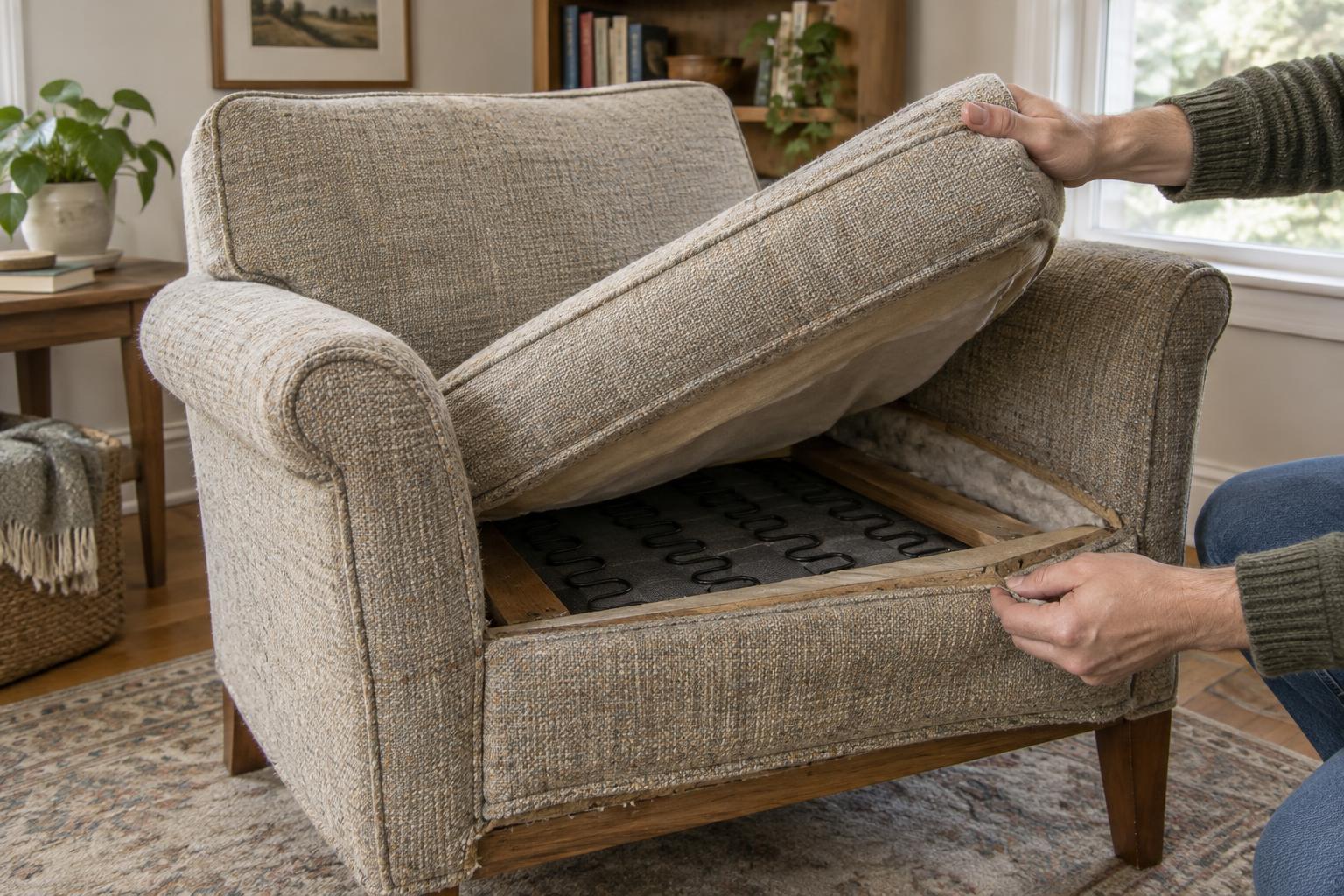
If cushions are removable, lift them and check both sides, the platform beneath and the edges of any zippers. A washable-looking cover is not necessarily machine washable; its fabric, lining and construction all matter. Unless care information is available, plan conservatively. Also check whether the cushions seem to belong to the piece and fit without large gaps or persistent bulges. Replacing a cushion cover is a different undertaking from rebuilding a misshapen cushion.
Look for concerns that a quick sit test misses
Check along seams, beneath cushions and under the furniture for debris, staining or signs of pests. If you are uncertain about what you see, pause rather than bringing the piece home and hoping a surface clean will resolve it. Notice persistent odors as well. Some smells may lessen with airing and appropriate cleaning, while others can remain in padding or the frame. Fragrance can temporarily mask an odor without removing its cause.
Ask what is known about the furniture’s history, but base your decision on what you can inspect. Be especially cautious if the underside is inaccessible, the piece is damp, or extensive staining appears on both the cover and underlying material. These observations do not tell you exactly what happened, yet they can indicate that a simple refresh may not be enough.
Make a refresh plan before deciding
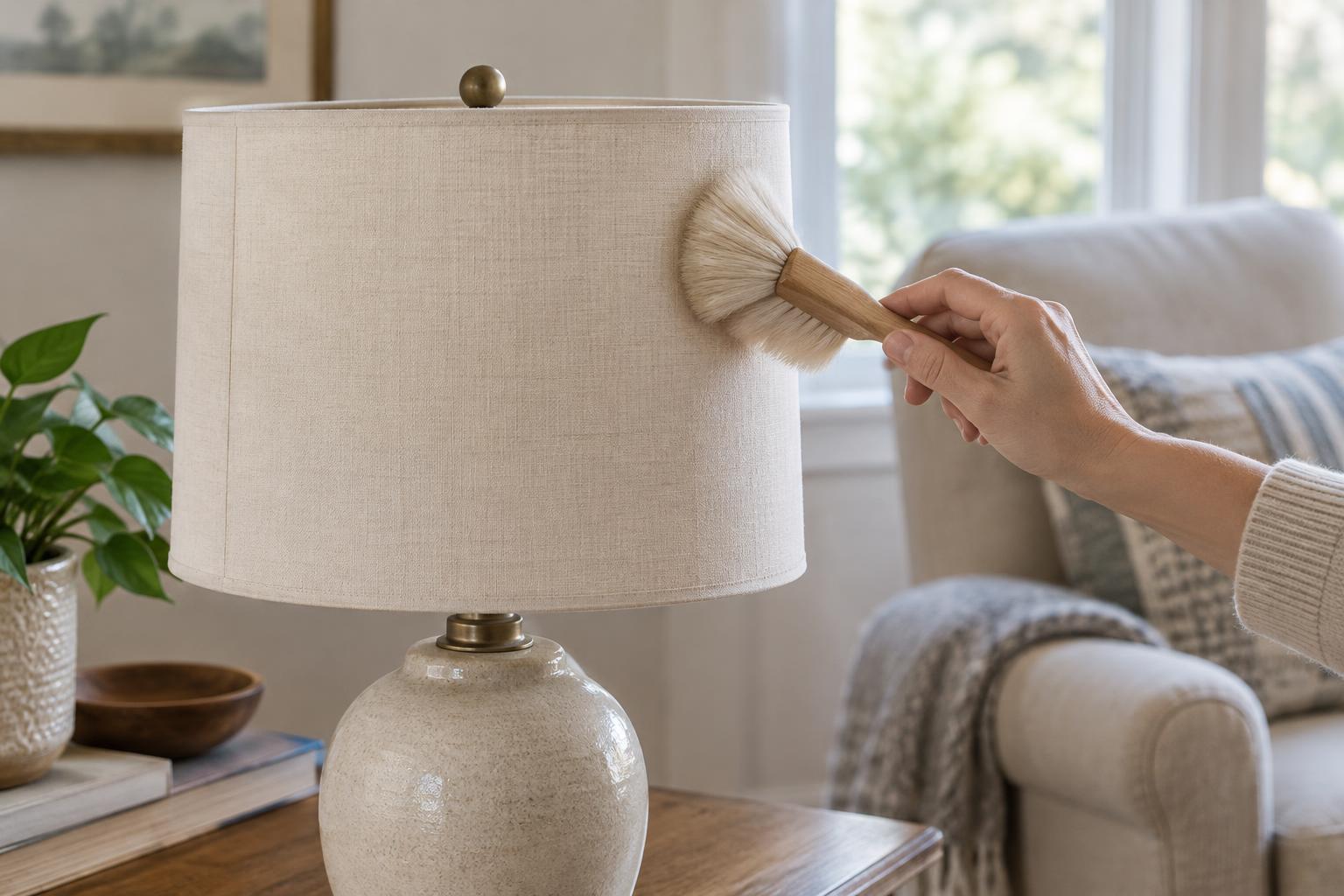
Sort your observations into three groups: acceptable wear, manageable cosmetic work and problems that need more investigation. Light surface dust may call for careful vacuuming; a loose seam may be a modest repair if the surrounding fabric is sound. Deeply worn upholstery, sagging support or widespread odors call for a more substantial plan. Consider the time, materials and space needed for that plan alongside the piece’s size, comfort and usefulness in your room.
A short checklist can keep the decision grounded: record measurements, frame stability, seat feel, fabric condition, odor and any parts you could not inspect. If you enjoy building a digital version of that checklist, browse Debugging · Hello World Workshop for a separate debugging topic, Programming Basics · Hello World Workshop for programming basics, and Developer Tools · Hello World Workshop for developer tools. Those are optional digital-project detours; a note on paper works just as well for assessing furniture.