Start with the fabric, not the stain
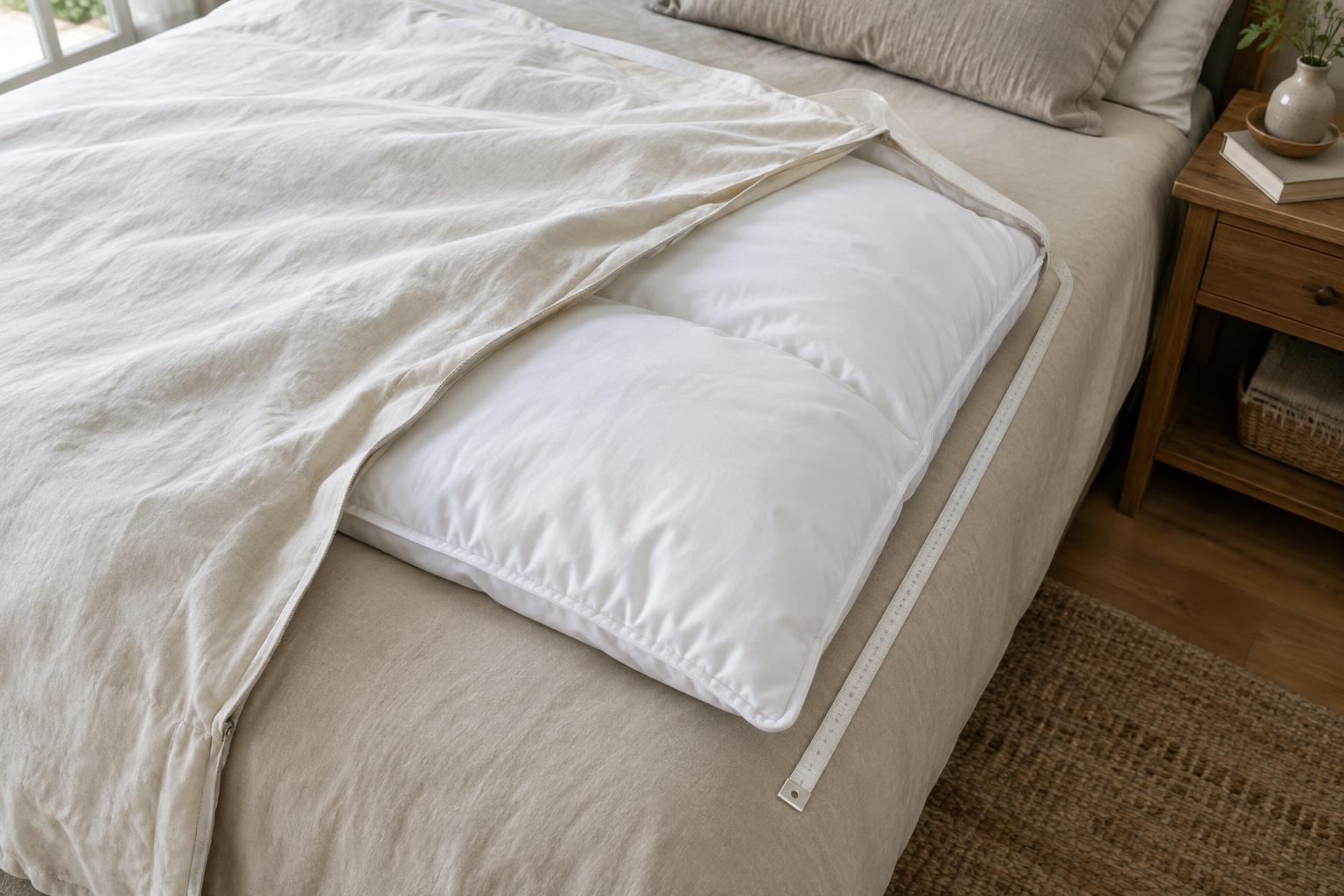
Before reaching for a stain remover, check the textile’s care label. “Washable” does not mean every fabric can tolerate hot water, vigorous rubbing or bleach. A cotton napkin, a printed cushion cover and a delicate blouse may need different handling. If the item has a removable cover, check the cover’s label rather than assuming it can be washed because the inner cushion can be cleaned.
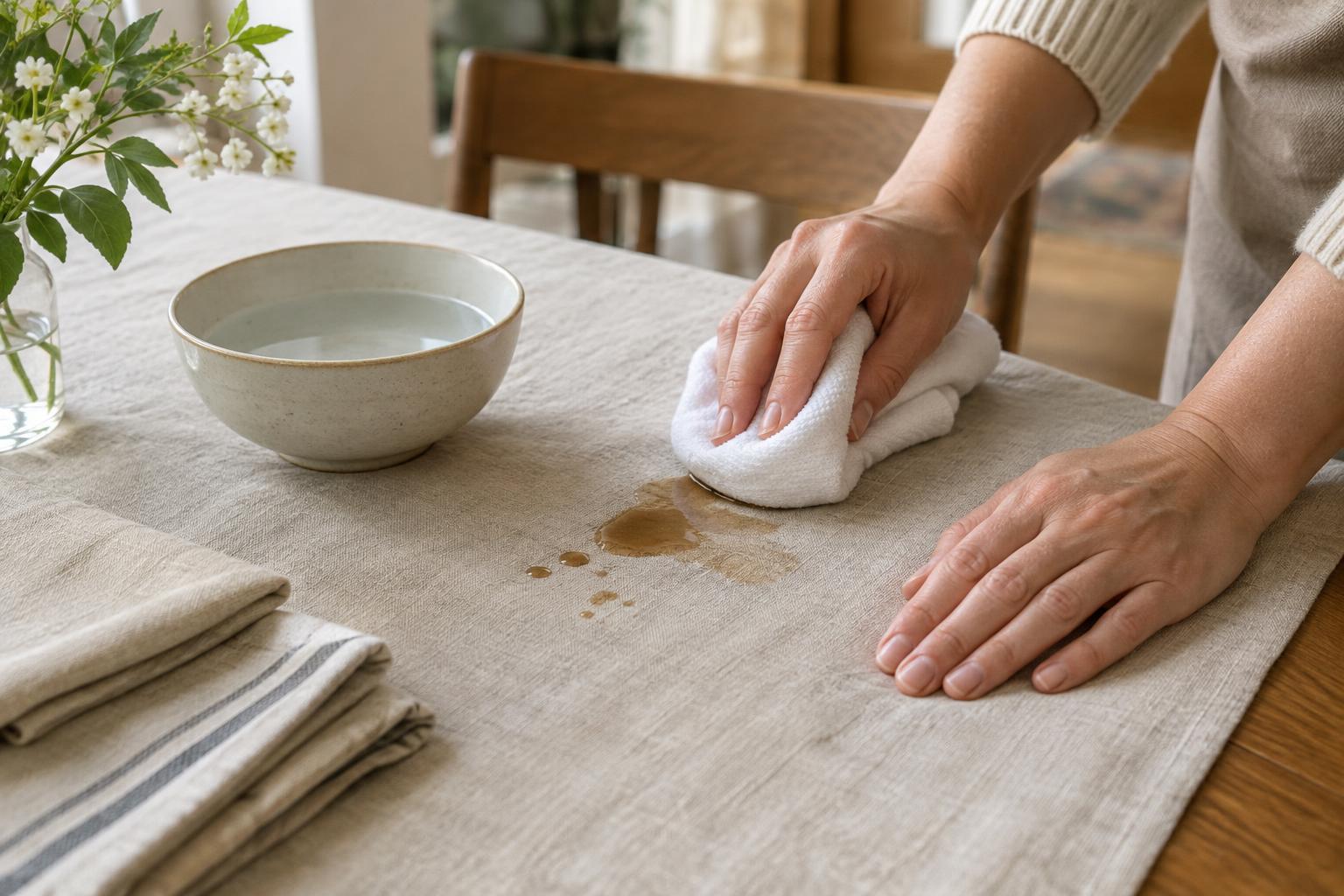
Act while the spill is fresh if you can. Lift solid food away with a spoon or dull edge, working from the outside toward the center so you do not spread it. Blot liquids with a clean, absorbent cloth; pressing is usually kinder to the fibers than scrubbing. If you plan to use a product you have not tried on that textile, test it first on a hidden seam or corner and let the test spot dry.
Use a simple treatment sequence
For many washable textiles, a good first step is to rinse the stain from the back with cool running water. This pushes some of the spill out the way it entered instead of driving it deeper into the cloth. Keep the water flow gentle on loosely woven or delicate fabrics. If rinsing is not practical, blot with a cloth lightly dampened with cool water.
Next, work a small amount of liquid laundry detergent into the marked area with your fingertips or a soft cloth. Let it sit briefly, following the product directions, then wash the item according to its care label. Choose a detergent and any additional stain treatment that are suitable for the fabric and its color. Do not combine cleaning products unless their labels specifically say to do so.
Check the spot in good light before machine drying or ironing. Heat can make a remaining mark harder to remove. If the stain is still visible, repeat a suitable treatment and wash again rather than putting the item straight into the dryer. A faint mark on wet fabric can be difficult to judge, so allow it to air-dry when you are unsure.
Coffee, tea, juice and wine
For coffee or tea, blot up the excess, then rinse from the back with cool water. Treat the remaining discoloration with liquid laundry detergent before washing. Milk or cream in the drink adds a food component, so avoid starting with hot water; cool water and detergent are a sensible first approach.
Fruit juice and wine can leave strong color behind. Blot promptly without spreading the spill, rinse with cool water and pretreat before laundering. If the mark persists and the care label permits it, an oxygen-based stain remover made for laundry may help. Follow its directions, including any guidance about colored fabrics. Do not assume that a treatment safe for a sturdy white tablecloth is safe for a patterned or delicate textile.
Sauces, dairy and greasy foods
Sauces often contain several kinds of stain at once: tomato or spices for color, plus oil or protein from meat and dairy. Remove any solids first, then rinse with cool water. Apply liquid laundry detergent, paying particular attention to any greasy-looking area, and wash as the label allows. If color remains after washing, treat it again before drying.
For butter, salad dressing and cooking oil, gently lift off any excess without grinding it into the fibers. A liquid laundry detergent suitable for pretreating grease is a useful starting point. Rub lightly rather than aggressively, especially on knits and textured upholstery covers, where friction can change the fabric’s appearance. For milk, yogurt or egg, begin with cool water; heat may make some protein-based residue more difficult to shift.
Know when to stop and reassess
One careful repeat treatment is often more useful than a stronger chemical or harder scrubbing. If a stain remains, consider what was in the spill, what you have already applied and what the care label allows. Rinse out one treatment before trying another, and avoid soaking items with trims, unstable dyes or components that may not tolerate prolonged wetting.
Some marks will not disappear completely, particularly if they have been dried with heat or left for a long time. Prioritize keeping the textile sound: a small residual mark may be preferable to faded color, a worn patch or damaged fibers. For a treasured or complicated item, pause rather than experimenting with increasingly harsh treatments.