Start with how you will use it
A throw can be a light layer for cool evenings, a blanket to pull over your legs while reading, or a decorative accent that spends most of its time on a sofa. Decide which job matters most before comparing colors. A throw that looks inviting when folded over an armchair may feel too small when you stretch out beneath it; a generously sized one may be awkward to keep neatly on a compact chair.
Think about who will reach for it. If several people share a sofa, a larger throw may be easier to use without constantly readjusting it. For a reading chair, a smaller one can be enough and is simpler to fold away. If the throw will travel between rooms, consider whether it is pleasant to carry and easy to store. The best choice is not necessarily the thickest blanket, but the one you will actually want to pick up.
Check size against the person and the furniture
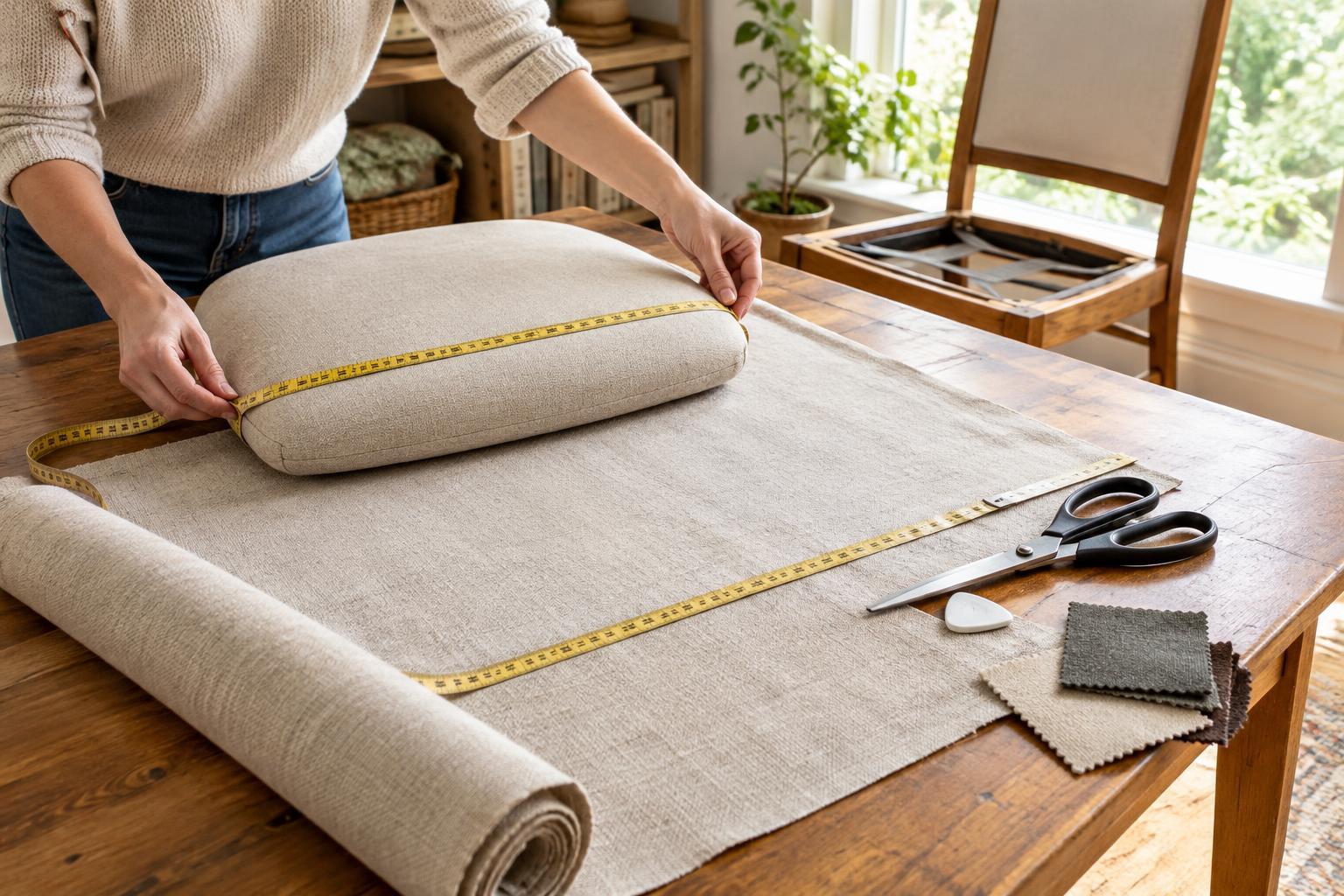
Product descriptions may call many different dimensions a “throw,” so check the measurements rather than relying on the name. To estimate the coverage you need, hold a tape measure across the part of the sofa or chair where the blanket will lie. Then consider your preferred way to sit: tucked under your feet, draped over your lap or stretched out along the cushions. Allow extra length if you like to wrap the blanket around your shoulders.
A throw used mainly for display needs different proportions. On a narrow chair, too much fabric can pool on the floor and make the seat look crowded. On a broad sofa, a very small throw can look lost unless it is folded and placed deliberately. There is no required overhang. Aim for a size that stays clear of walkways and can be folded or draped without repeated fuss.
Choose texture and warmth together
Fiber and construction both affect how a throw feels. Cotton throws can offer a familiar, breathable feel, though their warmth varies with thickness and weave. Wool can provide substantial warmth without requiring a bulky pile, but some people find particular wool fabrics scratchy against bare skin. Synthetic fleece often feels soft and warm for its weight; its surface can change with wear and laundering. Blends vary, so the fiber label is a starting point rather than a complete description of comfort.
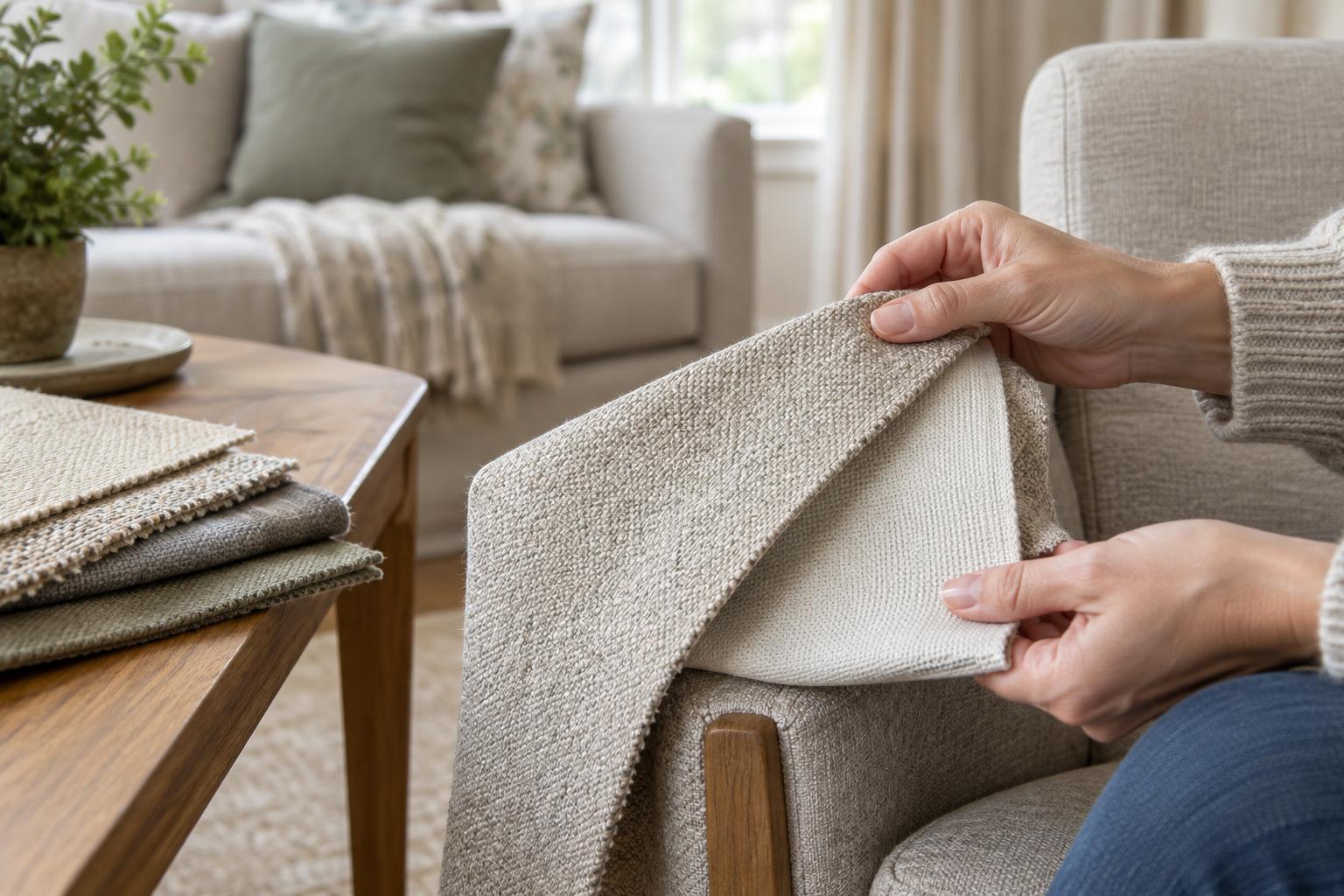
Look closely at the surface as well as the material. An open knit may feel airy and flexible but can catch on jewelry or pet claws. A tightly woven fabric may hold its shape more readily, while a plush pile can feel cozy but collect lint or hair. If you can handle the throw before buying, rub a corner gently against your forearm and fold it in your hands. Notice whether it feels comfortable, sheds fibers or seems too heavy for the season when you plan to use it.
Match care needs to daily life
A throw used during meals, shared with pets or handled by children will probably need cleaning more often than one kept in a guest room. Read the care label before buying. Check whether the whole blanket can be washed at home, whether it needs a gentle cycle or whether the instructions call for a more involved method. A large, heavy throw may be difficult to wash and dry even when its label allows machine washing.
Drying deserves particular attention. Thick fabrics and dense piles can retain moisture in folds, so plan to dry the throw fully before putting it away. Follow the label for heat settings; high heat can affect some fibers and finishes. Between washes, shaking out crumbs, removing surface lint and airing the throw when appropriate may help keep it pleasant to use. If easy upkeep is your priority, let care instructions carry as much weight as softness in the shop.
Make it work in the room
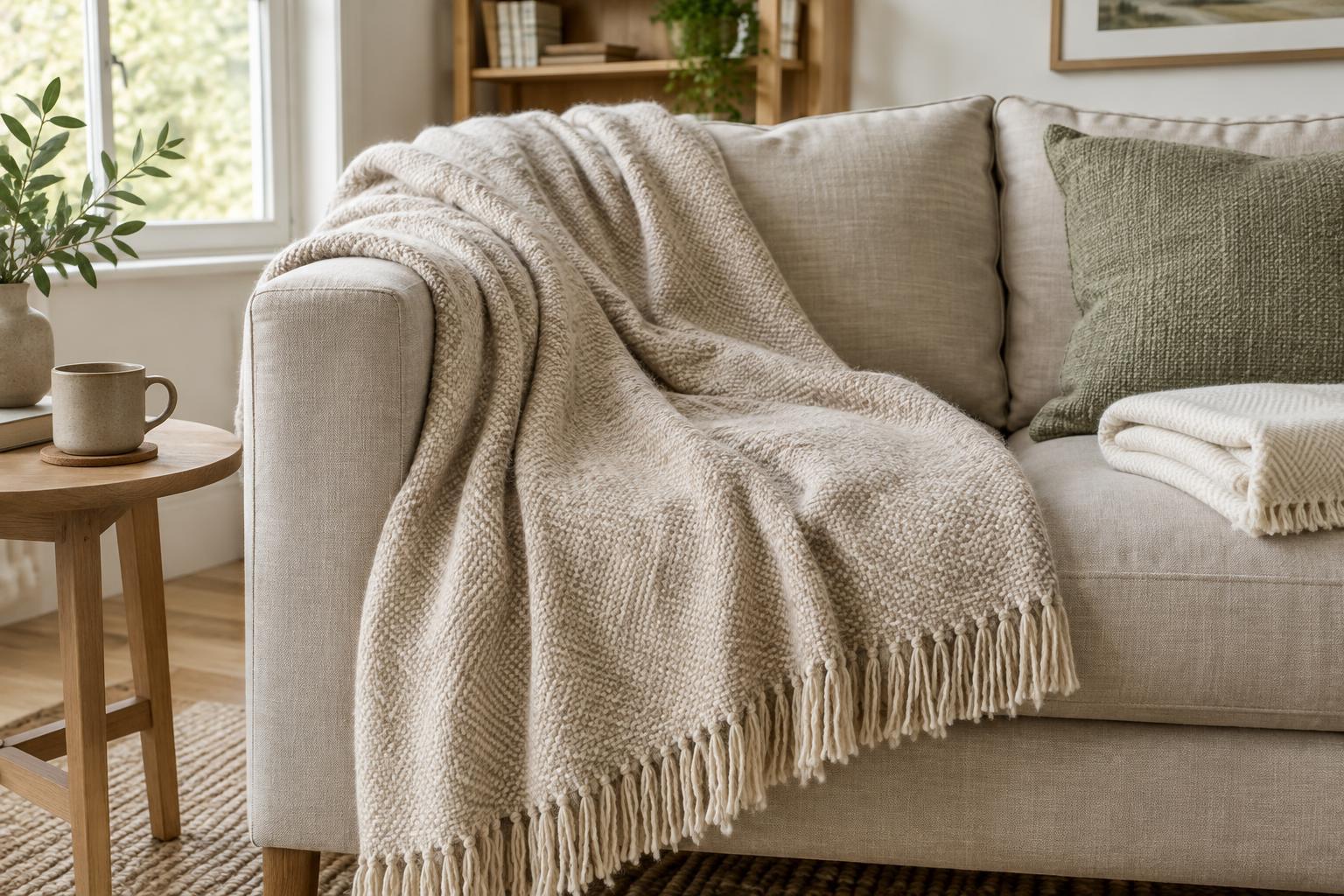
A throw does not need to match every cushion or curtain. It can repeat one color already in the room, add a quieter shade beside patterned upholstery, or introduce a texture that contrasts with a smooth sofa. Consider how it looks both spread out and folded: only a small portion of its pattern may be visible in everyday use.
Before deciding, picture where the blanket will rest when no one is using it. A basket can keep casual throws accessible, while a neatly folded throw can sit on a sofa arm or at the end of a bed. Avoid leaving a long fringe where it may drag on the floor or snag under furniture. When size, feel, care and storage all make sense together, the throw is more likely to become a comfortable part of the room rather than another item to tidy away.