Start with what holds the surface in place
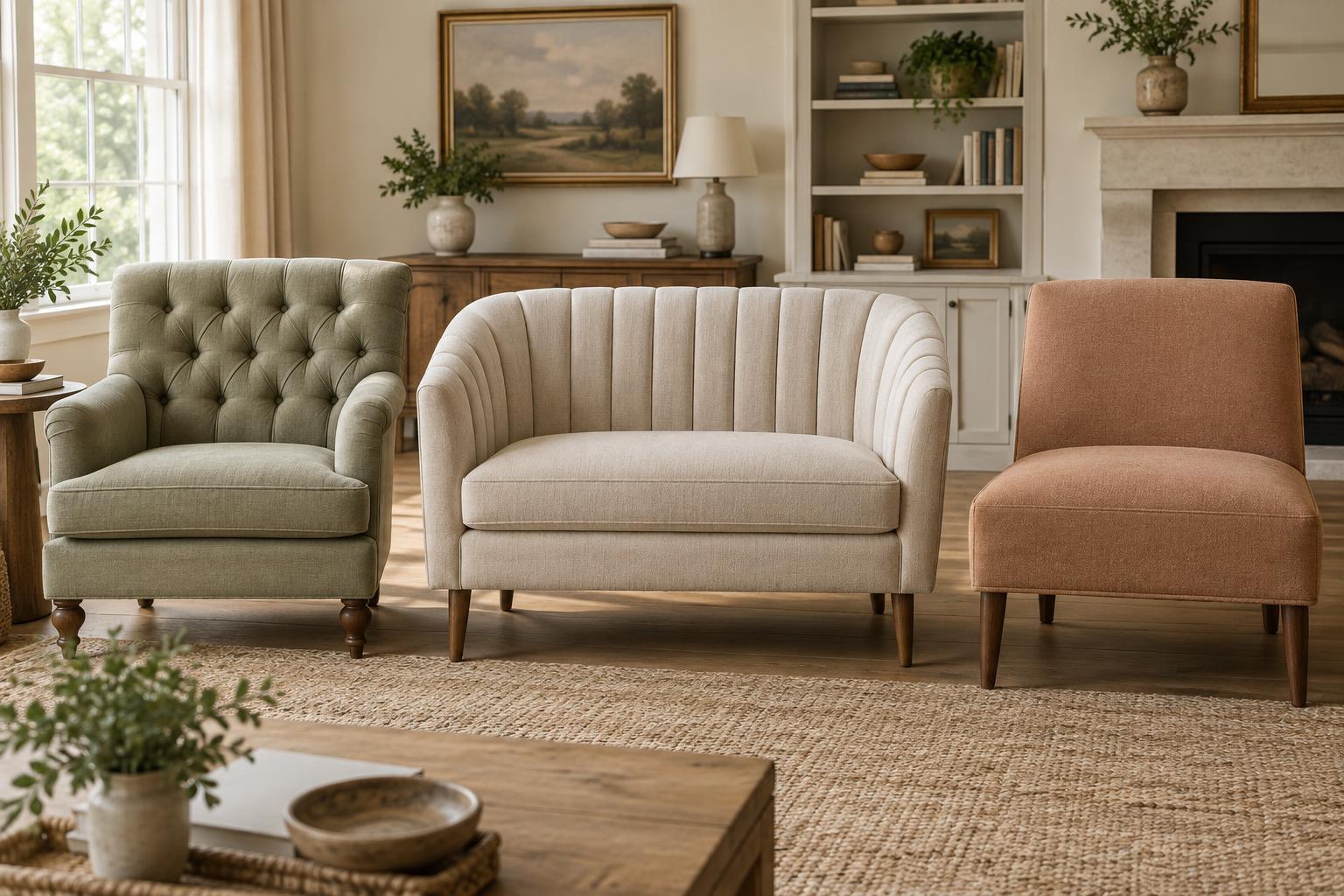
Two chairs can wear the same fabric yet feel and look quite different because of the way that fabric is attached over the padding. Tufted upholstery pulls the surface inward at repeated points. Channelled upholstery divides it into raised, usually parallel sections. Plain upholstery uses broad, uninterrupted panels. These are descriptions of surface construction, not grades of quality: any of the three can be well or poorly made.
Construction matters most where people sit, lean or brush past the furniture. Recesses collect lint, raised areas receive more contact, and wide panels show changes in tension. Looking closely at a seat and back in ordinary light can tell you more about how a design will live in your room than a photograph taken straight on.
Tufting adds depth—and more places to inspect
In traditional button tufting, fabric and padding are pulled inward at intervals and secured beneath the surface. The fabric between those points forms folds or soft shapes. Some pieces achieve a similar appearance with stitching rather than deep, pulled-through tufts, so the visual effect alone does not tell you how the upholstery is built.
Tufting can make a large backrest look softer and more detailed, but its folds and depressions give crumbs, dust and pet hair places to settle. Buttons or other anchor points may also be exposed to snagging if they sit where bags, clothing or pets regularly rub. On a piece you can examine in person, check that the tufts look evenly spaced, the surrounding fabric is not strained, and the anchors feel secure without tugging hard on them.
For routine care, use a soft brush attachment or gentle vacuum setting to reach into the recesses. Work around buttons rather than pulling at them. If a tuft loosens, avoid tightening it by dragging on the visible thread or button; the attachment beneath the fabric may need attention.
Channels create rhythm through seams and padding
Channelled upholstery uses rows of stitching or separate upholstered sections to form long raised bands. Channels may run vertically on a chair back or horizontally across a bench. Their direction changes the impression of a piece: vertical lines can make a back appear taller, while horizontal lines emphasize its width. The height and firmness of each band depend partly on the padding beneath it.
Compared with deep tufting, channels often have fewer tight pockets, but their seams can still trap lint. They also introduce repeated edges that may show wear where people slide across a seat. Check whether the bands look consistently filled and whether the seams track evenly, especially around curves and corners. Small variations are not necessarily faults; puckering, open seams or noticeably flattened sections are more useful signs to investigate.
A narrow upholstery attachment can help clean along the seams without grinding debris into them. If a channel loses its shape, smoothing the outer fabric may not restore the padding underneath. That distinction is worth remembering when assessing a secondhand piece or considering a repair.
Plain panels put fabric and fit on display
Plain upholstery has fewer surface interruptions, giving a fabric’s color, weave or pattern room to stand out. It is generally easier to sweep or vacuum across a smooth panel, and there are fewer seams or recesses on the main surface to work around. That simplicity does not mean the panel is maintenance-free.
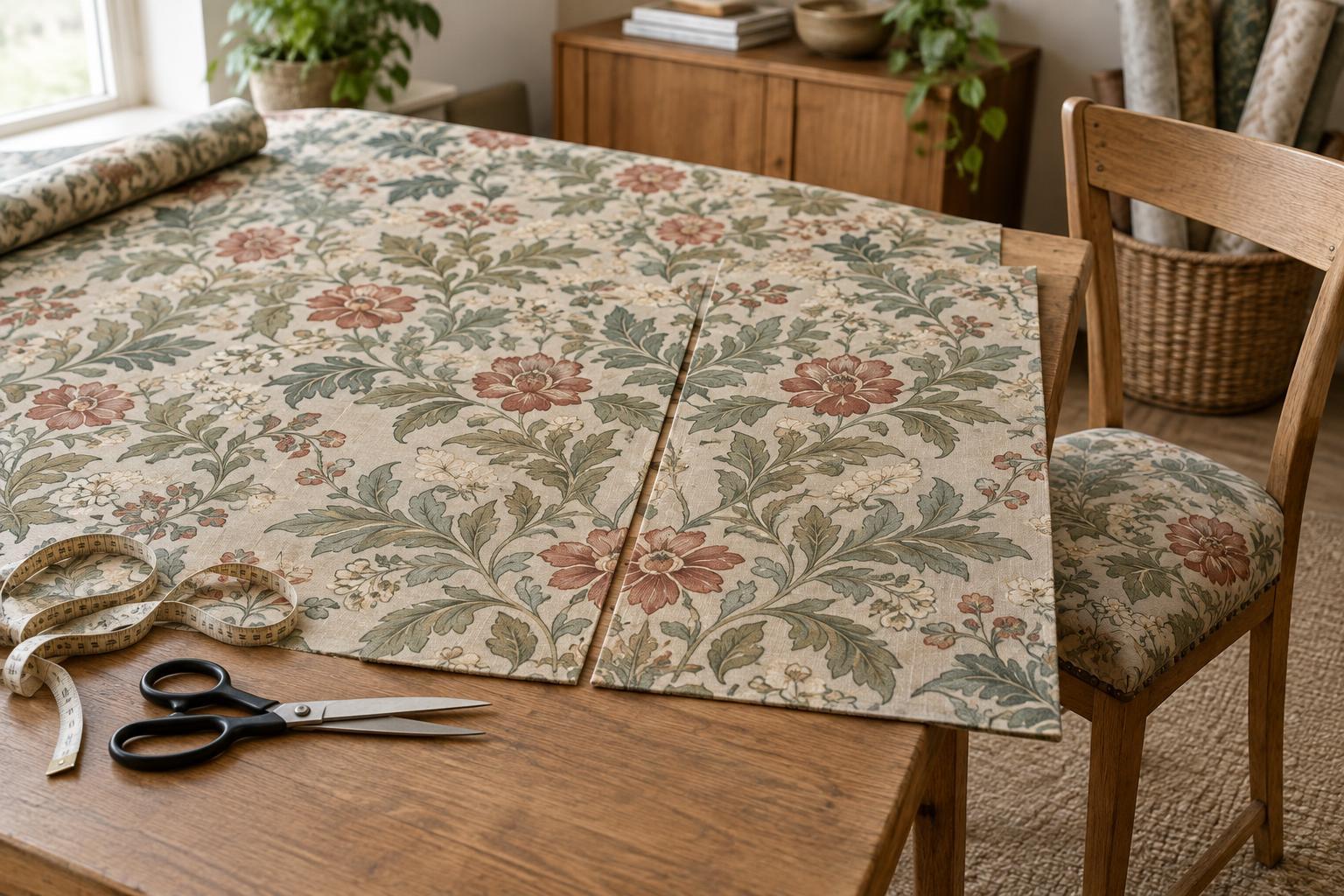
Broad areas can make wrinkles, stretched fabric, stains and uneven padding more noticeable. A loose, relaxed cover may be designed to move and crease, while a tailored fixed cover is intended to sit more smoothly. Before treating a wrinkle as a defect, consider the intended finish and how the piece looks after someone has sat on it. On patterned fabric, check how the motif meets at the main seams; on a solid fabric, view the panel from several angles to see how light reveals the texture.
Choose for the room, then care for the details
Think about the furniture’s job before choosing its surface. A decorative chair used occasionally may be a good place for deep tufting. A heavily used family seat may be easier to maintain with shallower channels or a plainer panel, though fabric choice, cushion construction and household habits matter just as much. If possible, sit on the piece: raised bands and tufts can feel different against the body even when they look comfortable.
Whatever the construction, follow the maker’s care guidance for the fabric rather than assuming a cleaning method is safe because the surface looks sturdy. Vacuum gently, attend to spills promptly using the recommended approach, and avoid soaking seams or tufted recesses. When comparing pieces, look for secure attachments, sound seams and padding that supports the shape. The best choice is the surface you enjoy looking at and can realistically keep up with.