Find the source before treating the fabric
A fabric may hold onto cooking smells, pet odors, smoke or a musty scent long after the room has been aired. The first step is to work out whether the smell is in the textile itself or coming from something nearby. Check cushions and their inserts separately, look beneath a rug, and notice whether a curtain smells stronger near a window or wall. A scented spray may cover an odor briefly, but it will not remove a spill, trapped moisture or another underlying cause.
Pay particular attention to dampness. A musty smell that returns after cleaning can point to a leak, condensation or fabric that is not drying fully. Address the moisture source before repeating a cleaning treatment. If a fabric has visible mold, widespread staining or damage from prolonged wetness, routine deodorizing may not be enough; replacing the affected item or seeking appropriate help may be the safer choice.
Start with air, dust removal and the care label
Fresh air and gentle dust removal are useful first steps because odor-causing residue can sit alongside ordinary dust and debris. Open windows when conditions allow, and separate removable cushions so air can reach both sides. Vacuum upholstery and rugs with a suitable attachment, taking care around loose weaves, fringe and delicate trims. For a portable item, airing it in a dry, sheltered place may help. Avoid leaving dyed fabric in strong direct sun for extended periods, as some colors can fade.
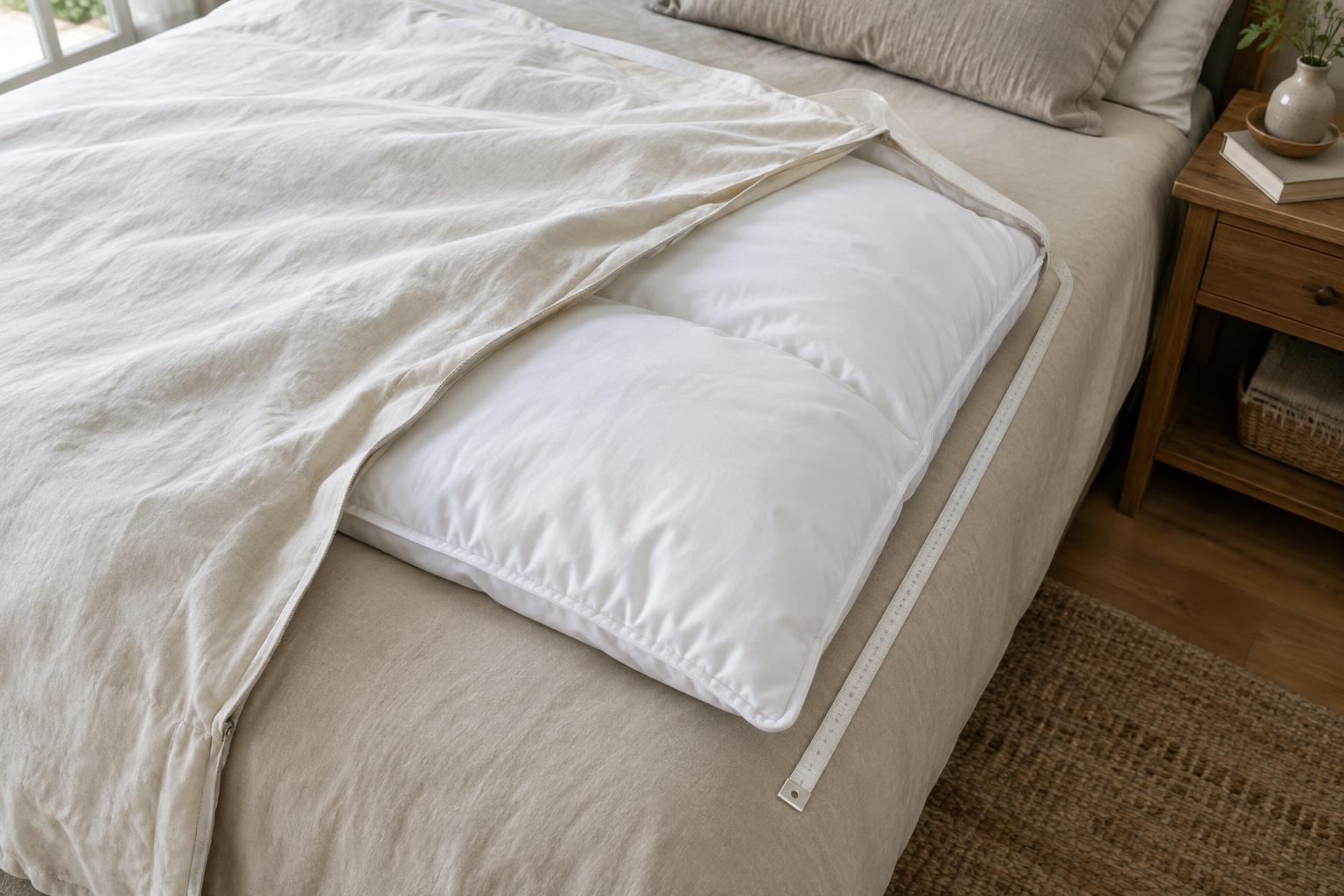
Before using water or a product, read the care label. Curtains may have linings or finishes that respond differently from the face fabric, while a cushion cover may be washable even though its insert is not. If the label calls for professional cleaning, or if the textile is antique, fragile or difficult to replace, avoid experimenting with household treatments. Where a cleaner is permitted, test it on an inconspicuous area and let that spot dry before assessing the result.
Wash removable textiles thoroughly, then dry them completely
For washable throws, covers and curtains, follow the label’s temperature and cycle instructions. Use an appropriate amount of detergent rather than adding extra in the hope of removing a strong smell; residue left in the fibers can make the fabric feel stiff and may hold onto dirt. If the care label allows, an additional rinse can help when detergent or a previous scented product seems to linger. Heavily soiled pieces may need a separate wash so debris is not spread to other textiles.
Drying is as important as washing. Give bulky items enough space for air to move through them, and check thick seams, padding and folds before putting them away. Do not return a slightly damp cushion cover to an absorbent insert or fold damp curtains into storage. If an item still smells after it is fully dry, reassess the likely source before washing it again; the odor may be in an insert, backing or nearby surface.
Treat fixed upholstery with restraint
Sofas, upholstered chairs and fabric headboards need a lighter approach because their padding can retain moisture. After vacuuming, deal with a localized spill according to the furniture’s care instructions. Blot rather than rub, work from the outside of a stain toward its center, and use as little approved cleaning solution as practical. Let the area dry fully with good airflow before using the furniture. Soaking the surface can move residue deeper into the padding and leave a new musty smell.
For an odor with a known source, such as a pet accident, a cleaner designed for that type of residue may be more useful than a general fragrance. Check that it is suitable for the fabric and follow its directions, including any required dwell time and removal steps. Never mix cleaning products, and avoid applying strong solutions simply because an odor is persistent. If the smell has reached inaccessible padding, repeated surface cleaning may have limited effect.
Keep odors from returning
Simple habits reduce the buildup that makes odors difficult to remove. Clean spills promptly, let wet coats and towels dry before placing them on upholstered furniture, and vacuum soft furnishings regularly. In rooms where cooking odors or humidity collect, ventilation can help keep fabrics fresher. Store seasonal textiles only when they are clean and completely dry, in a place where they are protected from dampness.
Judge a treatment after any added fragrance has faded and the fabric has dried. If an odor keeps returning, look beyond the visible textile: a rug pad, cushion insert, wall or floor beneath it may also need attention. Finding and addressing that source is usually more effective than repeatedly perfuming the fabric.