Start with the way you eat
The best cloth napkins are the ones you will reach for regularly. Before choosing a color or pattern, think about where they will be used. A napkin for quick weekday breakfasts may need to be sturdy, easy to wash and forgiving of wrinkles. One reserved for occasional dinners can be lighter or more decorative if you do not mind giving it extra attention.
Consider how many people usually eat at your table and how often you do laundry. Having more napkins than place settings lets you replace a soiled one without immediately running a wash. You do not need every napkin to match: a small group of compatible colors can make it easier to add to a collection over time.
Choose fabric by feel and upkeep
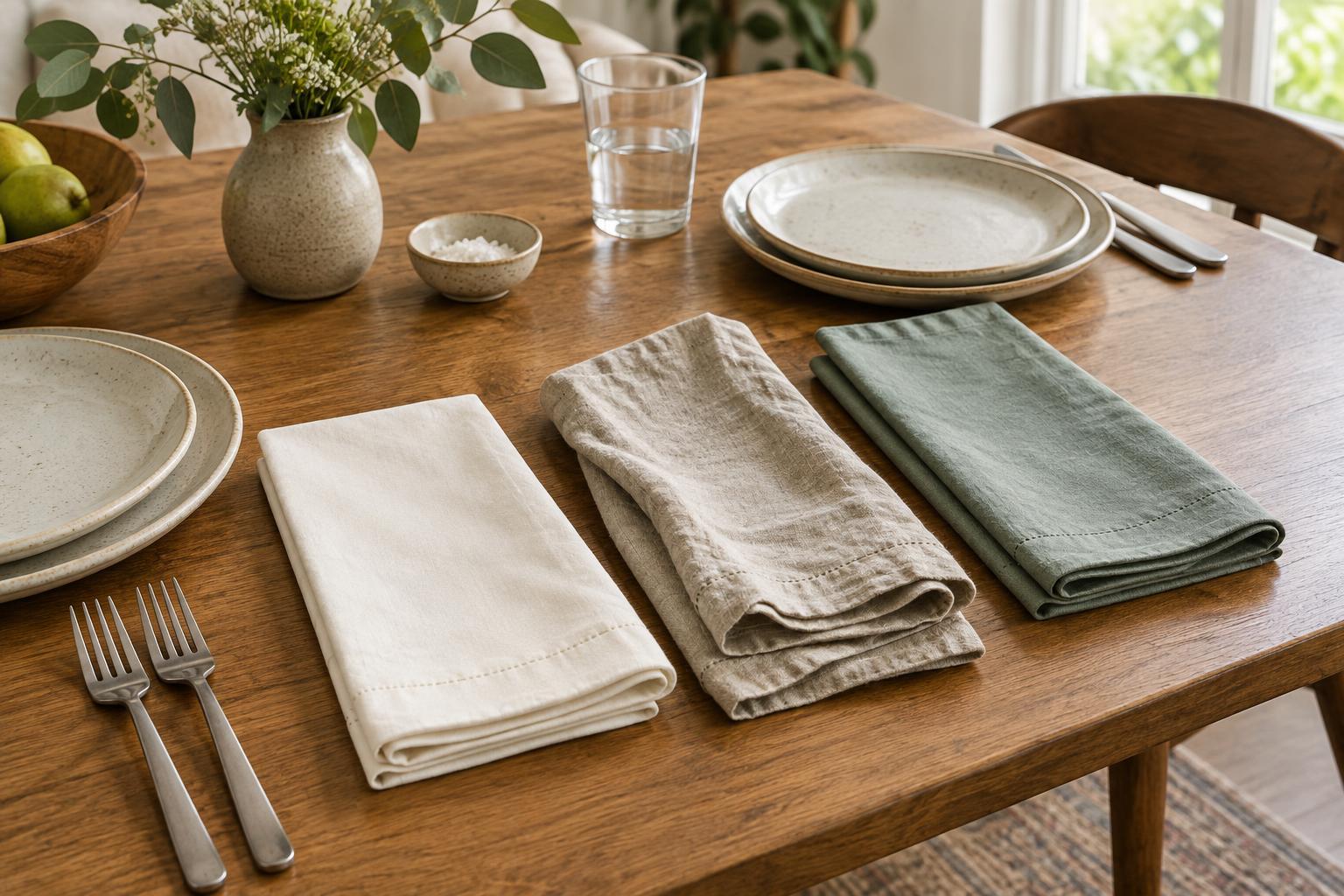
Cotton is a versatile starting point for everyday napkins. It generally feels soft, absorbs spills well and can be washed with other suitable household linens. A closely woven cotton may feel smooth and neat, while a looser weave or textured cotton may look more relaxed. Check the care label, since dyes, trims and finishes can change how a particular set should be washed.
Linen has a distinctive texture and often becomes softer with use and washing. Its natural creases suit an informal table, but it may not be the right choice if you want napkins that look sharply pressed straight from the drawer. Cotton-linen blends can offer a middle ground. Synthetic blends may resist creasing, though their feel and absorbency vary. If possible, handle a napkin before buying it: fabric content alone will not tell you whether it feels pleasant against your face and hands.
Pick a size that suits your table
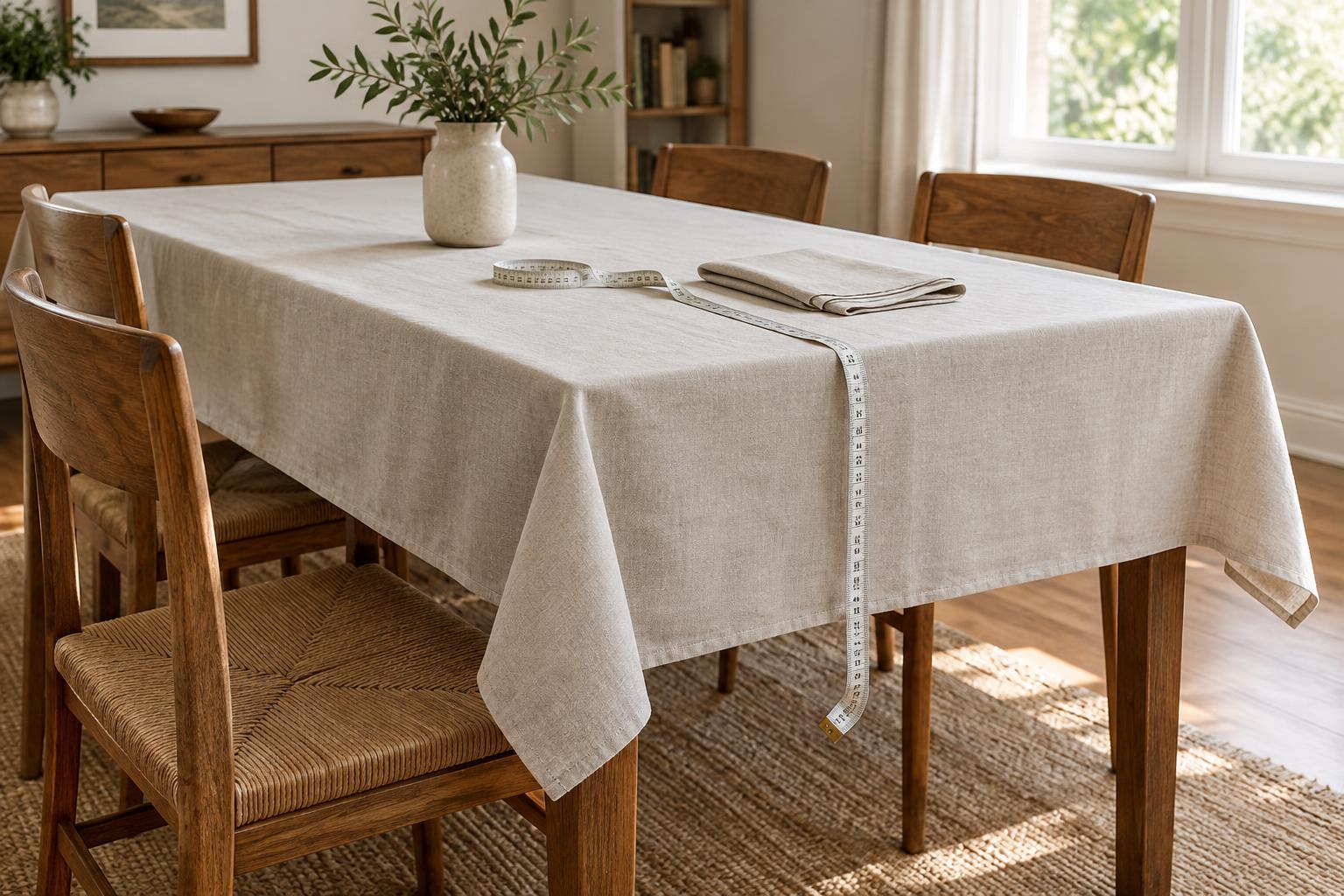
Napkins are often sold in sizes around 16 to 20 inches square, but there is no single correct measurement. A smaller square takes up less room in a lunch bag, drawer or compact place setting. A larger one provides more coverage across a lap and more clean fabric to use during a long meal. Product dimensions are usually given before washing, so check whether the maker notes any expected shrinkage.
Imagine the napkin both folded beside a plate and opened in use. A generous size can feel cumbersome on a small table, while a very small napkin may leave guests looking for a second one. If you already own a napkin you like, measure it after washing and use it as a reference. That familiar size may be more helpful than a product photograph.
Look closely at the finish
Edges have a practical job. A secure hem helps a napkin keep its shape through repeated use and washing. Look for even stitching and corners that lie reasonably flat. Fringed edges offer a softer, casual appearance, but consider whether you would enjoy maintaining that look if loose threads appear. Very stiff finishes may relax after washing, though it is worth checking care instructions before assuming they will.
Color and pattern affect daily use as much as appearance. White and pale napkins make it easier to see when they are clean, but visible food marks may need prompt attention. Mid-tones and patterns can be more forgiving at the table. If you want to mix napkins with tablecloths or placemats, choose a shared color or similar level of formality rather than trying to match every detail.
Make care part of the decision
Before committing to a full set, read the care label and decide whether its instructions fit your routine. After meals, remove crumbs and deal with obvious spills promptly. Avoid rubbing a stain so hard that you spread it or damage the weave. Wash with compatible colors according to the label, and check that marks are gone before using heat to dry or press the napkins, since heat can make some stains harder to remove.
Napkins do not have to be ironed to be useful. Smoothing them while they are still slightly damp and folding them once dry may be enough for an everyday table. Store clean napkins somewhere dry and easy to reach, so using them is no more complicated than taking out plates. If you are uncertain about a fabric, try a small set first and see how it looks and feels after several washes.