What does “performance” mean in upholstery?
Performance upholstery is designed or treated to handle particular demands, such as resisting stains, shedding liquid or standing up to frequent use. The label does not describe one fiber or guarantee one level of protection. Some fabrics use fibers selected for their properties; others have a finish applied to the surface. A fabric may also combine these approaches.
Untreated upholstery generally means fabric without an added protective finish. That does not automatically make it delicate. A tightly woven, sturdy untreated fabric may serve a household well, while a fabric marketed as performance may still snag, pill or fade under the wrong conditions. When comparing options, look past the label and ask what the fabric is meant to resist, how it should be cleaned and whether its feel suits the room.
Spills and stains: what protection can and cannot do
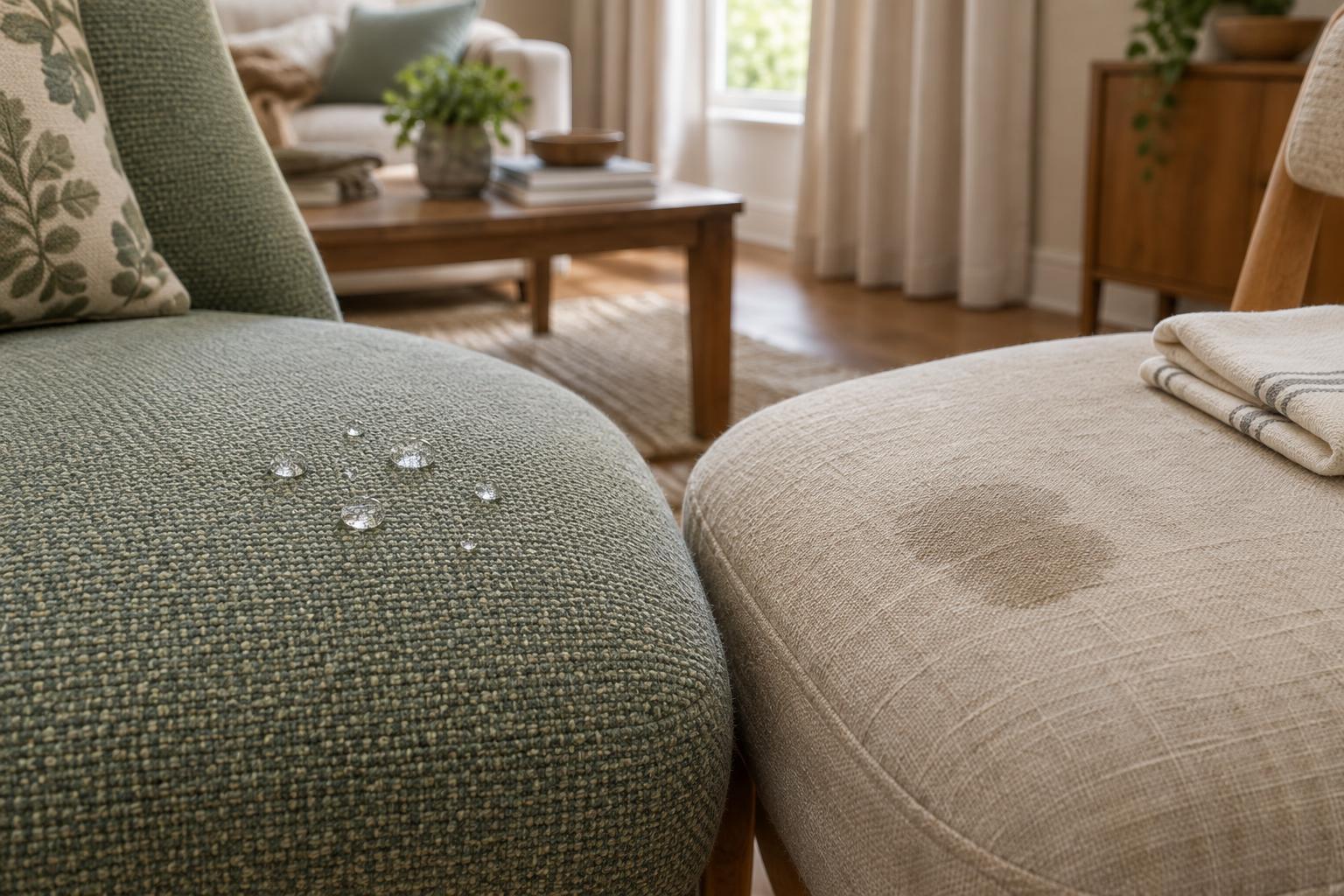
The most noticeable advantage of many performance fabrics is extra time to deal with an accident. A spill may remain nearer the surface instead of soaking in immediately, making it easier to blot. This is useful on a sofa used for snacks or on dining chairs where dropped food is likely. It is not a promise that every mark will come out: oils, dyes and spills left in place can still be difficult to remove.
Untreated fabrics may absorb liquids more readily, depending on the fiber and weave. That makes quick attention especially valuable, but it does not mean the fabric must be kept out of a busy room. Removable cushion covers, a forgiving color or pattern, and sensible household habits can all make an untreated choice practical. With either type, follow the maker’s care instructions before using water or a cleaning product. Rubbing or soaking a stain can spread it or leave a visible ring.
Comfort, appearance and everyday wear
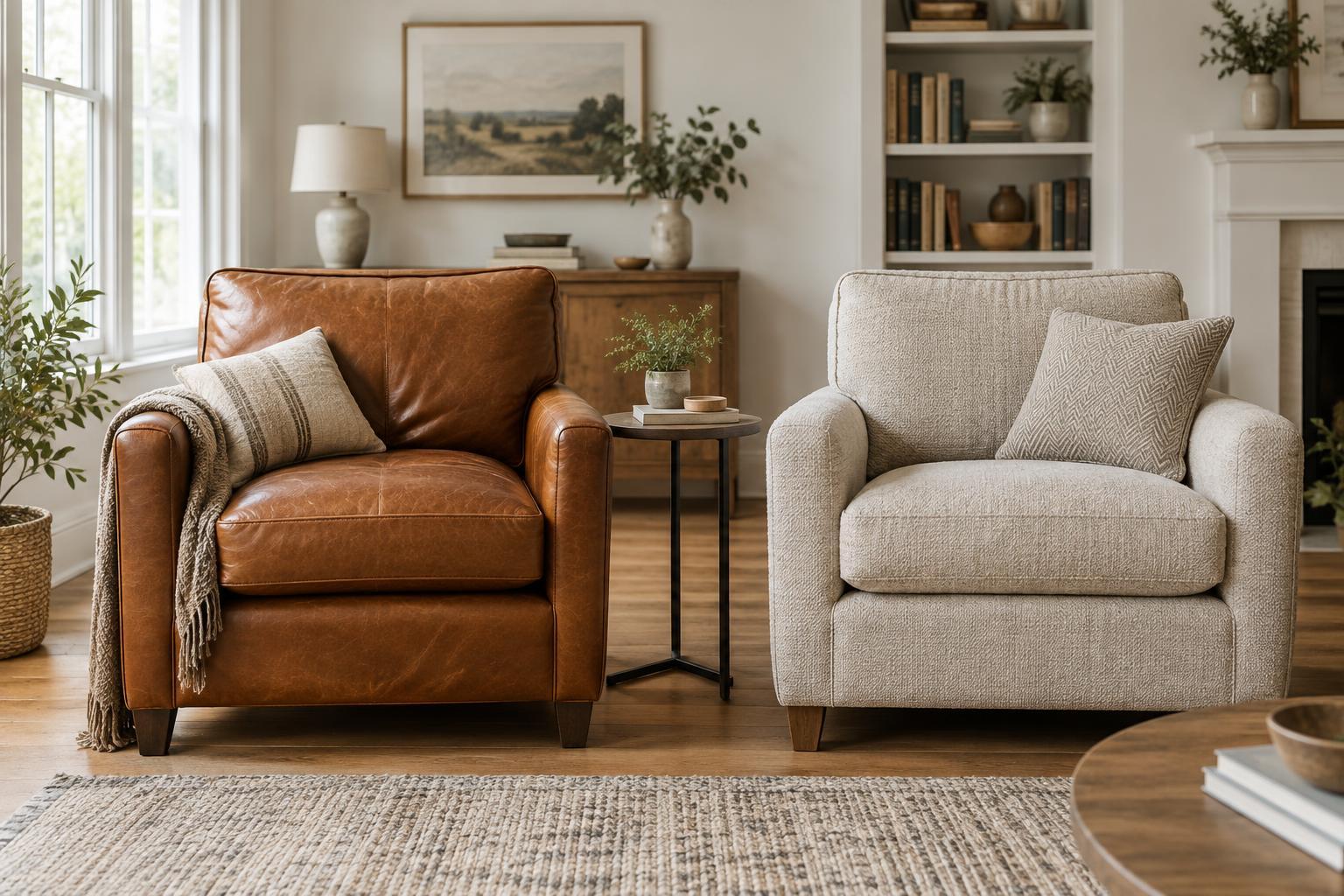
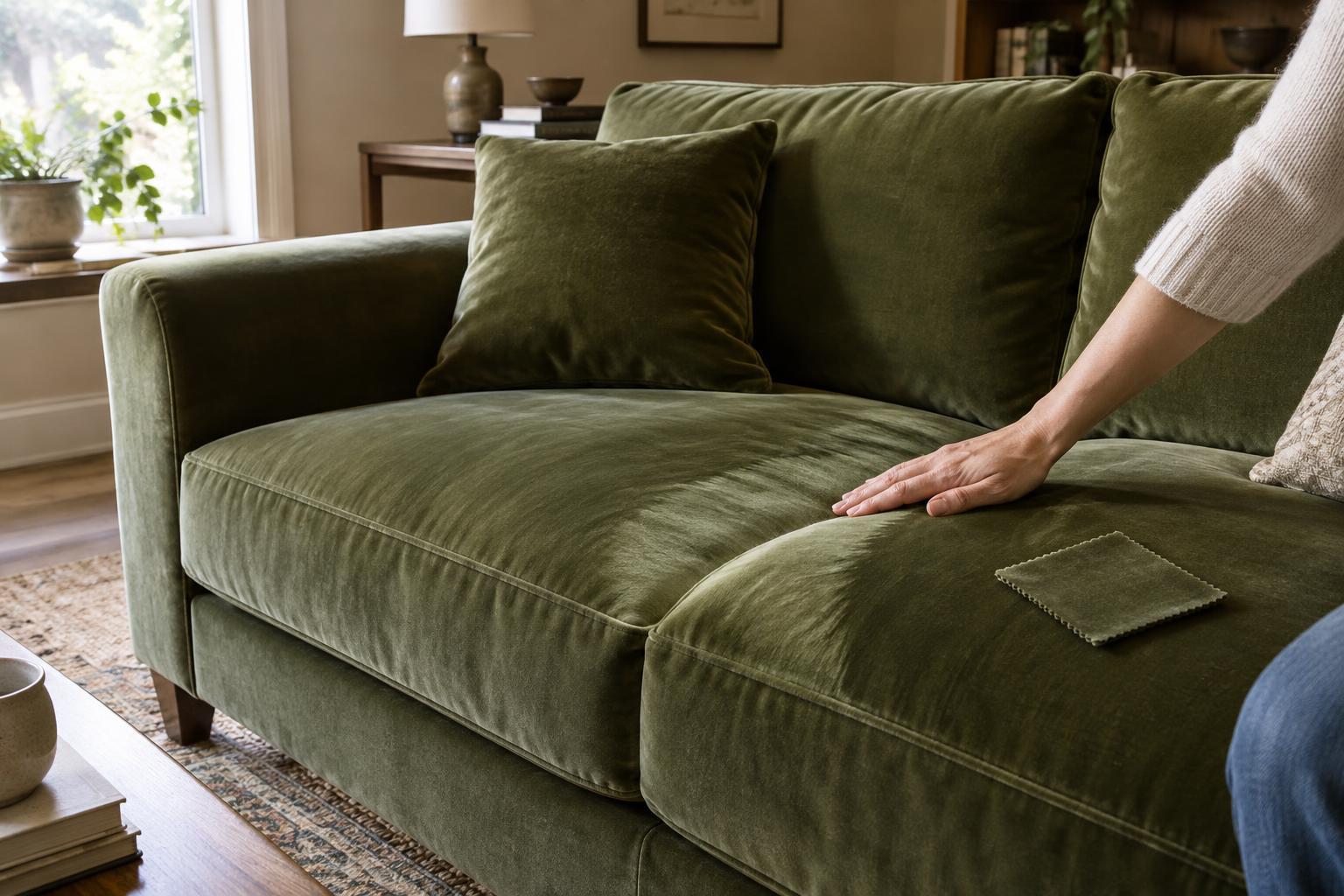
A chair is experienced by touch as much as by sight. Some people prefer the texture and drape of an untreated natural-fiber fabric; others like the smooth, consistent surface of a performance option. Neither category has a single look or feel. Request a sample if possible, and view it in the room where the furniture will live. Daylight and lamps can reveal texture, sheen and color differently.
Think about wear separately from stain resistance. A protective finish does not necessarily prevent claws from catching a loose weave, seams from taking strain or sunlight from changing a color over time. A firm weave may be preferable where pets climb on furniture, while a textured surface or pattern can make ordinary lint and small marks less conspicuous. If a particular fabric appeals to you, ask about its suitability for the intended use rather than assuming that “performance” covers every kind of wear.
Cleaning requirements and the life of the fabric
Before choosing upholstery, check its care label or product guidance. Similar-looking fabrics can call for different cleaning methods, and a removable cover is not necessarily machine washable. If the care instructions are unclear, ask the seller to explain them. This matters for performance fabrics too: a protective treatment may require particular care, and harsh cleaning can affect the appearance or behavior of a fabric.
Routine upkeep is modest but worthwhile. Vacuum upholstery with a suitable attachment to remove loose grit, pay attention to creases, and blot fresh spills gently with a clean cloth. Test any permitted cleaner on a hidden area first. Rotate reversible cushions where practical so wear is shared, and consider where direct sun falls during the day. These habits support both treated and untreated fabrics; they are more reliable than treating either label as permission to ignore maintenance.
Choose for the room, not just the label
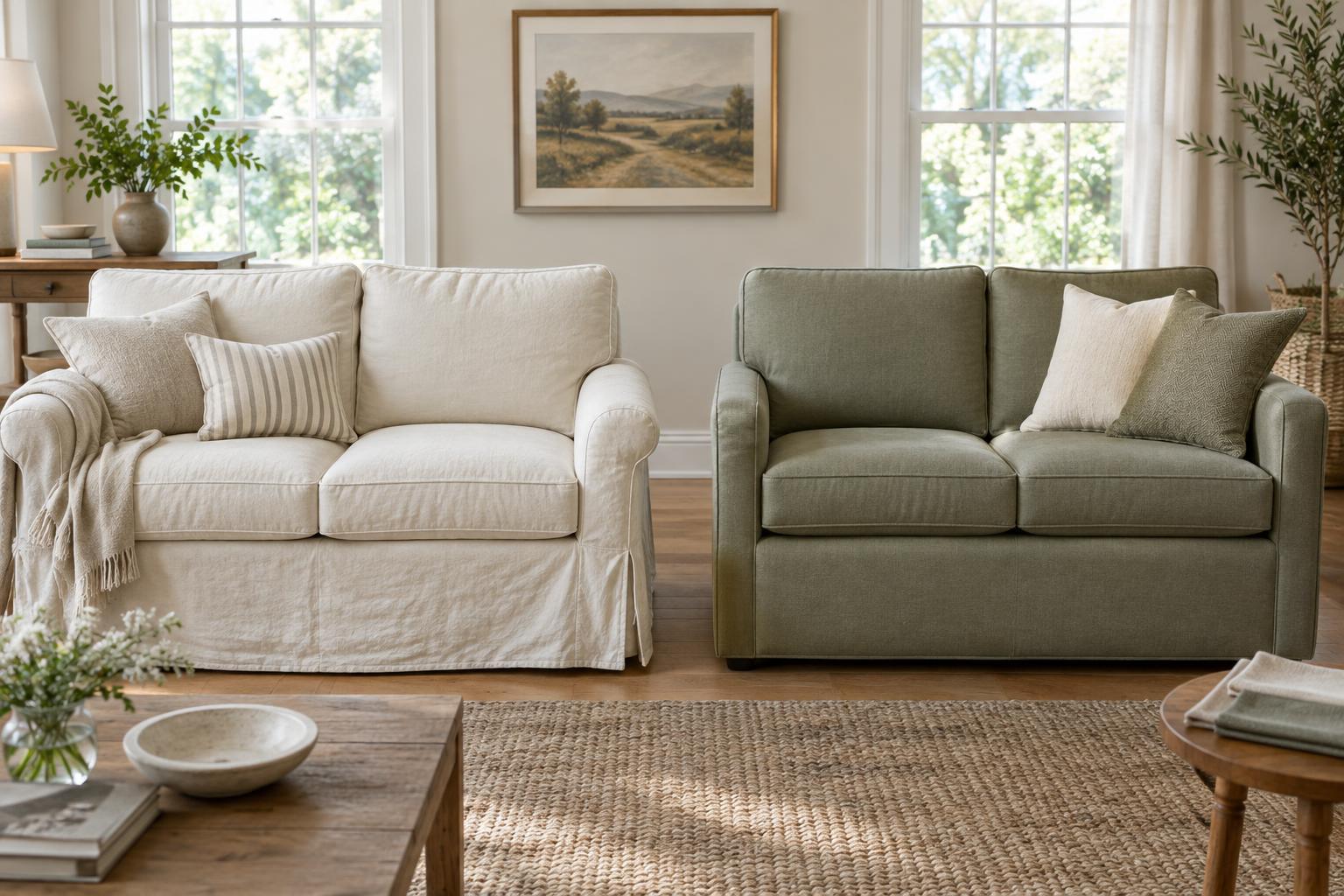
Start with the furniture’s job. For a frequently used family sofa, easy spill response and a forgiving weave may matter most. For an occasional reading chair, the hand of the fabric and its appearance may take priority. Dining seats need attention at edges and seams as well as on their flat surfaces. In every case, consider who uses the furniture, what kinds of mess are likely and how much upkeep you are willing to do.
Performance upholstery is a useful option when its specific protections match those needs. Untreated fabric can be just as thoughtful a choice when you value its texture, understand its care requirements and can live with the way it develops signs of use. Compare samples, read the cleaning guidance and choose a fabric whose trade-offs feel manageable in your home.