Start with clean textiles that are completely dry
Mustiness often begins with moisture trapped in fabric or its surroundings. Before packing away seasonal bedding, throws, curtains or cushion covers, clean them according to their care labels. Dirt and body oils can leave textiles smelling less fresh over time, even when they look clean. If an item cannot be washed at home, follow its label rather than trying a cleaning method that may damage it.
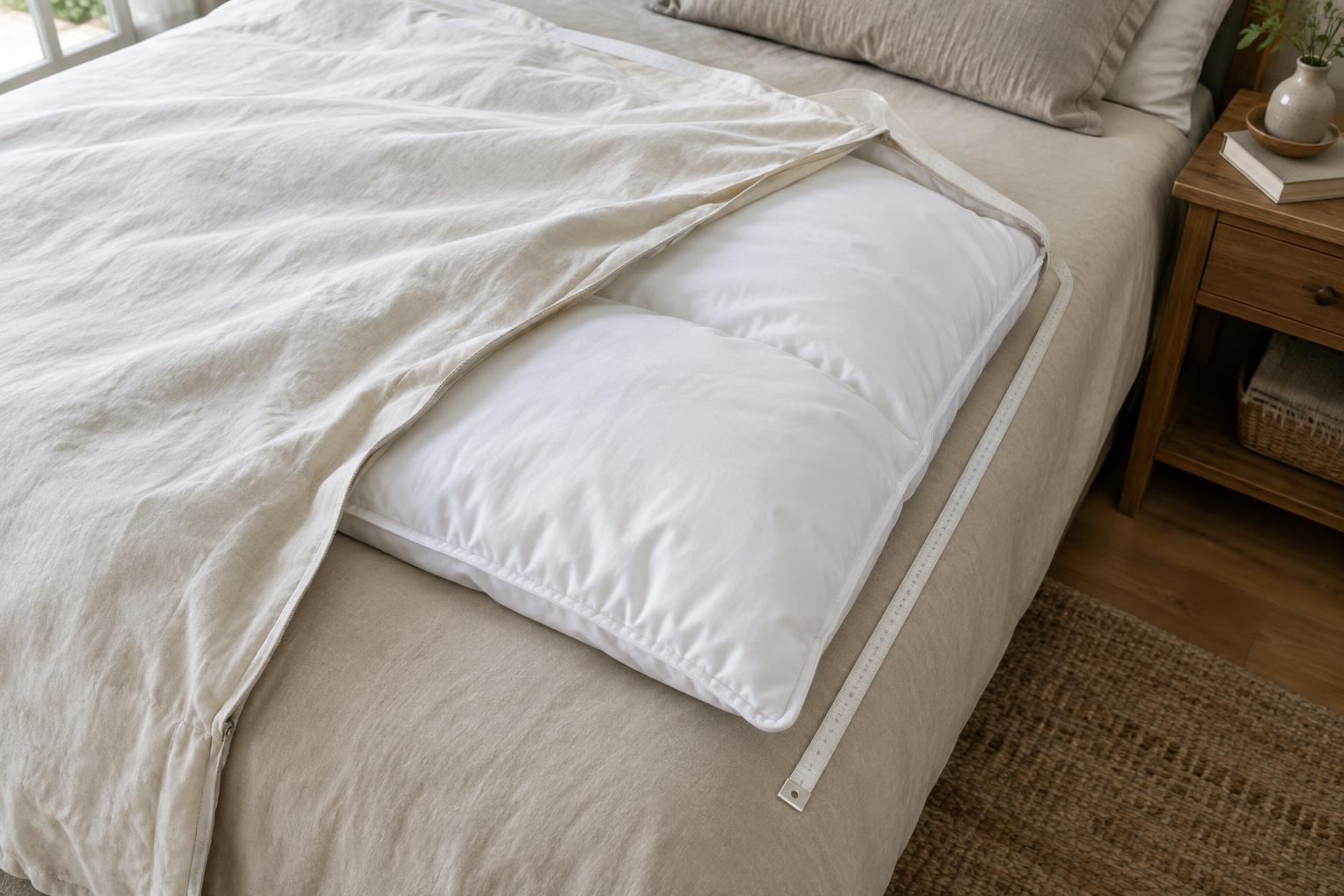
Do not rely on the end of a dryer cycle as proof that a bulky item is dry throughout. Feel along thick seams, hems, quilting and folds, where dampness can linger. After air-drying, give the textile time to cool before checking it; warmth can make a slightly damp area harder to notice. If you are unsure, leave it spread out in a well-ventilated room a little longer. Packing a truly dry item matters more than adding a fragrance to its container.
Choose a container that suits the storage space
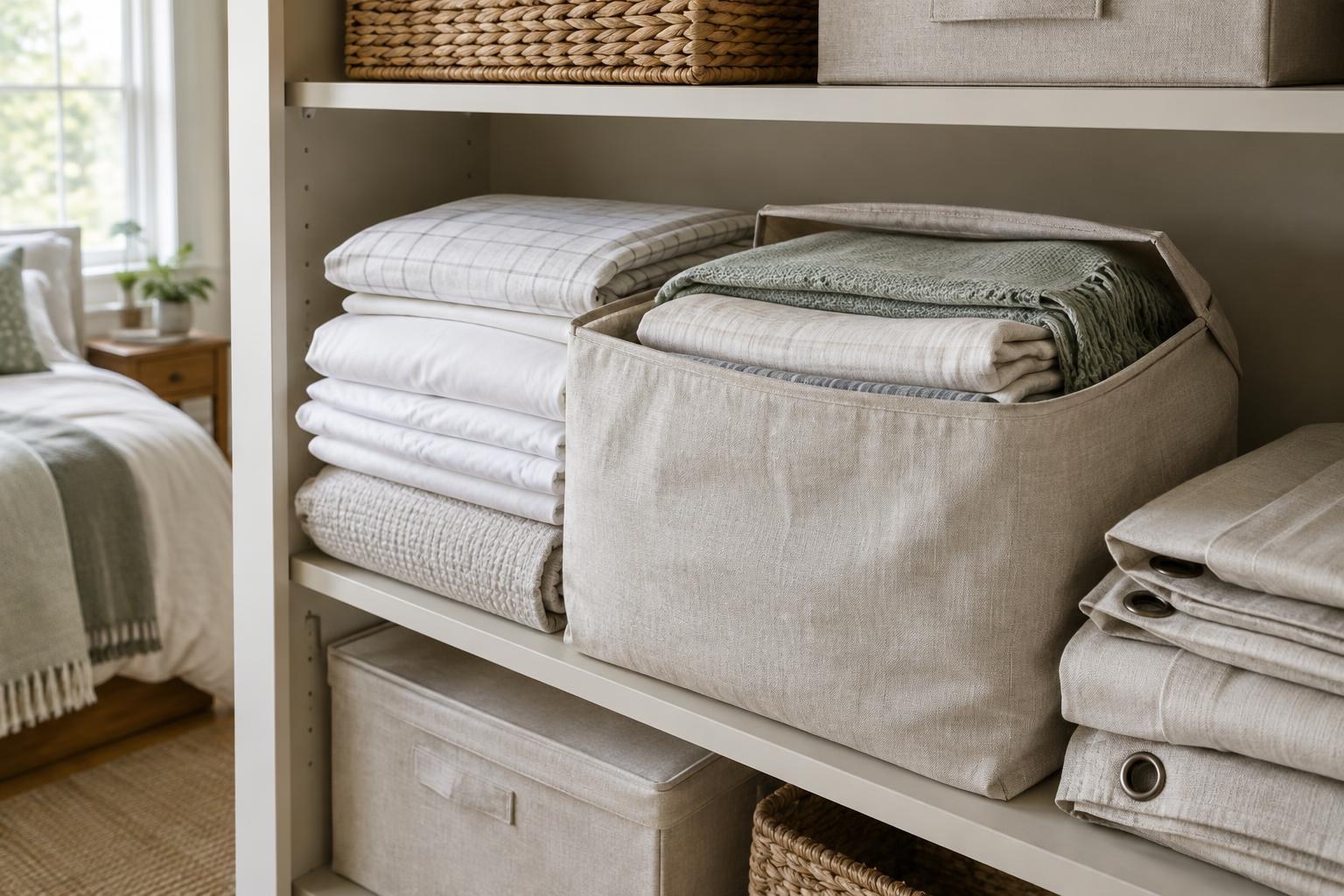
In a dry indoor cupboard, a clean cotton storage bag or a box with a well-fitting lid can protect textiles from dust. Breathable bags are particularly useful when you want air to circulate around natural fibres. Keep the bag off a dusty floor, and make sure any box is clean and dry before filling it. Avoid wrapping fabric directly in newspaper, which may transfer ink, or leaving it in a thin dry-cleaning cover for long-term storage.
Plastic containers can help shield textiles from dust and incidental contact with moisture, but they cannot fix a damp item or a damp room. If you use one, pack only fully dry fabrics and check the contents periodically. Do not cram a box so tightly that you must force the lid shut. Give bulky pieces enough room to rest without severe compression, especially if you want a duvet or padded cover to regain its loft when unpacked.
Pick a steady, dry location
An interior cupboard is usually a better choice than a space prone to condensation, leaks or large temperature changes. Check that shelves, walls and the floor feel dry, and look for staining or a persistent damp smell before placing textiles there. Keep containers away from exterior walls that regularly feel clammy, and leave some space around them rather than packing the cupboard wall to wall.
If a basement, attic or outbuilding is your only option, inspect it before committing valuable or delicate pieces to storage. A sealed box may reduce exposure to dust or splashes, but it is not a guarantee against ongoing damp conditions. Address a leak or condensation problem instead of trying to cover its smell with scented products. Fragrance can also transfer to fabric, so use it sparingly, if at all.
Pack for easy retrieval and gentle handling
Fold each item loosely and place heavier pieces at the bottom. For long curtains, remove detachable hooks or pins so they cannot snag the fabric, and keep the hardware in a labelled pouch. If a textile has a permanent crease you would rather avoid, refold it along different lines during a storage check. Heirloom or especially fragile pieces may need more individual support than everyday household linens.
Label containers by contents and season so you do not have to open every box to find a spare blanket. Store matching pieces together, but separate anything that sheds lint or has a loose dye from pale, smooth fabrics. Small organizational choices make it easier to notice a problem early and to return clean textiles to use without an extra round of sorting.
Check stored items before you need them
Storage is not a set-and-forget task. Occasionally open a container and check for moisture, odour or signs of pests, particularly after a change in weather or a known leak. If an item smells stale, take it out and identify the cause before repacking it. Airing may help with a mild closed-in smell; a noticeable musty smell calls for cleaning in line with the care label and a closer look at the storage area.
When the season changes, unpack textiles with enough time to inspect and refresh them before putting them on a bed or hanging them at a window. A simple routine—clean, dry thoroughly, pack without crowding, and store somewhere dry—does more for freshness than any scented sachet. It also makes seasonal swaps easier, because each item is ready to use rather than another chore waiting in a box.