Start with the care label, not the fabric’s appearance
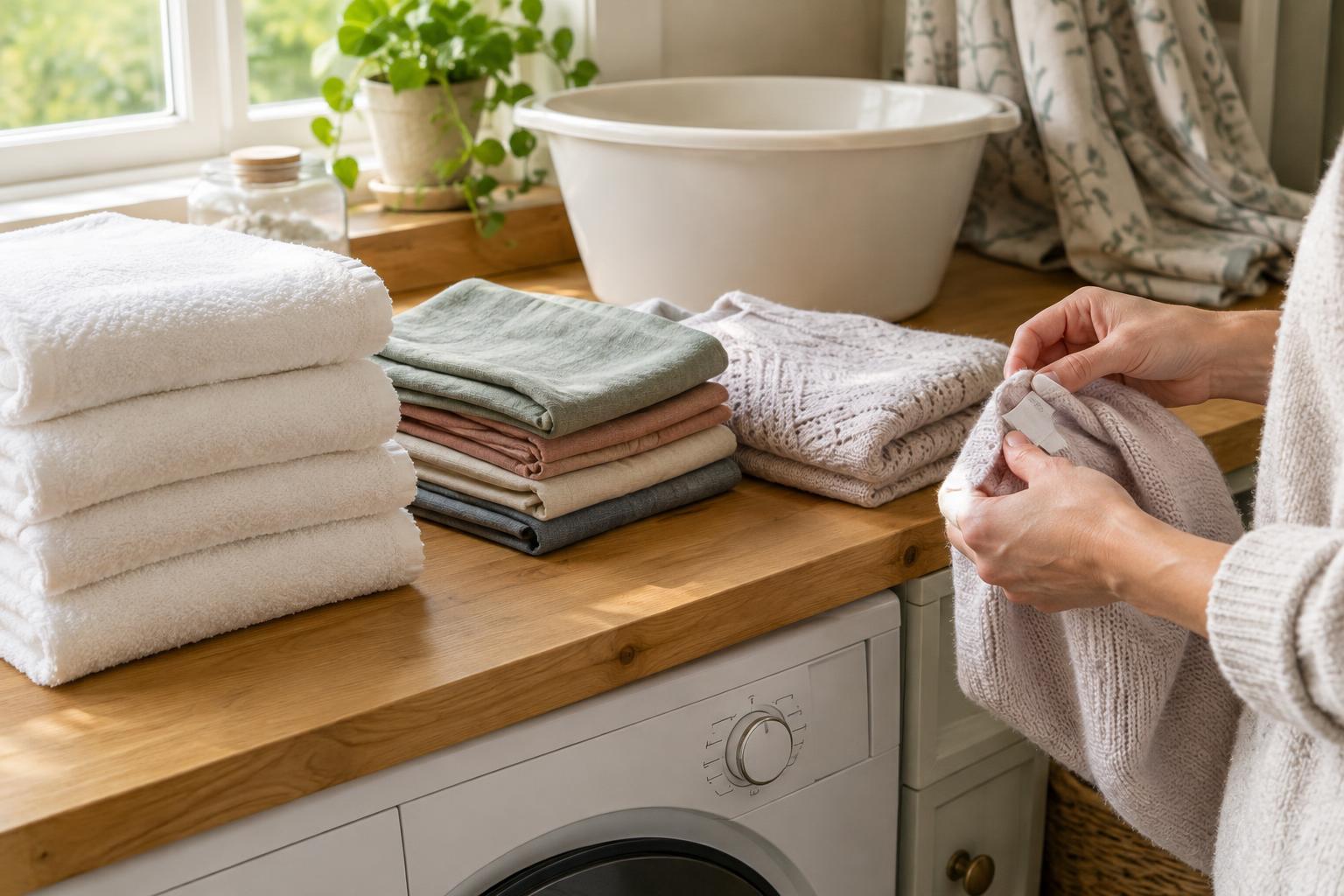
A thick curtain can have a delicate lining, and a sturdy-looking cushion cover can shrink enough to become difficult to put back on. Before choosing a water temperature, check the sewn-in care label for the maximum permitted temperature and any instruction to hand wash, dry clean or avoid washing. A stated temperature is a limit, not a requirement to wash that hot every time.
If an item has no label, consider its whole construction. Linings, trims, backing, embroidery and mixed fibers may react differently from the main fabric. For an unfamiliar or valued textile, a gentle cleaning method or advice from a qualified cleaner may be safer than testing a hot wash. When washing is appropriate, sort by color, fabric weight and care requirements rather than putting every household textile in one load.
When cold water is a sensible default
Cold water is often a good starting point for dark or brightly colored fabrics, lightly worn items and textiles that may shrink or release dye. It can also be useful for washable synthetics and many everyday blends, provided the care label allows machine washing. Wash new, strongly colored pieces separately at first, even on a cold setting; lower temperature cannot guarantee that dye will stay put.
Cold water is especially helpful when a stain may contain protein, such as blood, egg or milk. Hot water can make some of these marks harder to remove. Blot or rinse the area with cold water before washing, following the item’s care instructions. Treat visible stains promptly and check them before tumble drying or ironing, since heat can make a remaining mark more persistent.
Where warm water can help
Warm water can be a useful middle ground for washable cotton, linen and durable blends when they are more than lightly soiled. It may help loosen body oils and everyday grime from pillowcases, sheets or frequently handled fabric. The right choice still depends on the label: cotton can shrink, finishes may change, and printed or dark pieces may fade with repeated warmer washes.
For removable upholstery covers, confirm that the cover is intended to be washed before taking it off. Even a washable cover may tighten after laundering. Follow its temperature and drying instructions closely, and avoid washing only one cover from a matching set if slight differences in appearance would be noticeable. A warm wash is not a substitute for careful stain treatment or for keeping a machine load small enough to move freely.
Reserve hot water for items that can tolerate it
Hot water may be appropriate for some durable, colorfast towels, cleaning cloths and bedding, particularly when their labels call for it and a more thorough wash is needed. It is not automatically the best setting for every white item. High heat can encourage shrinkage, affect elastic and finishes, and shorten the useful appearance of some fabrics.
If hygiene is the main concern, follow the textile label and the washing machine and detergent instructions rather than assuming temperature alone will achieve a particular result. Leave enough room in the drum for washing and rinsing, measure detergent as directed, and dry the items fully. For household textiles that cannot tolerate a hot wash, do not exceed their care temperature in an attempt to clean them more thoroughly.
Give delicate and oversized textiles extra thought
Wool and silk often need cool water and a suitable gentle process, if their labels permit washing at all. Viscose and rayon can also be vulnerable to distortion when wet. Avoid changing suddenly between hot and cold water during hand washing, and handle wet fabric without wringing it. A label that specifies dry cleaning should take priority over a general rule about the fiber.
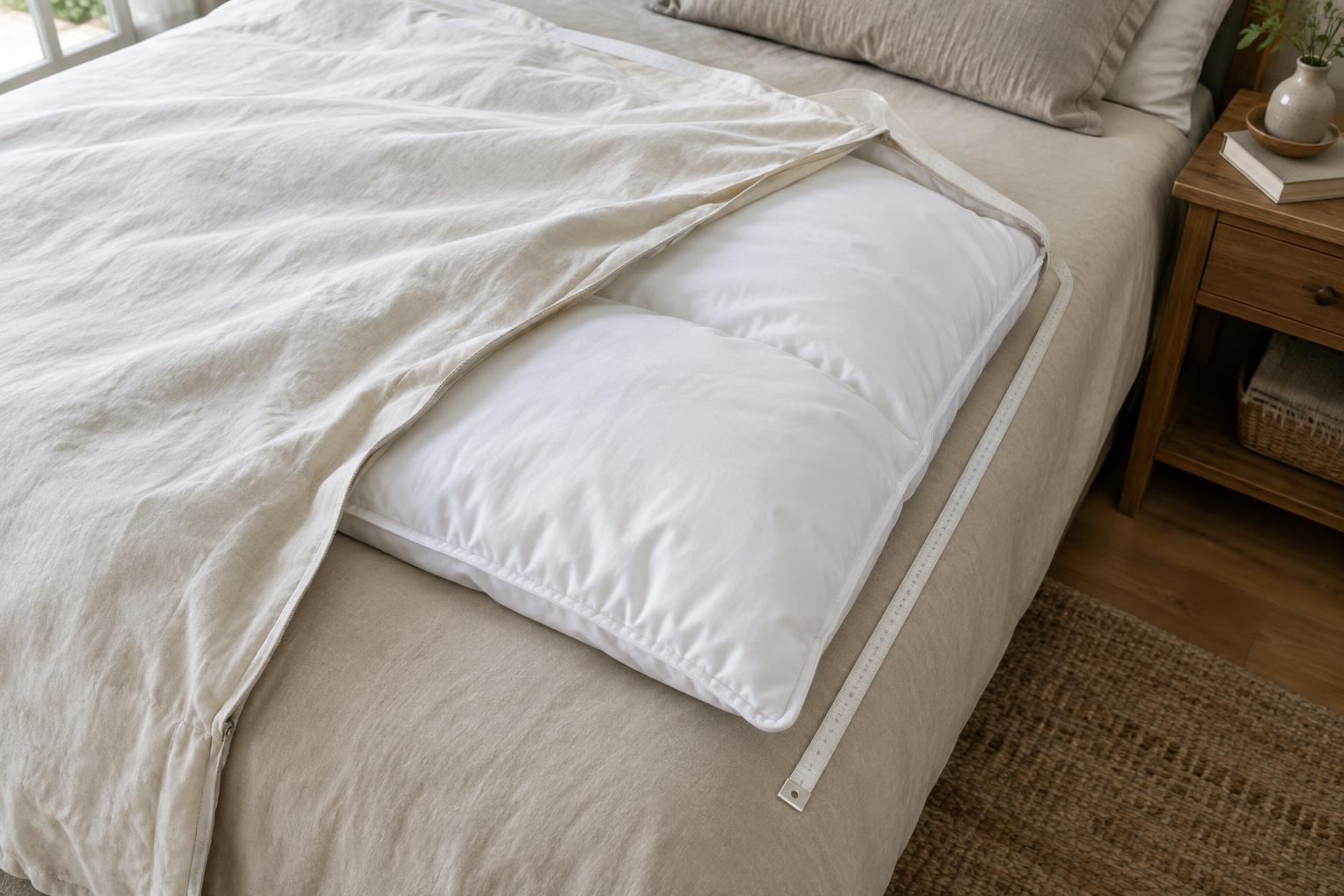
Curtains, throws and large covers pose another challenge: their size can prevent proper movement in a home machine. Read the label, account for linings and hardware, and check that the load fits comfortably. Whatever temperature you choose, the safest routine is consistent: identify the fabric, respect the coolest stated limit where appropriate, treat stains according to their type, and inspect the textile before applying drying heat.