Start with the fabric, not the cleaning tool
A little upkeep can make curtains feel fresher without repeatedly taking them down. First, check the care label and look closely at how they are made. A washable cotton panel, a lined curtain and a delicate sheer may all need different treatment. Linings, pleats, interlinings and trims can react differently from the face fabric, so the most cautious part of the curtain should guide your approach.
Before adding water or heat, inspect the curtains in daylight. Note dusty hems, marks near frequently touched edges and any fading where sunlight reaches the fabric. If the label calls for specialist cleaning, limit your between-cleaning routine to gentle dry methods unless you have reliable care guidance for that particular curtain. Freshening should reduce surface dust and stale air, not risk shrinking or distorting a panel.
Let fresh air do the easy work
On a dry day, open the windows for a while and draw the curtains so air can circulate around the folds. If the room is humid or outdoor air carries smoke, pollen or strong odors, choose another time. Airing is especially useful after cooking or when a room has been closed up, though it will not remove embedded dirt.
While the curtains hang, give each panel a gentle shake from the lower edge. This can loosen light dust, but avoid tugging on the heading, hooks or curtain rail. Leave space around the fabric when possible: a curtain pressed against a damp window or crowded behind furniture is less likely to dry and air evenly. Check for condensation near the sill as part of the same routine.
Remove dust from top to bottom
Use a vacuum with a clean upholstery attachment and low suction, if your machine allows it. Hold the fabric steady with one hand and work downward in short passes, paying attention to pleats, leading edges and hems. A mesh screen held between a very delicate fabric and the nozzle may help prevent the material from being pulled in, but skip vacuuming if the weave is fragile or loose.
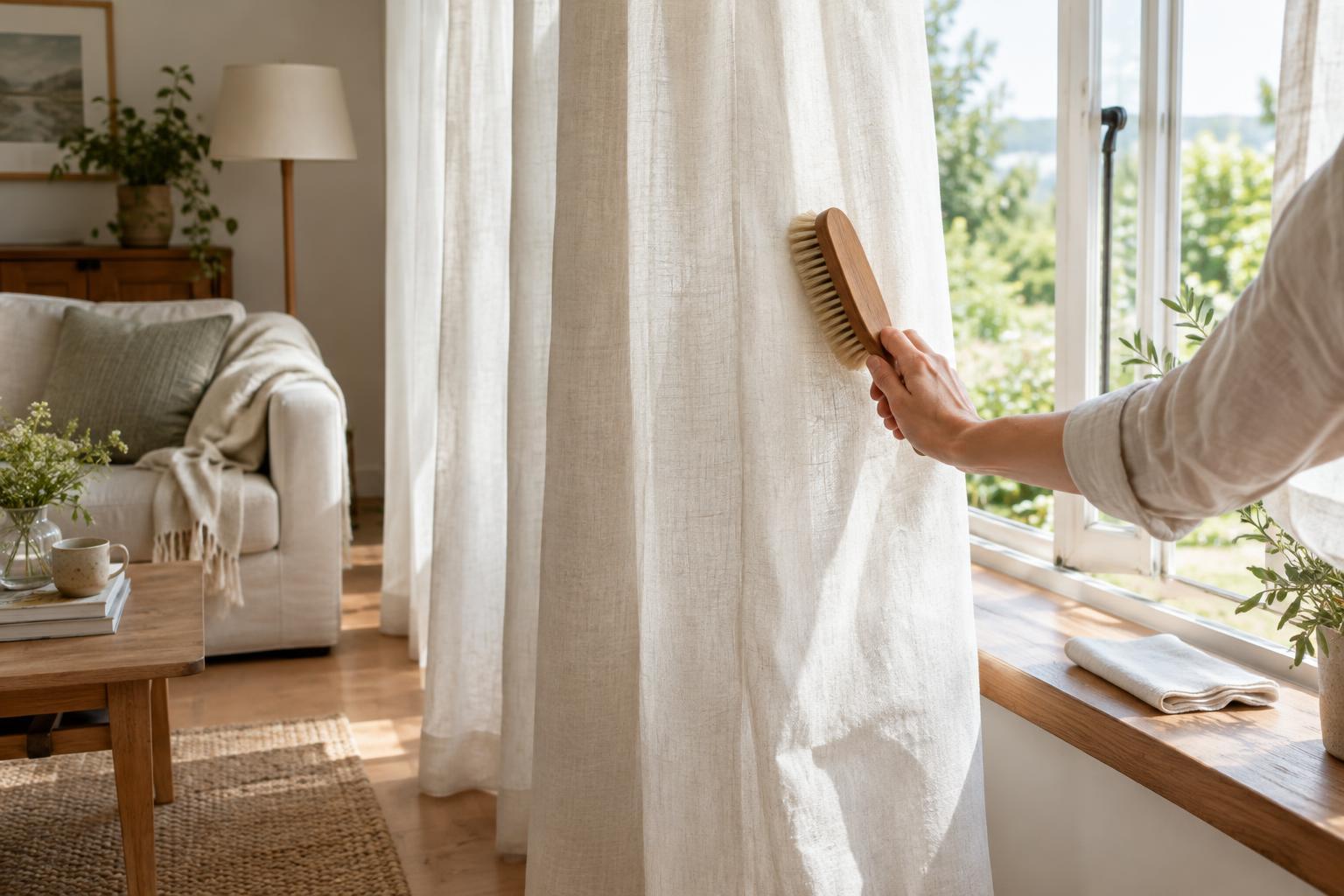
Dust the curtain pole, track and nearby window area as well. Otherwise, settled dust can quickly find its way back onto the fabric. For sheers or curtains with decorative details, a soft brush may offer more control than a vacuum. Work gently and stop if threads catch or embellishments move. Regular light dust removal is usually easier on a curtain than waiting until buildup needs more vigorous cleaning.
Treat small marks and odors cautiously
For a fresh, small mark on a curtain whose care instructions permit water, try blotting with a clean, barely damp white cloth. Work from the outside of the mark inward, and avoid rubbing. Test any water or cleaning product on an inconspicuous area first, then let the test spot dry fully before deciding whether to continue. Some fabrics develop water rings, while dyes, linings and finishes may respond unexpectedly.
If you use a fabric-safe cleaner, apply a small amount to the cloth rather than saturating the curtain. Keep moisture away from headings, seams and layers that may dry at different rates. Odor-covering sprays can leave residue or introduce a scent you do not enjoy; airing and dust removal are sensible first steps. A persistent musty smell or visible mold calls for finding the source of moisture, not simply masking the odor.
Know when a full clean makes more sense
Steam may relax creases and freshen some curtains, but it is not suitable for every fabric or lining. Check the care instructions, keep the steamer moving and avoid soaking one area. If you cannot confirm that heat and moisture are safe, leave the steamer aside. Let any treated curtain dry completely while hanging with good airflow.
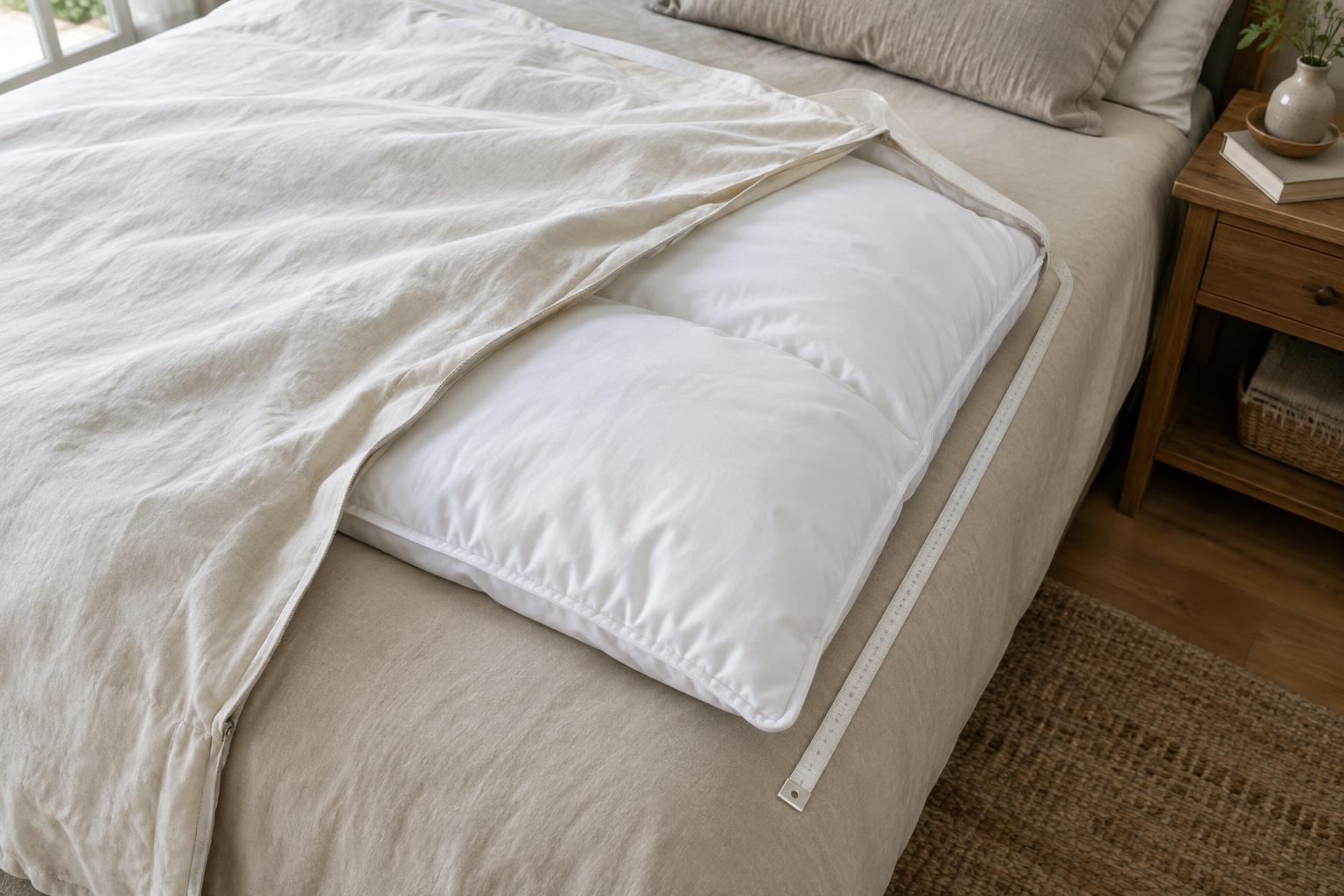
Between-wash care has its limits. Widespread staining, heavy dust lodged in folds or odors that return quickly are signs to consider a full clean suited to the curtain’s construction. Before washing or arranging specialist cleaning, measure the panels and check their labels again. A simple habit of airing, gentle dust removal and prompt attention to small marks can help keep curtains comfortable to live with between those deeper cleans.