Pause, then contain the spill
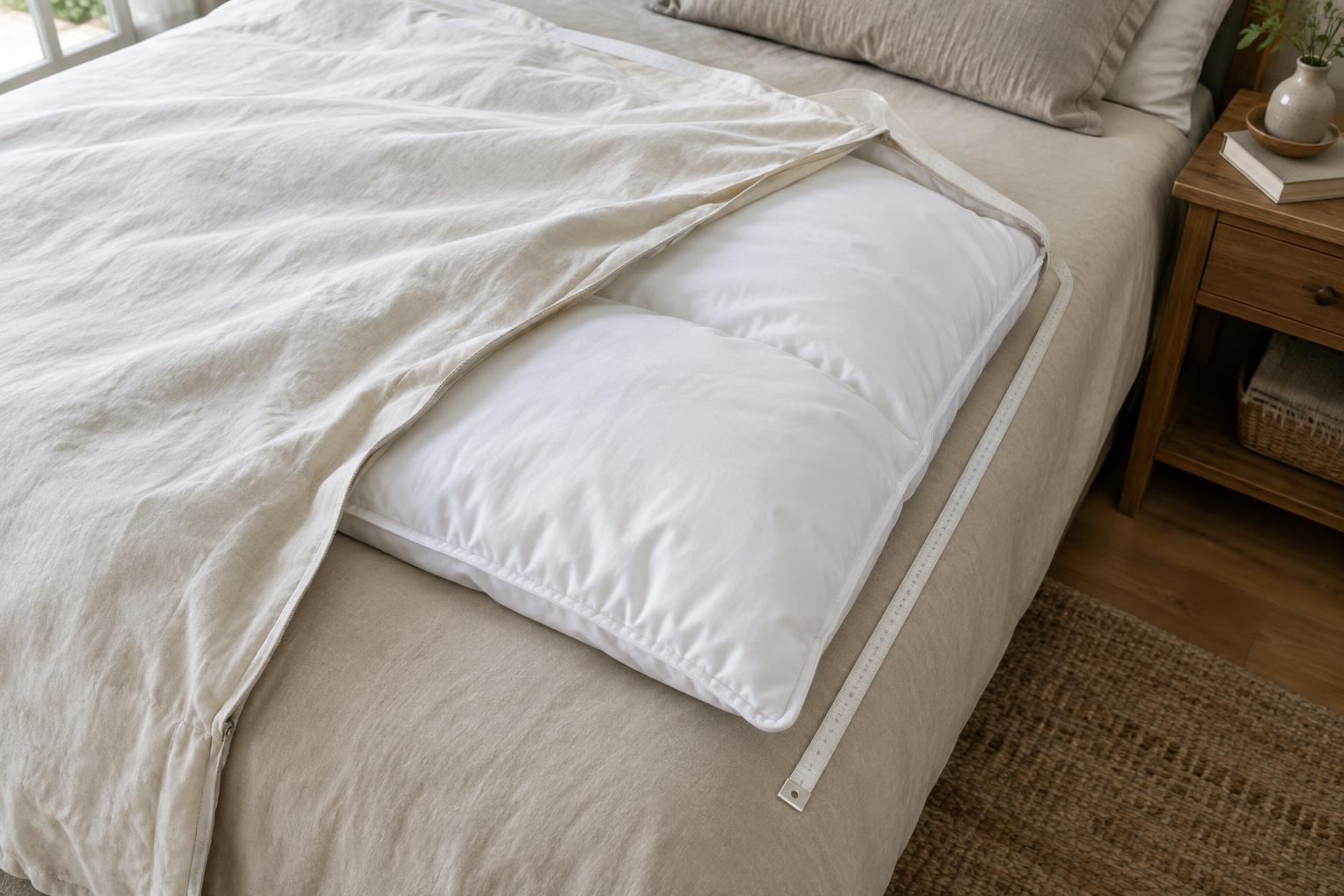
A fresh spill invites a quick scrub, but pressure and friction can drive liquid deeper into fabric or spread the mark. First, move anything that could transfer more color, such as a wet book or dyed napkin. If the spill is on a removable cushion cover or table textile, place a clean, absorbent towel beneath the affected area so liquid is less likely to reach the filling or surface below.
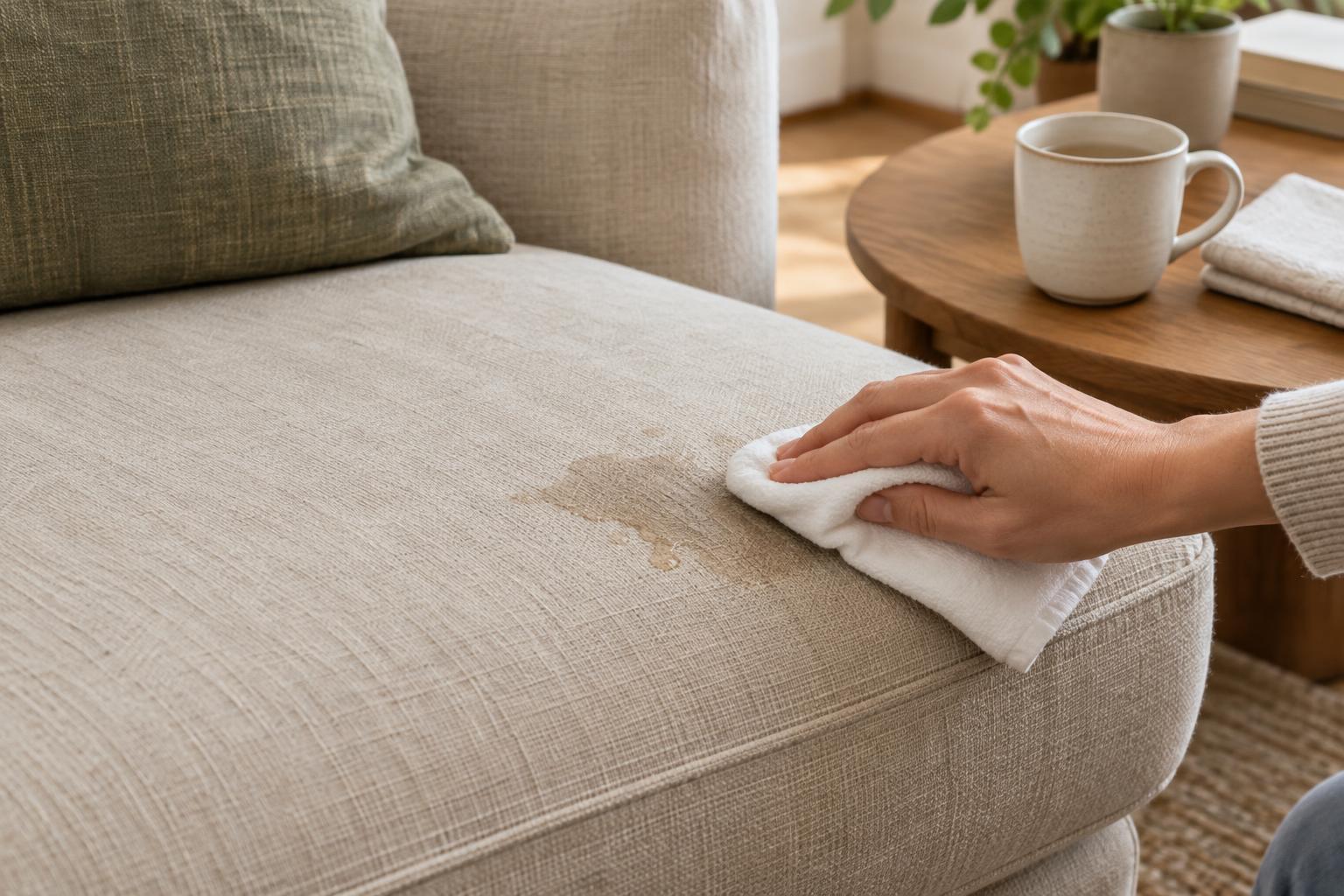
Lift solids with the edge of a spoon or a dull tool, working gently from the outside toward the center. For liquid, press a clean white cloth or plain paper towel onto the spot, lift it, and repeat with a dry area of the cloth. Blot rather than wipe. Change towels as they become damp; a saturated towel may put liquid back into the fabric. Avoid adding water or cleaner until you know what the textile can tolerate.
Identify what you are treating
Before choosing a cleaning method, check the care label and consider the fabric’s construction. A washable cotton cover offers different options from fixed upholstery, a lined curtain or a velvet cushion. Some fabrics can develop water rings, lose texture or transfer dye when damp. If a label calls for professional cleaning, treat that as a reason to limit your response to removing excess spill, not an invitation to experiment with household cleaners.
Try to identify the spill, too. Plain water, a greasy dressing and a strongly colored drink do not leave the same kind of mark. If you are unsure what landed on the fabric, begin with the least intrusive steps. Keep a note of anything you apply, particularly if someone else may need to clean the item later.
Test before you treat
If the care instructions permit a water-based approach, test it in a hidden place first. Dampen a white cloth with a small amount of cool water and press it lightly against the fabric. Let the area dry, then check for dye transfer, a change in texture or a visible ring. A test cannot guarantee that a larger area will respond identically, but it can reveal an obvious problem before you work on the spill.
For a washable item, follow its label rather than assuming hotter water or stronger detergent will work better. For suitable fixed upholstery, a little water on a cloth is usually easier to control than pouring it directly onto the seat. If mild detergent is appropriate, use a small, well-diluted amount and test that mixture as well. Avoid combining cleaning products or applying several treatments in quick succession; residue can be difficult to remove and may change the fabric’s appearance.
Work lightly and give the fabric time to dry
Treat the smallest practical area, using gentle presses and a clean part of the cloth each time. Work from the outer edge of the mark inward to reduce spreading. If the fabric allows rinsing, use a separate cloth lightly dampened with water to lift any detergent residue. Then blot with a dry towel. The aim is to remove the spill without soaking the backing, cushion filling or curtain lining, where trapped moisture can take much longer to dry.
Allow the textile to air-dry with good airflow before judging the result. Avoid a hair dryer, iron or other direct heat while a stain remains: heat may make some marks harder to remove and can affect delicate fibers or finishes. Keep removable covers off their inserts until both are dry, unless their care instructions say otherwise. A faint mark may become more visible as the area dries, so resist repeating treatment while the fabric is still damp.
Know when to stop
Stop if color appears on your cloth, the fabric’s texture changes, the mark grows, or moisture seems to be reaching the padding. Delicate materials such as silk or velvet, unknown dyes, and heavily lined or structured furnishings call for particular caution. The same applies to a large spill that has soaked through: cleaning the visible surface may not address what is underneath.
If careful blotting and a permitted first treatment do not help, let the fabric dry and consider a cleaner experienced with that type of textile. Tell them what spilled and what you have already used. For everyday care, keeping plain white cloths close at hand and knowing where an item’s care label is can make the next spill easier to handle. The best first response is rarely the strongest one; it is the one that removes excess mess while leaving the fabric in good condition for the next step.