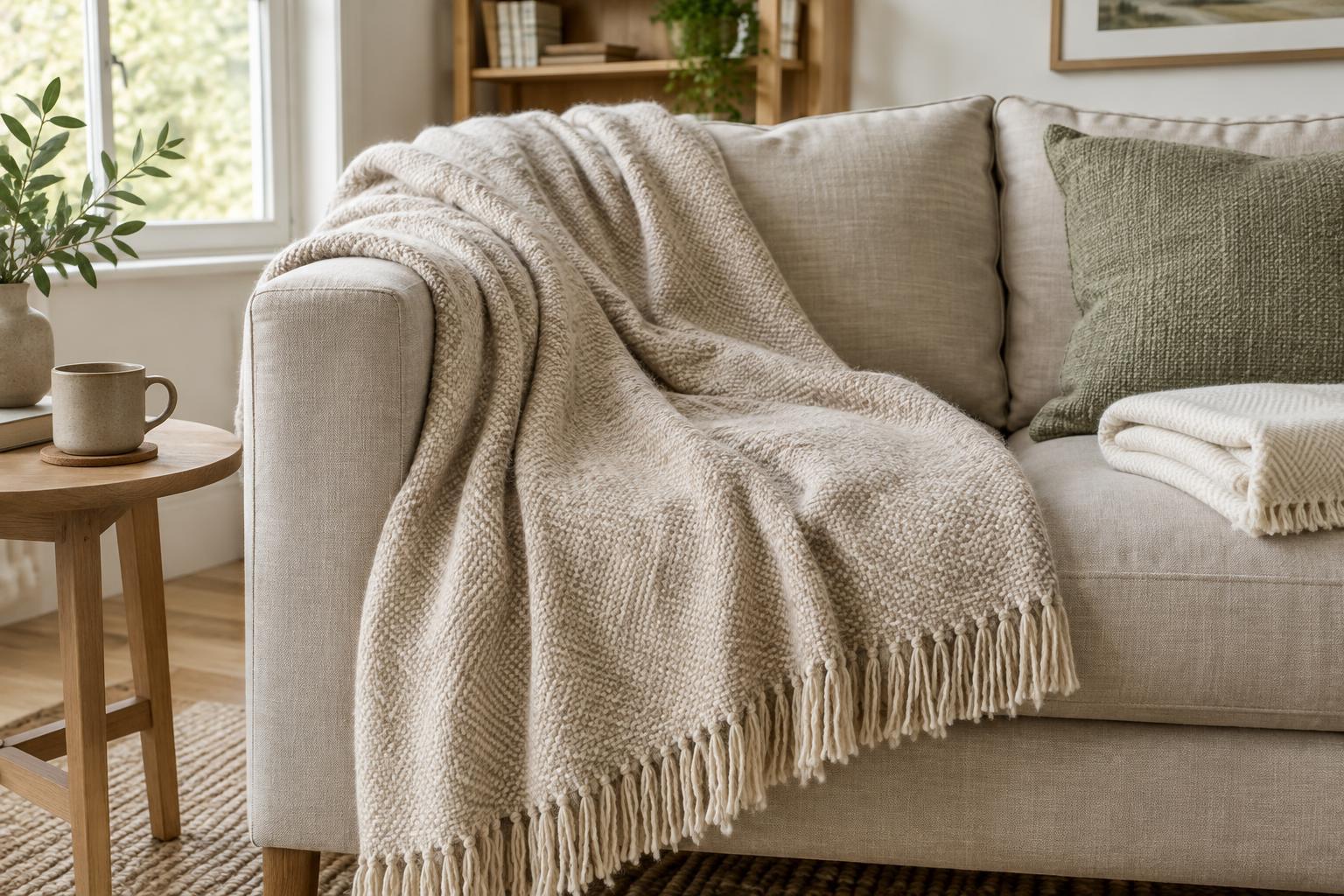
What the two designs mean
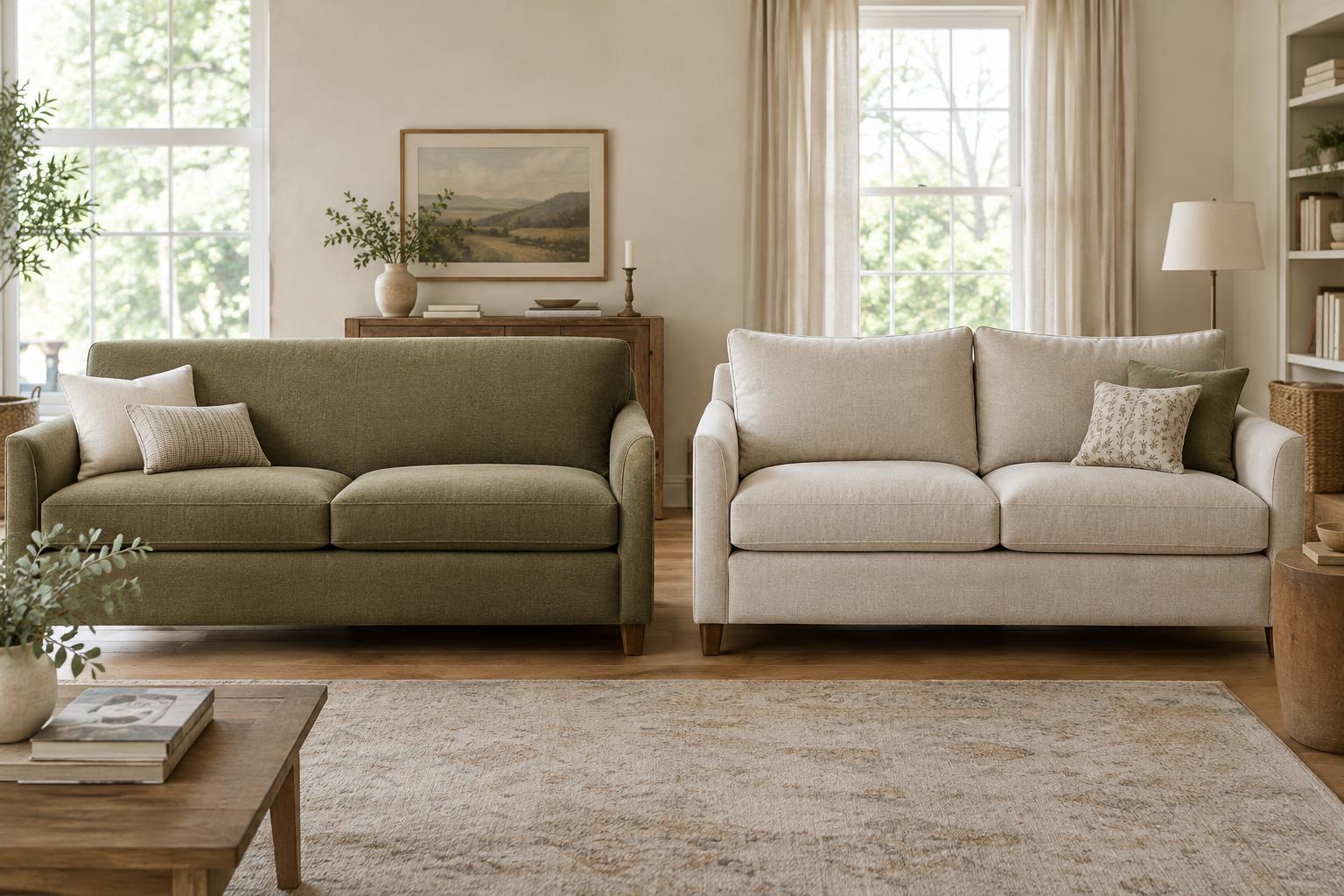
A tight-back sofa has upholstery fitted over its back rather than separate, removable back cushions. The back may be smooth, tufted or shaped, with padding built into the upholstered structure. A loose-back sofa has individual cushions that rest against the frame. Those cushions may be boxed and tailored or softer and more relaxed.
These labels describe construction, not a guaranteed level of comfort. A tight back can feel gently padded or quite firm; a loose back can offer substantial support or allow you to sink in. The seat cushions, frame shape, upholstery fabric and filling all affect the experience. Start with the back style as one useful clue, then judge the complete sofa.
How each style feels when you sit
A tight back provides a consistent surface that stays in place when someone sits down or gets up. If you prefer to sit upright, its predictable shape may appeal to you, especially when paired with a seat that is not too deep. You cannot rearrange the back to change your position, though you can add a small pillow for more targeted support.
Loose back cushions give you more flexibility. You can shift a cushion, add a pillow behind it or sometimes remove it to gain extra seat depth. This can suit people who like to lounge, but cushions may slide or compress during use. If you often sit at one end, that spot may need regular attention to keep it feeling even.
When testing either design, sit as you would at home rather than only perching on the front edge. Check whether your feet rest comfortably, whether the seat depth works without extra pillows, and where the back meets your shoulders. If several people will use the sofa, ask them to try it too. A style that looks inviting from across the room may not fit everyone equally well.
The effect on a room
Tight-back sofas tend to hold a defined outline. Without back cushions to straighten, they can look orderly even after a busy day. A smooth back can make a room feel visually calm, while tufting or shaped upholstery adds detail without introducing separate cushions. The trade-off is that the built-in back cannot be easily restyled if you later want a different silhouette.
Loose-back sofas have a softer, more changeable appearance. Plump cushions can make a room feel welcoming, and you can adjust their placement when arranging throws or accent pillows. They may also look rumpled after use, particularly if the cushion filling is soft. Neither effect is inherently better: consider whether you enjoy a lived-in look or would rather have a sofa that appears neat with little effort.
Upkeep and wear to consider
A tight back has no separate back cushions to fluff or put back in place. Its surface can still collect dust and show wear where people regularly lean. Because the padding is built in, addressing a flattened area may be less straightforward than adjusting or replacing a removable cushion. Seams, tufting and any crevices also need attention when vacuuming.
Loose back cushions usually benefit from regular fluffing and repositioning. If their construction allows it, rotating cushions can help distribute use; check before flipping one, since some have a finished front but a different reverse. Removable cushions also make it easier to reach crumbs along the back of the seat. Removable cushion covers, however, are not necessarily washable. Follow the sofa’s care label and test any permitted cleaning method in an inconspicuous area.
Choosing the better fit
Think about the routine you want to live with. A tight back is worth considering if you value a stable sitting surface and a tidy outline without daily cushion arranging. A loose back may be a better match if you like adjusting your position and do not mind plumping cushions to maintain their shape. For either style, inspect the upholstery and seams, then ask what the cushion filling is and what care it requires.
Finally, compare specific sofas rather than relying on the category name alone. Sit for more than a moment, stand up and look at how the sofa settles afterward. Picture it in your room at the end of an ordinary day. The best choice is the one whose comfort, appearance and upkeep all fit the way you actually use your space.