What an abrasion rating measures
An upholstery abrasion rating describes how a fabric sample performed in a controlled rubbing test. A machine repeatedly moves the sample against a specified surface, and the test records how much rubbing it withstands before reaching a defined endpoint. Depending on the method and material, that endpoint may involve visible wear or broken yarns. The rating offers useful evidence about one kind of durability: resistance to repeated surface friction.
Two methods you may see on fabric labels are Martindale, which reports cycles, and Wyzenbeek, which reports double rubs. Their machines move differently and use different testing procedures. A Martindale cycle is not the same unit as a Wyzenbeek double rub, so the numbers should not be converted or compared directly. If you are weighing two fabrics, first check which test produced each result.
Why a bigger number is not the whole story
Within the same test method, a higher abrasion result generally suggests greater resistance to the rubbing performed in that test. It does not promise that the fabric will look better in every home or last for a particular number of years. Daily use combines rubbing with pressure, body oils, spills, sunlight, cleaning and movement across seams. A laboratory sample cannot reproduce every combination.
Appearance can also change before a fabric reaches the test’s endpoint. A surface might develop pills, a flattened nap or a shiny patch while remaining structurally intact. Conversely, a fabric with a modest-looking rating may perform satisfactorily on a chair that is used gently. Treat the number as one comparison point, not as a prediction of the date you will need to reupholster.
What the rating leaves out
Abrasion testing does not, by itself, tell you how readily a fabric stains or how easily a stain can be removed. It does not establish whether dyes will resist fading near a bright window or transferring onto other materials. Nor does it measure every form of pilling, snagging or seam stress. A fabric may score well for rubbing yet catch on pet claws, show marks in its pile or require a cleaning method that does not suit your household.
The finished piece matters too. Cushion shape, padding, seam placement and how tightly the fabric is fitted can affect where wear becomes noticeable. Loose covers may shift and wrinkle; sharply defined edges may concentrate friction. None of these features is captured by a single abrasion figure for a flat fabric sample.
How to compare fabrics more usefully
Start with the intended location. A family-room sofa, an occasional bedroom chair and a decorative headboard face different kinds of contact. For a frequently used seat, look for abrasion information, but also ask for the fabric’s cleaning instructions and any available results for pilling and colorfastness. If the listing gives only an impressive number, find out which method was used and whether the result applies to the exact fabric and finish you are considering.
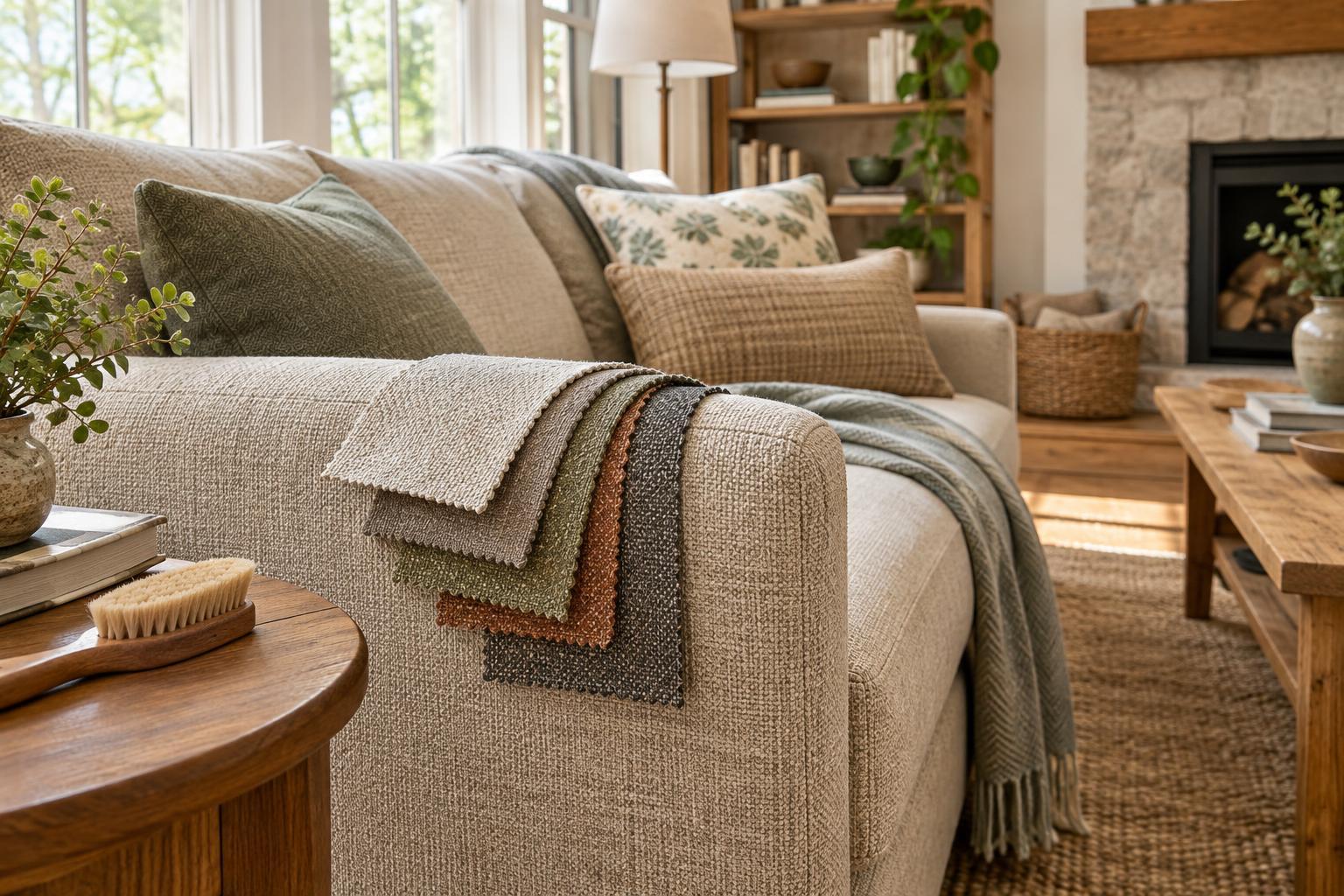
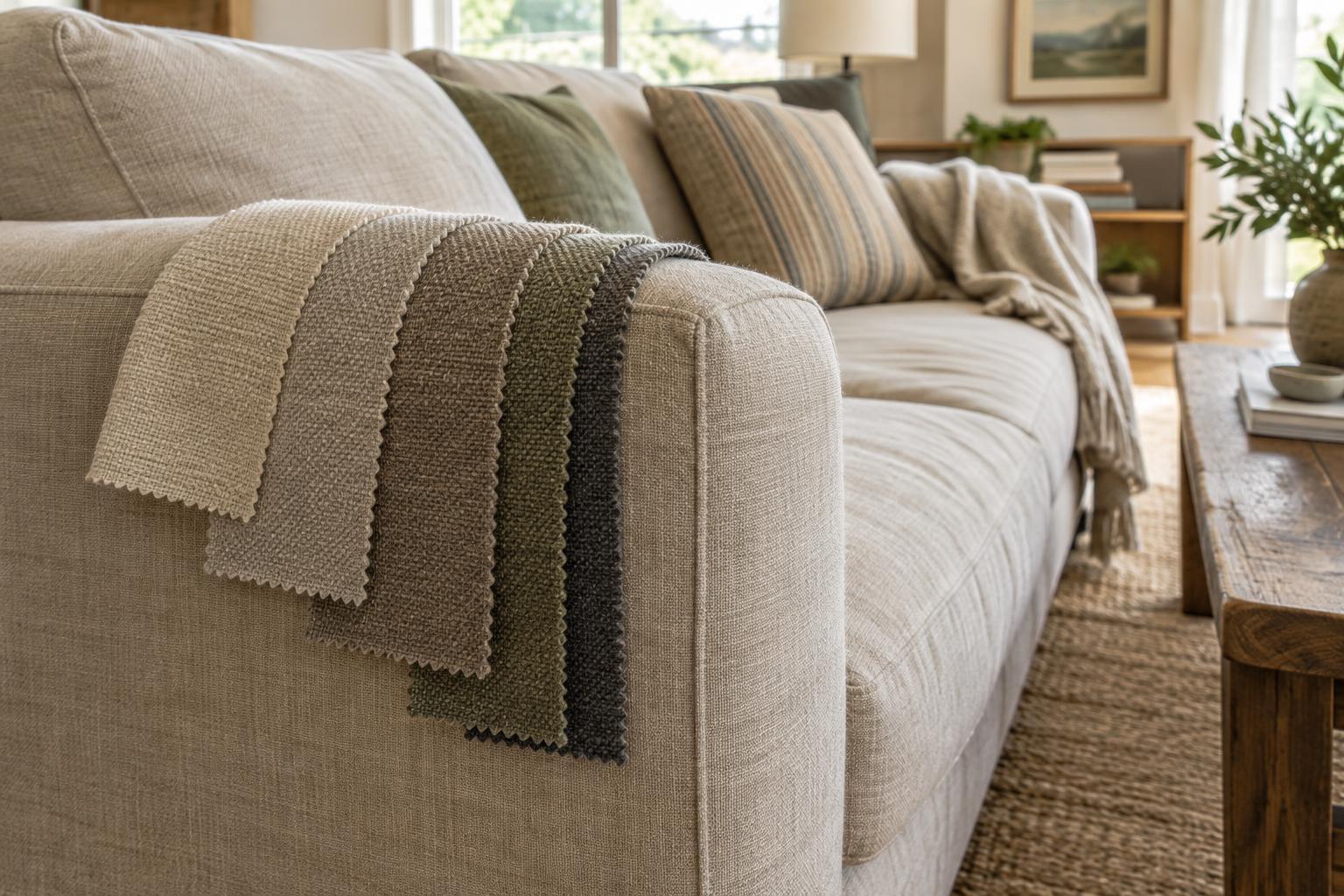
Requesting a sample can reveal qualities a rating cannot. Rub it lightly, bend it, and view it in the room at different times of day. Notice whether the weave snags easily, whether the texture emphasizes every change in direction, and whether the color works with the room’s light. A sample cannot recreate years of use, but it can help you spot features that might bother you from the start.
When comparing two options, keep like with like: the same test method, similar intended use and, where possible, comparable information about care. Avoid choosing solely because one fabric has the largest abrasion figure. A slightly lower-rated fabric with a suitable texture and manageable care requirements may be the more practical choice for your room.
Use the number as a question, not a promise
An abrasion rating is most helpful when it prompts specific questions. Which test was used? What signs of wear marked the endpoint? Are there separate findings for pilling or colorfastness? What cleaning methods does the maker permit? Answers to those questions give the number context.
Once the fabric is in use, simple habits still matter: remove grit before it is ground into the surface, follow the care label when addressing spills, and rotate loose cushions if the furniture design allows it. Abrasion ratings can narrow a choice, but thoughtful selection and appropriate upkeep are what make a fabric fit the way you live.