What each cover is for
A pillowcase is the removable cover most people use on a pillow they sleep on. Its main job is to keep the pillow more comfortable to use and easier to care for: the case can be taken off and washed more often than the pillow itself. Pillowcases are usually sold with sheet sets or as separate bedding basics, and their designs tend to favor a smooth surface against the face.
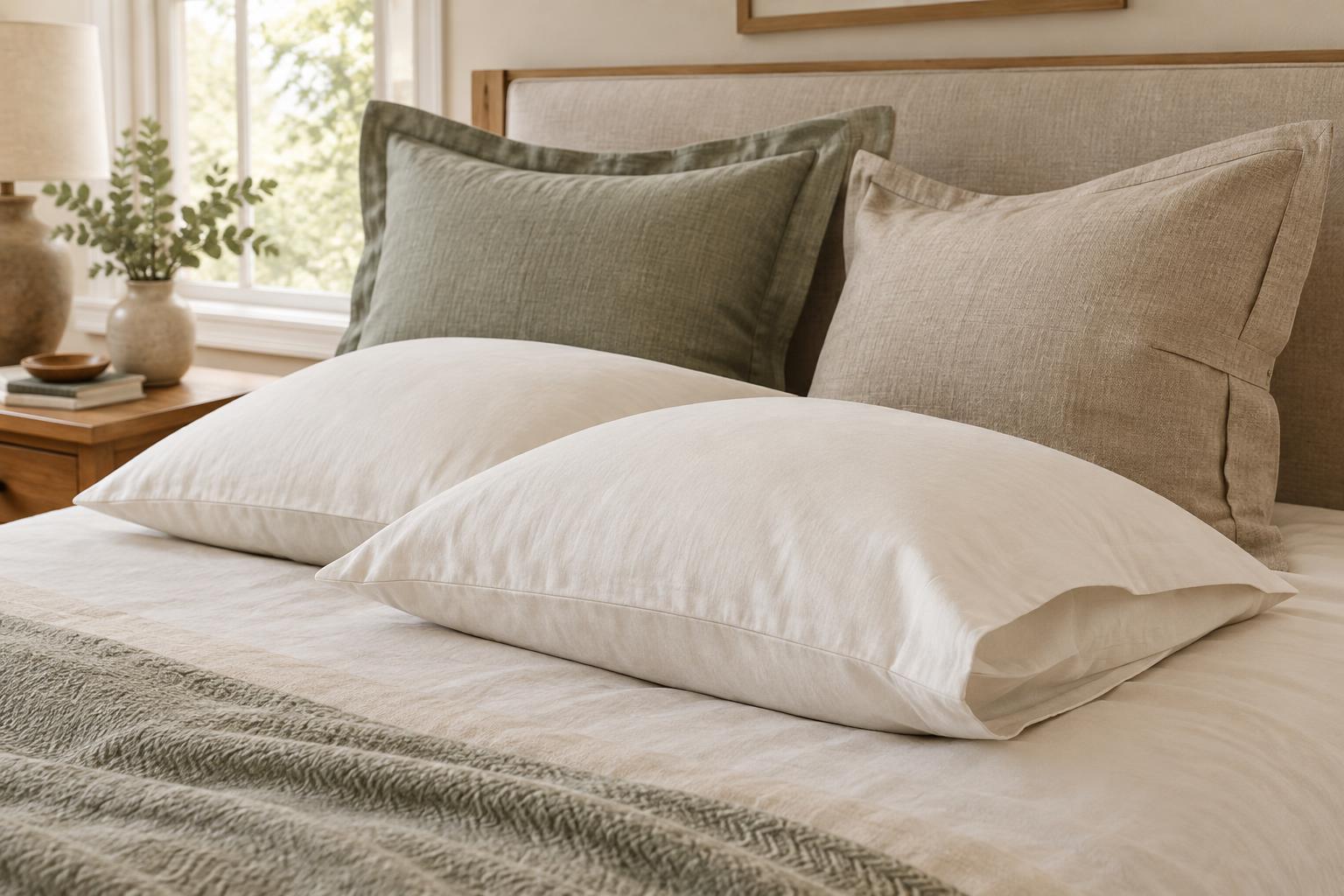
A pillow sham is generally a decorative cover for a pillow displayed on the bed. Shams may have a tailored border, piping, embroidery or a textured front that coordinates with a duvet or quilt. You can rest against a sham-covered pillow while reading, but a heavily embellished sham may not be pleasant to sleep on. For everyday sleeping, many people put their regular pillows in pillowcases and place sham-covered pillows in front of or behind them during the day.
The names describe typical uses, not strict rules. A plain sham can be comfortable enough for sleep, and a patterned pillowcase can be part of the room’s decoration. The useful question is whether the cover feels good against skin, comes off easily and suits how often you expect to wash it.
How to compare sizes
Pillowcase sizes are commonly described by the pillows they are intended to fit, such as standard, queen or king. Shams may use those same names, while square decorative shams are often called euro shams. Those labels are a starting point rather than a guarantee: finished dimensions, border widths and fit can vary by maker. Check the measurements on the cover and compare them with the pillow insert you own.
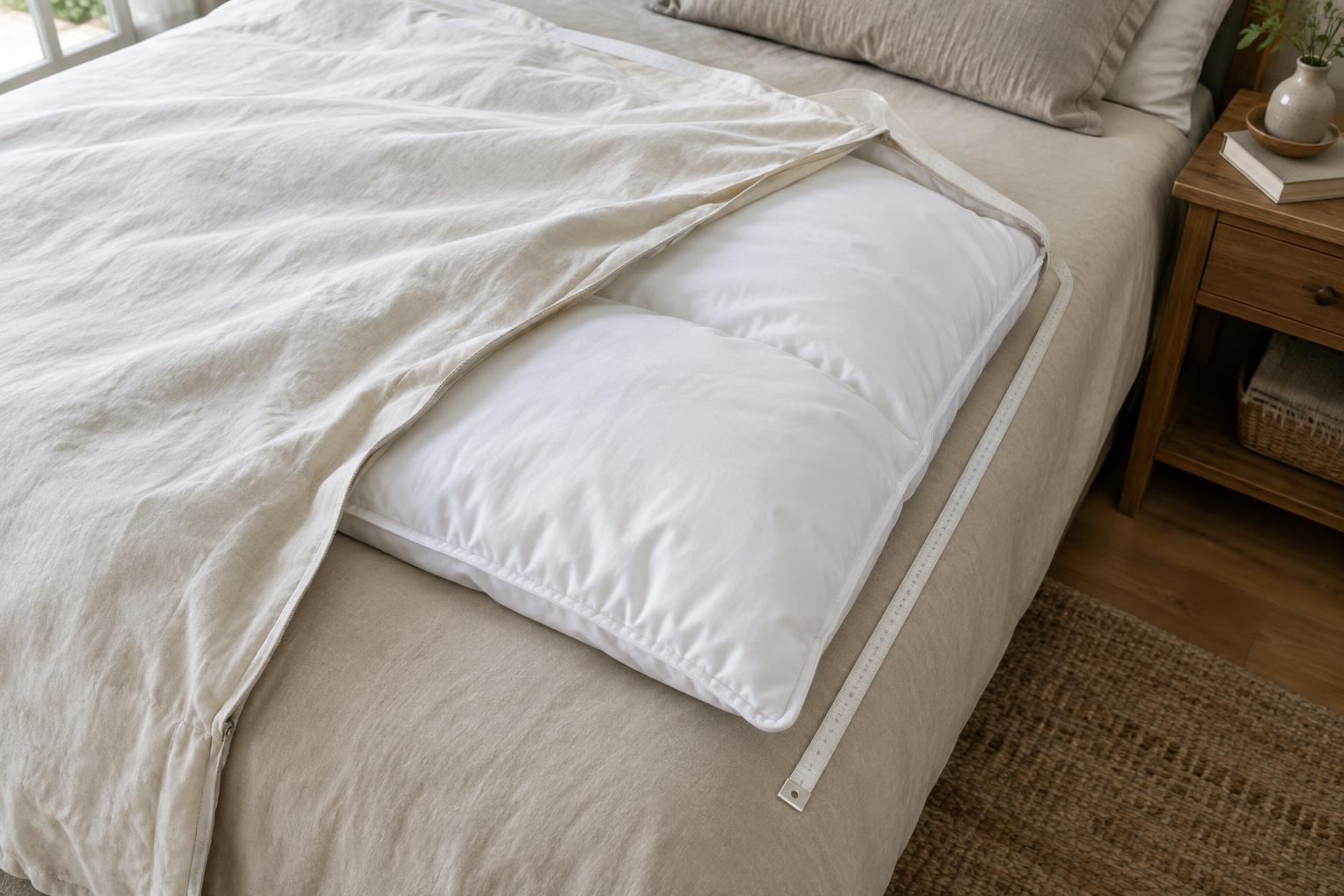
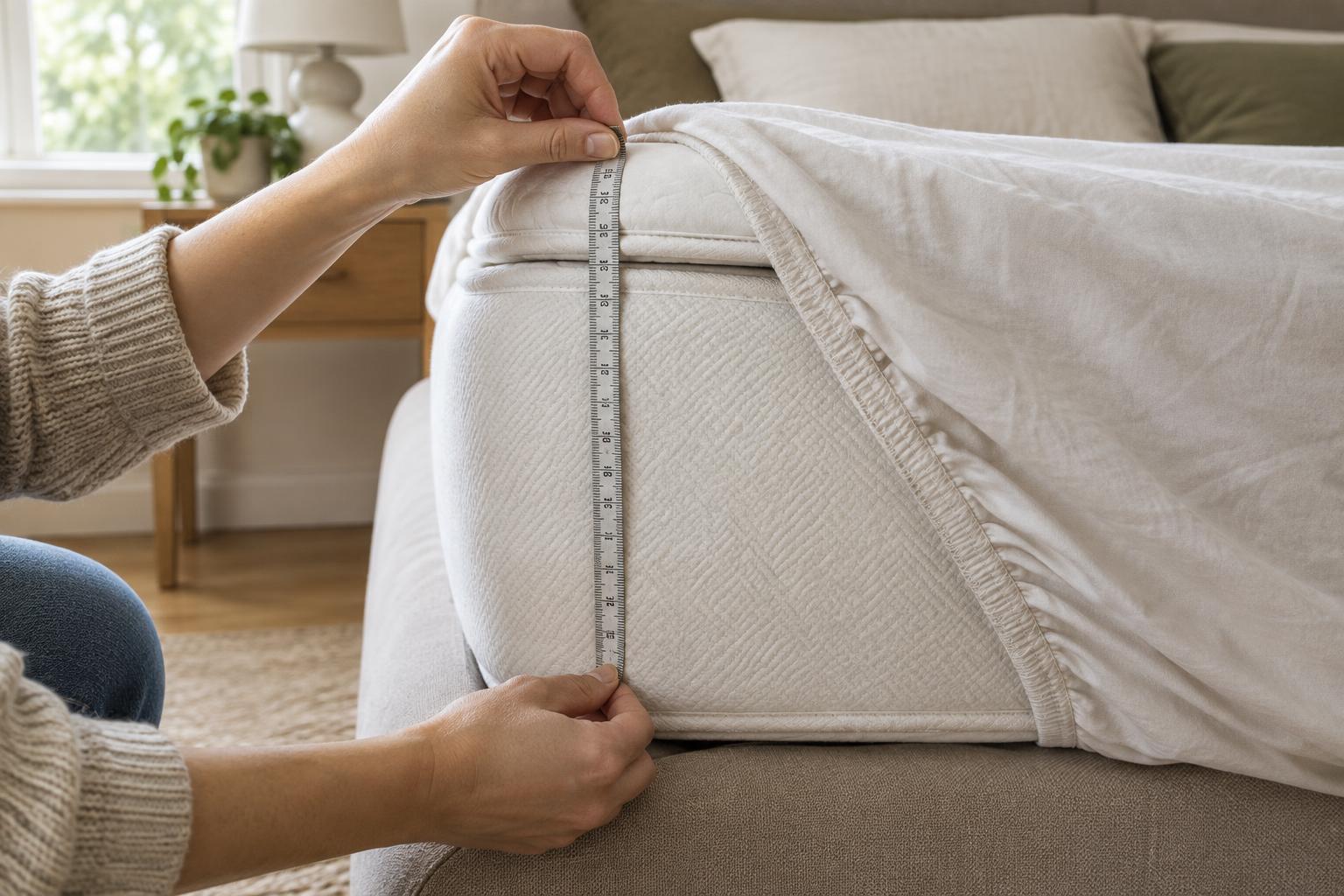
Measure the pillow from seam to seam while it lies flat, without stretching it. Then look for the sham’s inner pocket dimensions, not just its overall dimensions. A flanged sham has fabric extending beyond the pocket on all sides, so its full width includes the decorative border. If only an overall measurement is listed, it may be hard to tell how much room the insert will have.
Fit affects the finished look. An insert that is too small can leave loose corners and a drooping front; one that is too large can strain the seams or make the closure gape. A gently full fit often looks tidy in a decorative sham, whereas a sleeping pillow should still feel comfortable inside its case. If a cover or insert is likely to shrink in laundering, follow its care instructions before judging the final fit.
Closures and the look they create
Many pillowcases have an open end, making them quick to remove for frequent washing. Some have an inner envelope flap that folds over the end of the pillow and helps keep it tucked away. For a sleeping pillow, consider whether a closure adds a ridge or hardware where your head might rest.
Shams often close on the back with overlapping fabric panels, sometimes called an envelope or overlap closure. This keeps the opening out of sight when the pillow is displayed. Other shams use buttons, ties or zippers. Buttons and ties can contribute to the design but may take longer to fasten; a zipper can create a neat edge if it is placed and finished carefully. Before buying, check photographs or a product description for the closure location rather than assuming it will be hidden.
The closure also affects upkeep. An ample overlap can keep an insert from showing, but it should still allow the pillow to be removed without tugging at the seams. If a sham has trim near the opening, handle it gently when changing the insert.
Choosing fabrics for comfort and care
For a pillowcase used nightly, prioritize a fabric that feels comfortable against your skin and fits your laundry routine. Smooth cotton, linen and other washable bedding fabrics can all work, though they differ in texture, wrinkling and how they feel after repeated washes. Pay attention to the actual weave and finish as well as the fiber name: two covers made from the same fiber can feel quite different.
A sham gives you more freedom to choose visual texture. Quilting, velvet-like pile or embroidery can add depth to a bed, especially when the rest of the bedding is simple. Those details may also require gentler washing or slower drying. Check the care label before pairing a decorative sham with pillows that are used every night. A washable sham with a restrained design is often easier to live with than one that needs special handling.
Neither type of cover replaces a pillow protector if your aim is an additional barrier around the pillow. A protector sits beneath the pillowcase or sham and may be useful when you want an extra removable layer. Make sure every layer fits without compressing the pillow more than you like.
An easy way to use both
Start with the pillows you actually sleep on. Give them comfortable, easy-care pillowcases, and keep spare cases available so a wash day does not leave the bed unfinished. If you want a more layered appearance, add one or two sham-covered pillows that suit the scale of the bed. You do not need a separate decorative pillow for every sleeping pillow.
When making the bed, place sleeping pillows where they are easy to retrieve, then arrange the shams where their fronts are visible. At night, move decorative pillows to a clean, dry spot rather than dropping them on the floor. This small habit helps keep the bed practical as well as inviting.
Wash pillowcases according to their care labels and your household’s needs. Wash shams when they become dusty or soiled, and check trim, fastenings and seams before laundering. With the right fit and a manageable care routine, pillowcases can handle daily comfort while shams provide the finishing touch.