Three names, three useful starting points
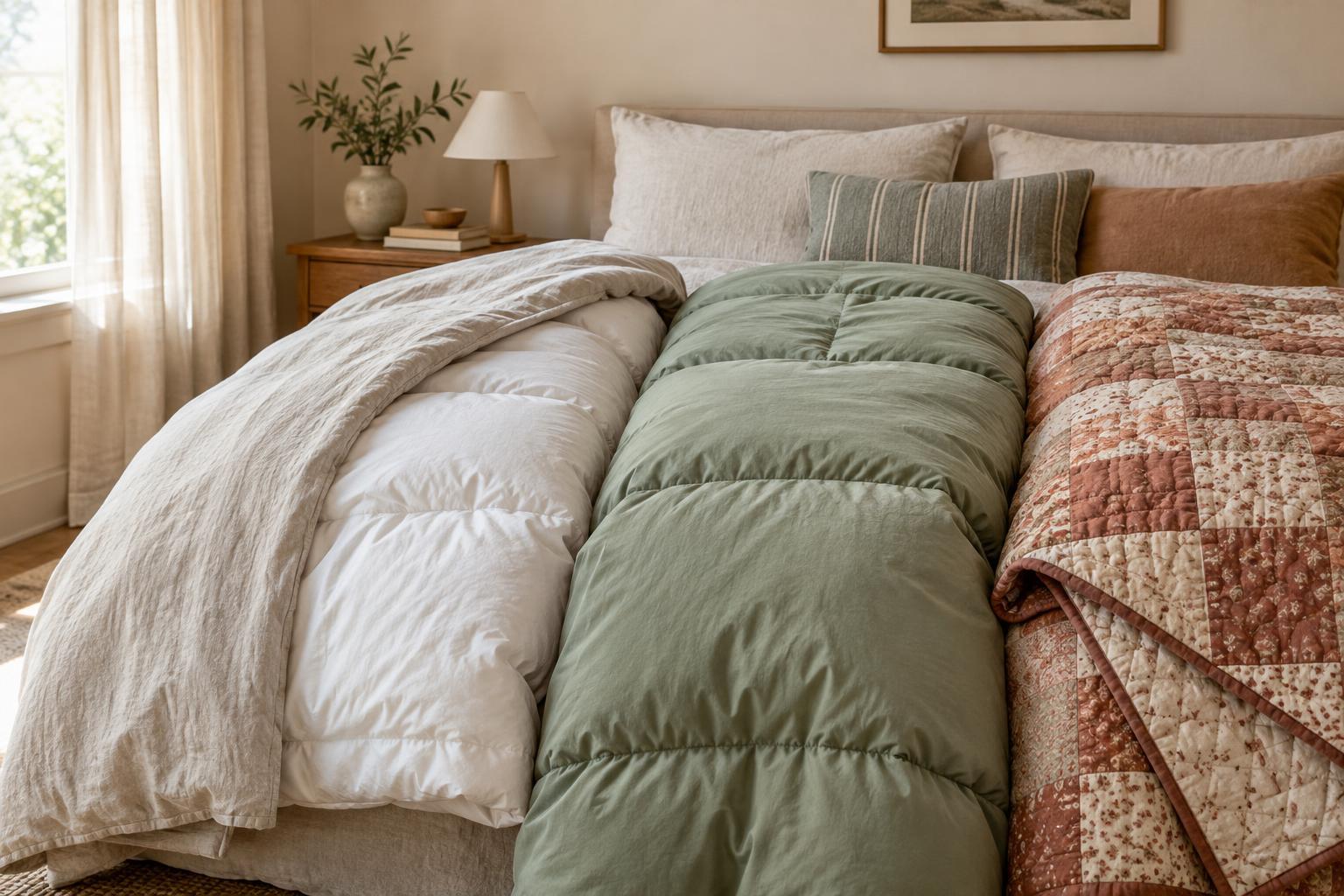
A duvet is usually a filled insert designed to go inside a removable duvet cover. A comforter is a filled bedcover with a finished outer fabric that is generally used without a separate cover. A quilt is typically made from layers of fabric and a thin layer of batting, held together by stitching. All three serve as top layers, but they create different looks and upkeep routines.
The names are not perfectly consistent across shops or regions. You may see a duvet insert sold as a comforter, for example, or a lightly filled comforter described as a quilt. Rather than relying on the label alone, check the construction, whether a cover is intended, and the care instructions before buying.
How each one is put together
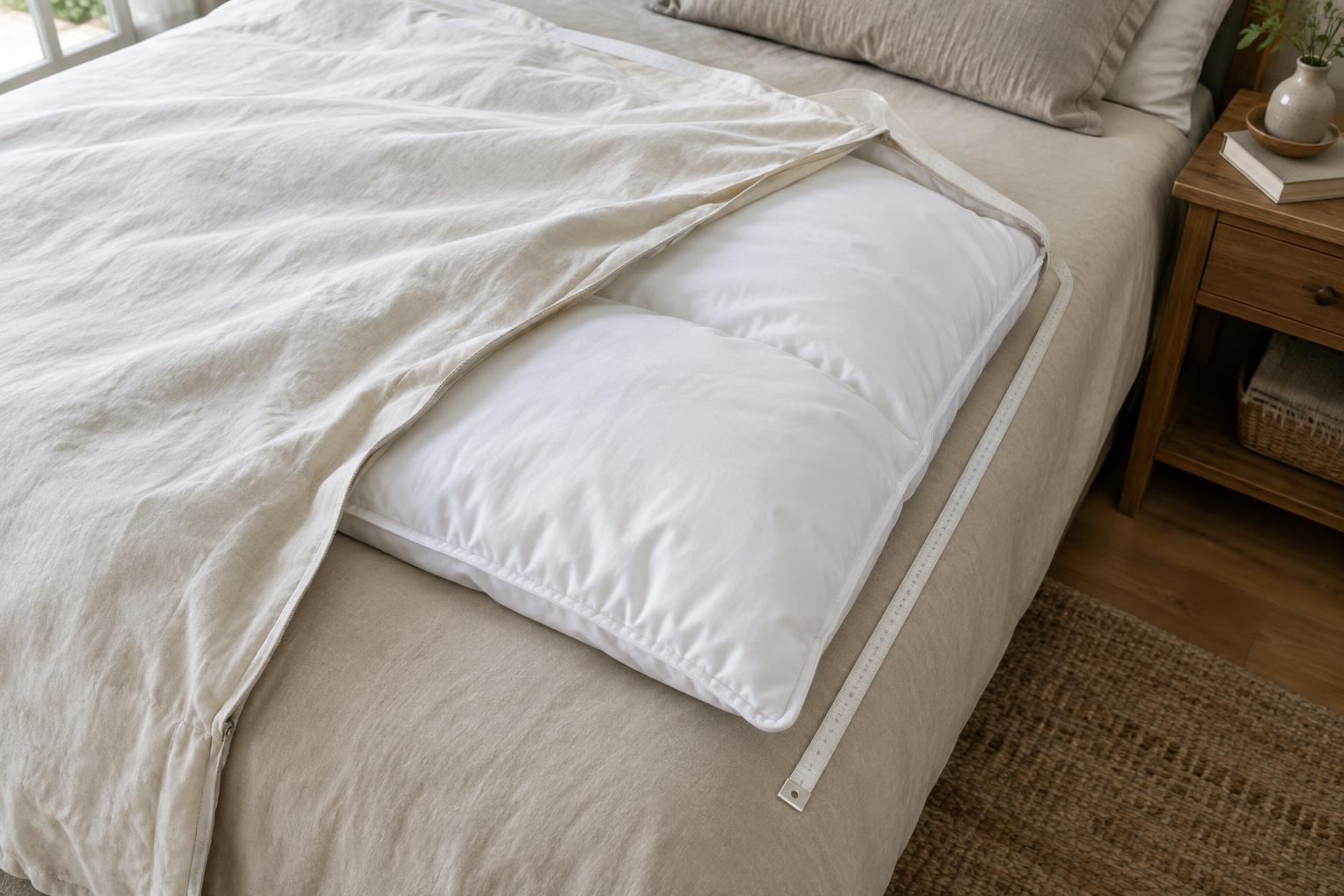
A duvet insert has an outer shell filled with down, feathers or a synthetic material. Stitched compartments help keep that fill distributed. The insert is slipped into a cover, which can be removed for washing or changed when you want a different color or texture. Some inserts and covers have corner ties or loops to limit shifting, though these details vary.
A comforter also has a shell and fill, but its visible fabric is part of the finished piece. Stitching keeps the fill in place, and the comforter can be spread directly over the bed. Because its appearance is built in, changing the look usually means swapping the whole comforter or adding another decorative layer.
A quilt is generally flatter than the other two. Its stitched layers may include a patterned top, batting and a backing fabric. Quilting stitches are both functional and decorative: they secure the layers while adding texture. Some quilts are made primarily for warmth, while others work best as a light cover or an extra layer at the foot of the bed.
Choosing for warmth, weight and appearance
Start with how warm you tend to feel at night and whether your bedroom temperature changes with the seasons. Duvets and comforters come in a range of fill types and weights, so neither is automatically warmer. A lofty insert may feel cozy without being especially heavy, while a densely filled piece can have more weight. A quilt often provides less insulation on its own, but it can be easy to pair with sheets or blankets.
Think about how you like a made bed to look. A duvet under a cover tends to give a soft, full appearance, and the cover offers a straightforward way to change the room’s palette. A comforter provides a similarly cushioned look with fewer separate pieces to arrange. A quilt usually lies closer to the bed, making it a good choice if you prefer visible stitching, a tidier outline or flexible layering.
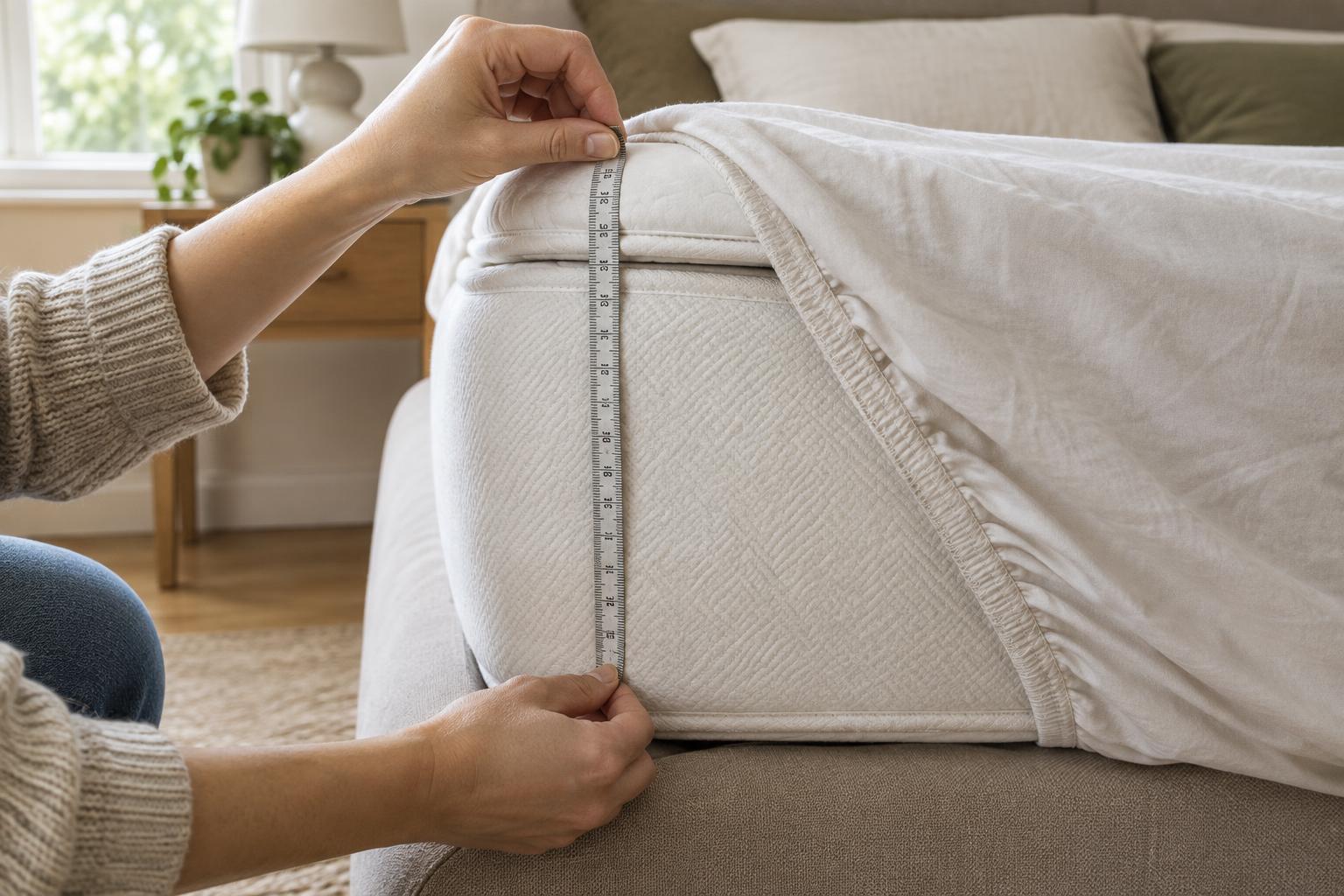
Check dimensions as well as the size name on the package. A generous drop at the sides can make a bed look more covered and may help when two people share it. Mattress depth, bed height and your preference for tucking or draping all affect the fit.
What care looks like in everyday use
A duvet cover takes most of the direct contact from sleepers, so it can be removed and washed separately from the insert. That can make routine laundering simpler, especially if the insert is bulky. The trade-off is the extra step of putting the cover back on and straightening the insert inside it.
A comforter has no separate cover to remove, so washing it means cleaning the whole piece. Before choosing one, check its care label and consider whether it will fit comfortably in your washing machine and dry thoroughly. The same practical check matters for quilts, particularly large or delicate ones. Follow the label rather than assuming every cotton quilt or synthetic-filled comforter can be treated alike.
Between washes, air bedding when practical and address small spills promptly according to the fabric’s care guidance. Avoid packing any of these layers away while damp, since trapped moisture can leave them smelling musty. For pieces with visible seams or stitching, occasional checks for loose threads can help you catch minor wear before it spreads.
A simple way to decide
Choose a duvet if you want to change the visible fabric without replacing the filled layer and do not mind handling a separate cover. Choose a comforter if you prefer a ready-to-use, cushioned top layer and have a workable way to clean it. Choose a quilt if you want a flatter profile, decorative stitching or a layer you can add and remove as temperatures change.
You do not have to settle on just one. A light quilt over a duvet can add texture, and a folded quilt can offer extra warmth alongside a comforter. The most useful choice is the one that fits your sleeping preferences, laundering routine and the way you like your bed to feel.