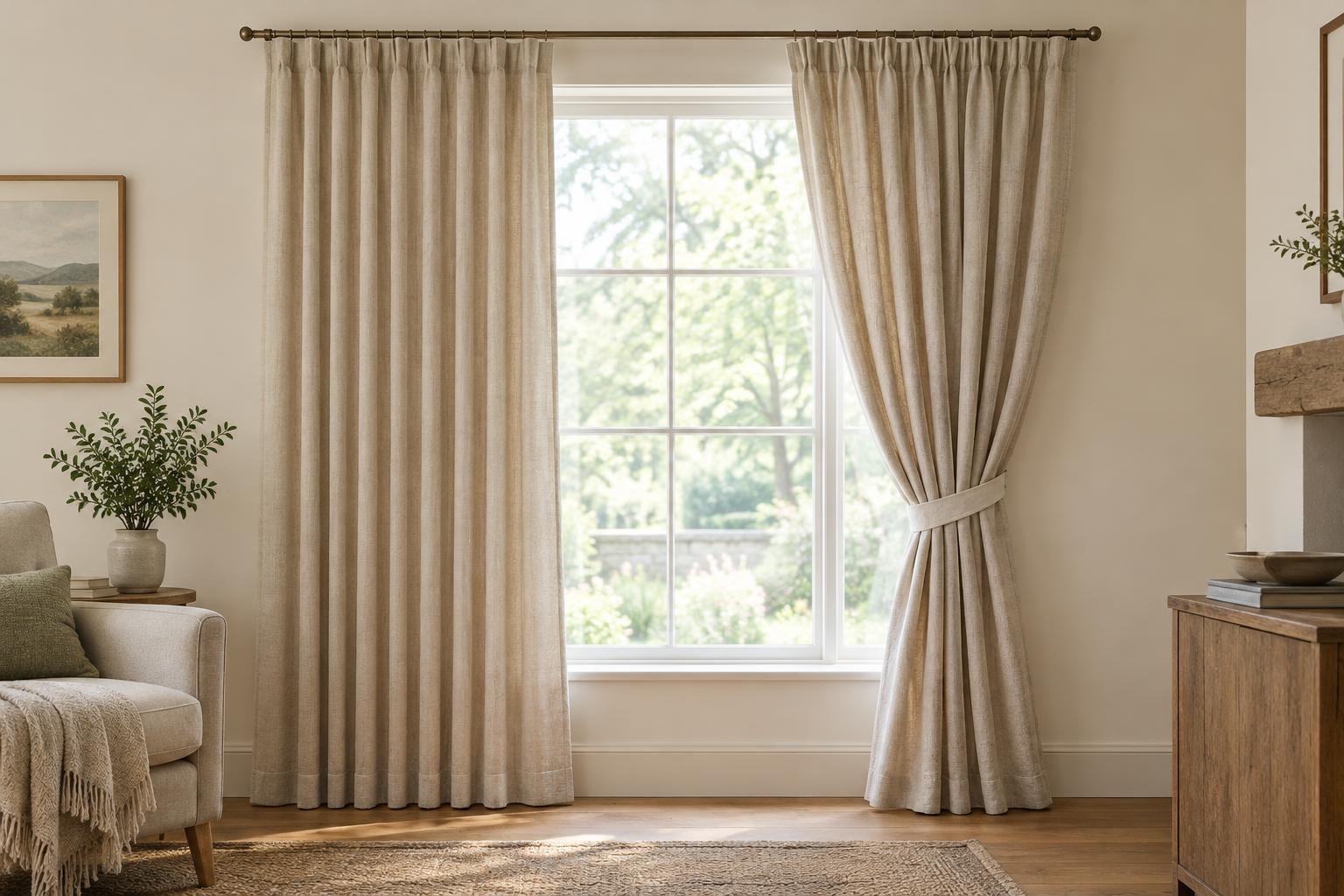

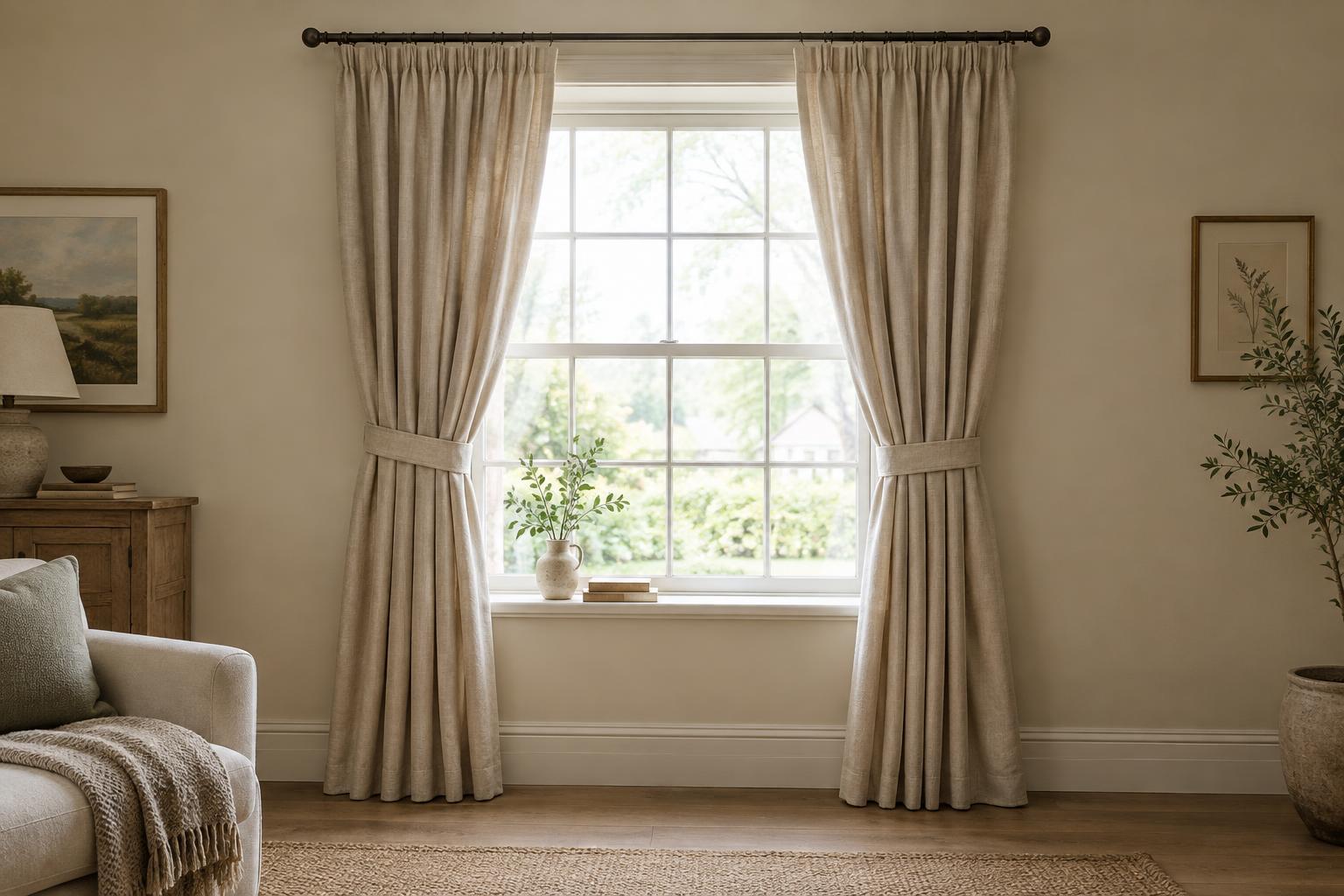
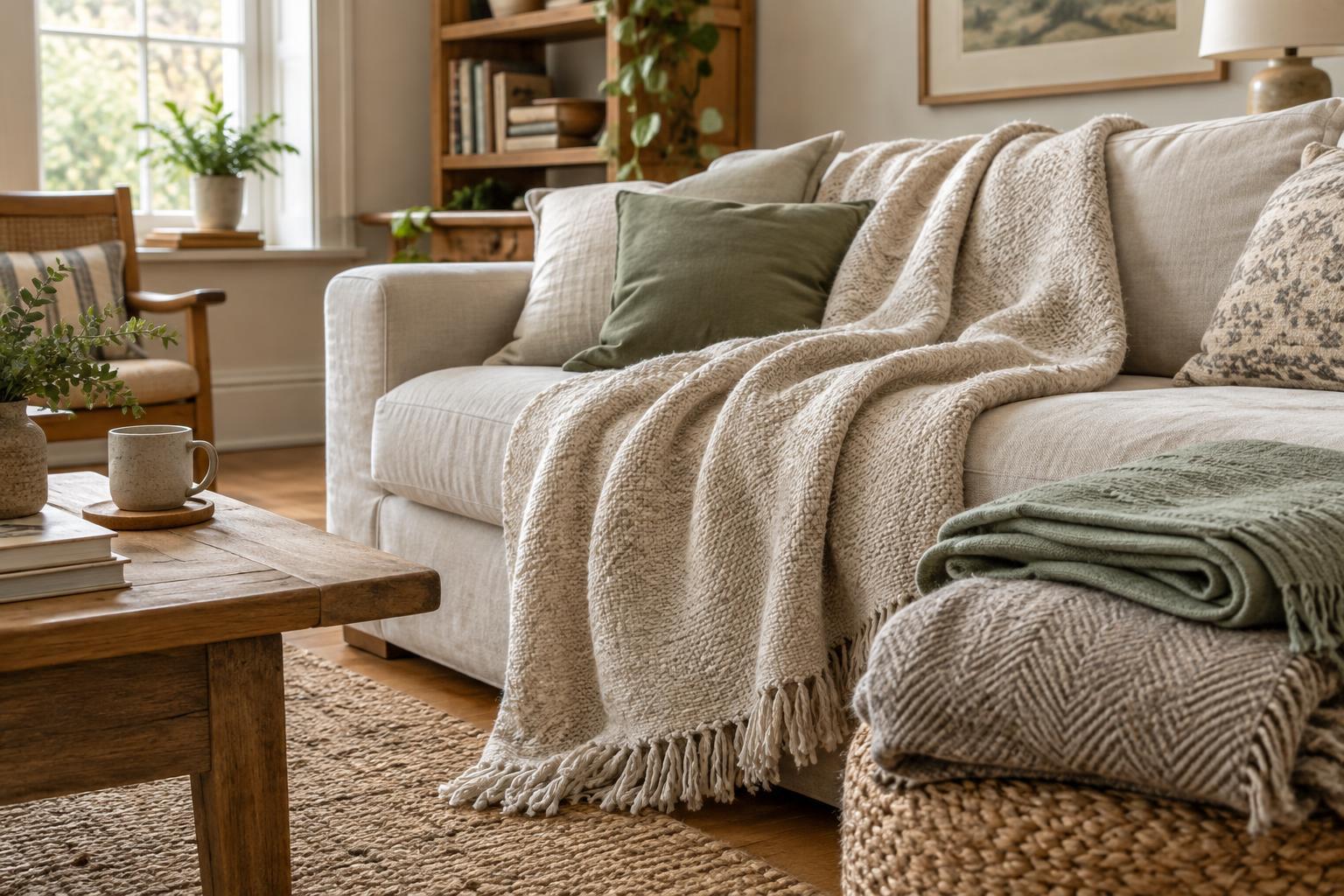

Curtains and Soft FurnishingsThrow pillows can make a sofa feel welcoming, but too many leave nowhere comfortable to sit. Learn how to choose a manageable number, vary shapes and textures, and keep the arrangement easy to use every day.
Read article · 4 min↗
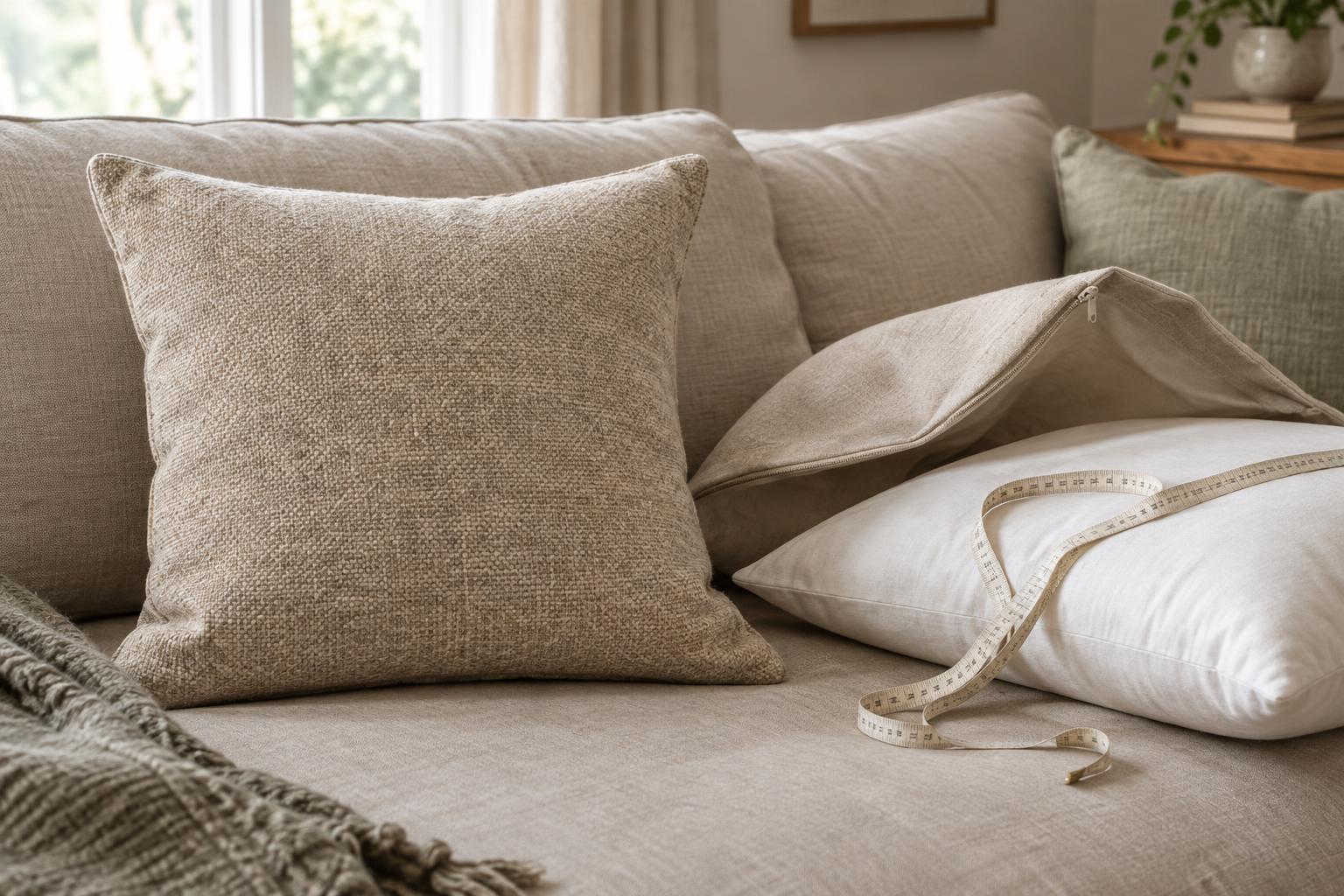
Curtains and Soft FurnishingsA well-sized cushion cover should look inviting without feeling stretched or stiff. Learn how to measure inserts and existing covers, choose a sensible amount of snugness, and allow for fabric, seams and closures.
Read article · 4 min↗
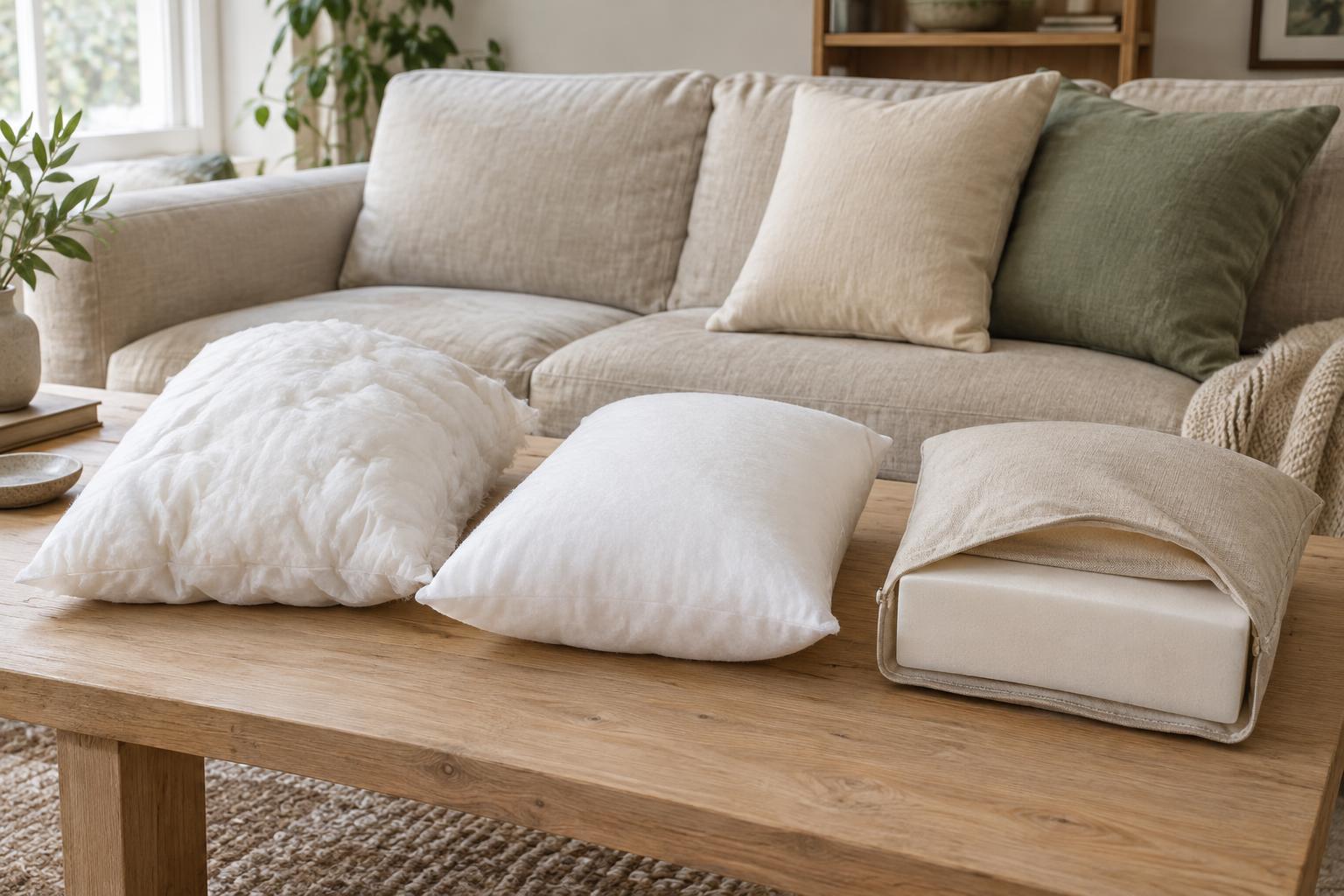
Curtains and Soft FurnishingsThe insert inside a cushion affects how it looks, feels and holds its shape. Compare feather, down alternative and foam fills, then choose a size and care routine that suit your covers and the way you use them.
Read article · 4 min↗
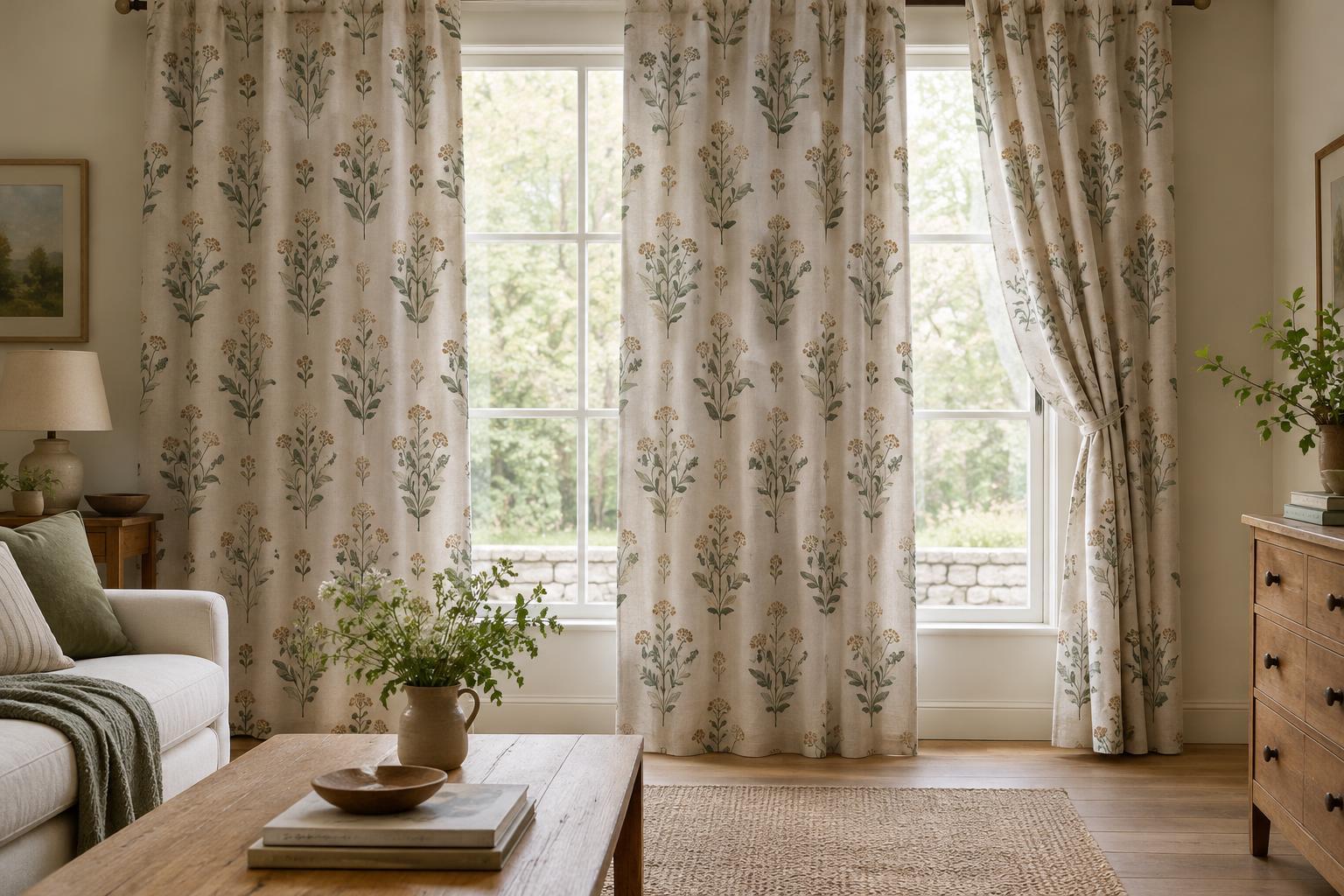
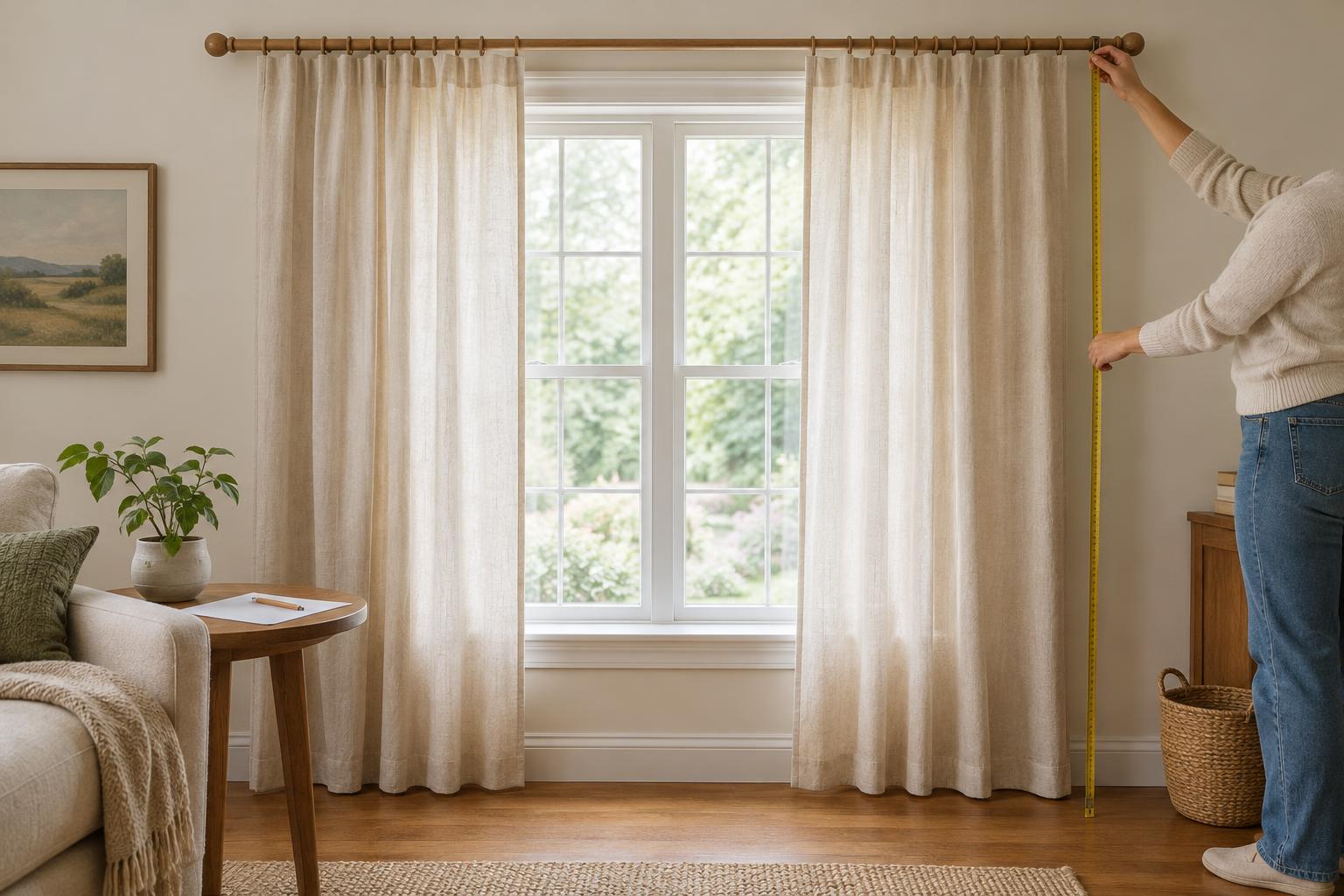
Curtains and Soft FurnishingsCurtains can look too narrow, hang at the wrong height or catch on the floor even when the measurements seemed right. Learn which dimensions to check, how heading styles affect the drop and why a simple sketch can prevent ordering mistakes.
Read article · 4 min↗

Curtains and Soft FurnishingsHeavy curtains need more than a sturdy-looking rod. Learn how to assess curtain weight, choose between rods and tracks, plan bracket placement, and mount hardware securely while keeping the panels easy to use.
Read article · 4 min↗
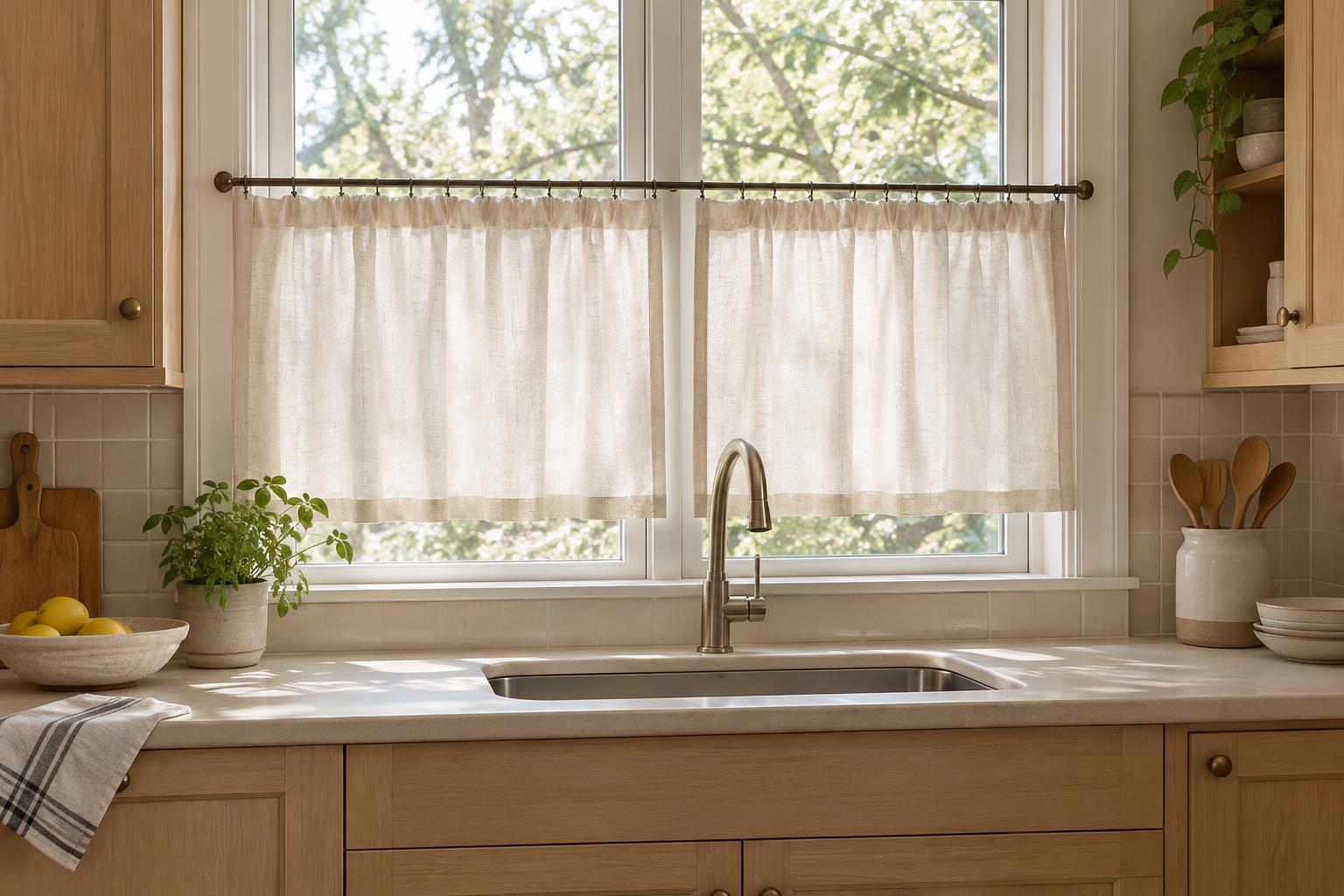
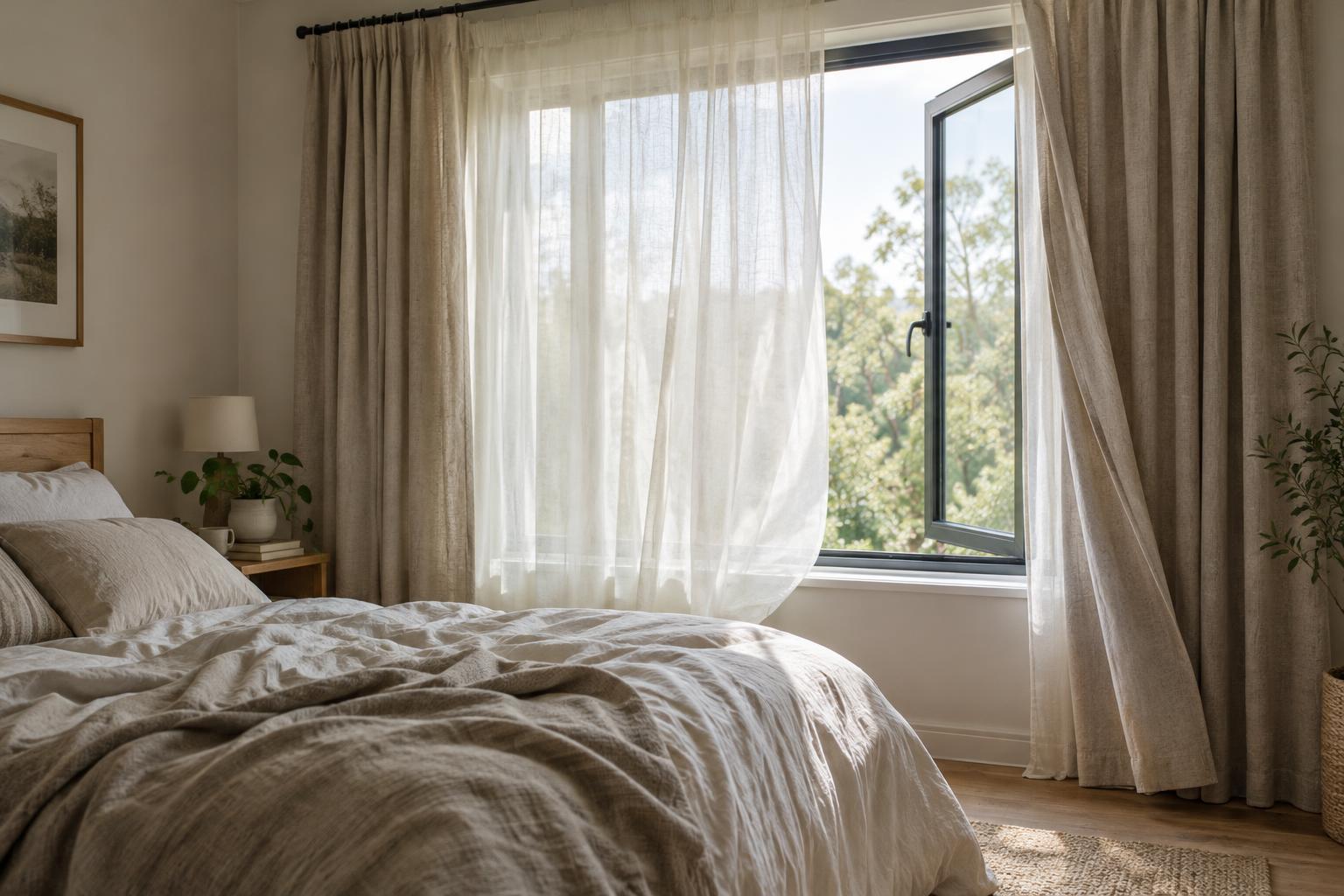
Curtains and Soft FurnishingsBedroom curtains can soften a room while helping you manage light, privacy and airflow. Learn how fabric, lining, layering and curtain placement affect comfort, and how to choose an arrangement that works with the way your window opens.
Read article · 4 min↗
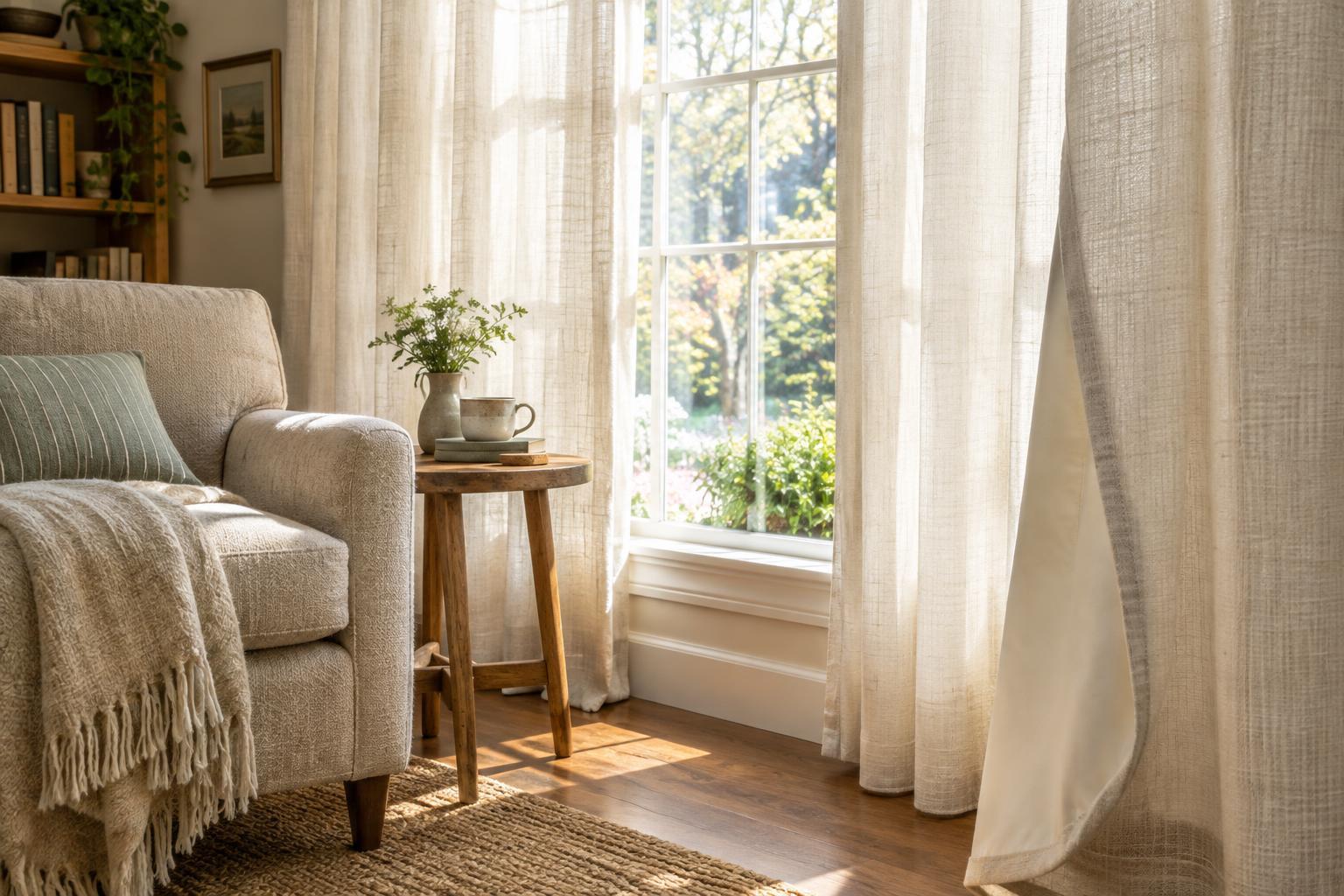
Curtains and Soft FurnishingsA sunny window can make a room feel welcoming, but strong light can fade fabric and create glare. Learn how to choose curtain materials, linings and hanging styles that balance daylight, privacy and practical care.
Read article · 4 min↗
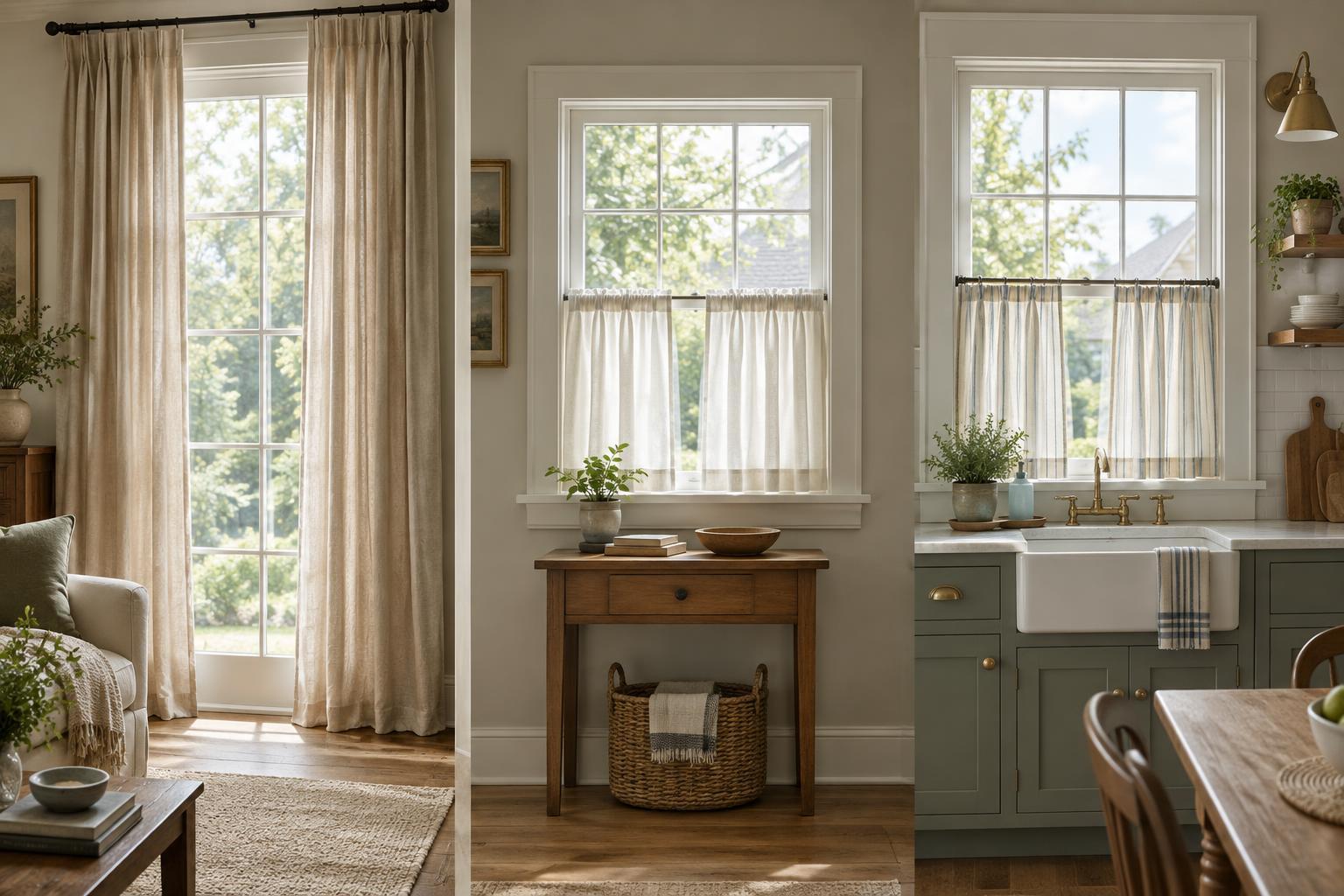
Curtains and Soft FurnishingsCurtain length changes how a room looks and how well a window works day to day. Compare floor-length, sill-length and café curtains by considering privacy, light, furniture, cleaning and the space around the window.
Read article · 4 min↗
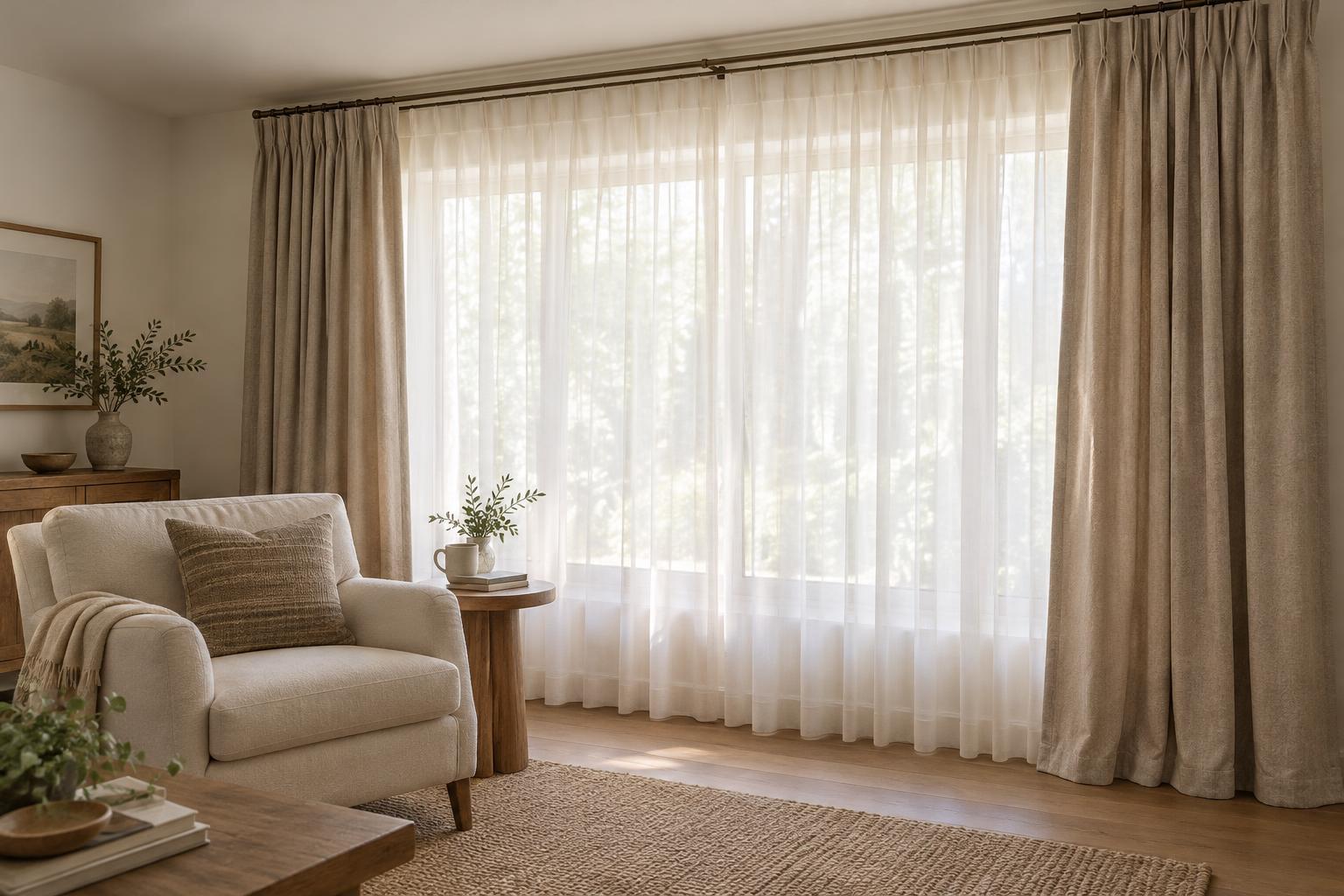
Curtains and Soft FurnishingsLayering sheer and opaque curtains gives a room more flexibility throughout the day. Learn how to choose compatible fabrics, plan the hardware, measure for a balanced fit and keep both layers easy to use and care for.
Read article · 4 min↗
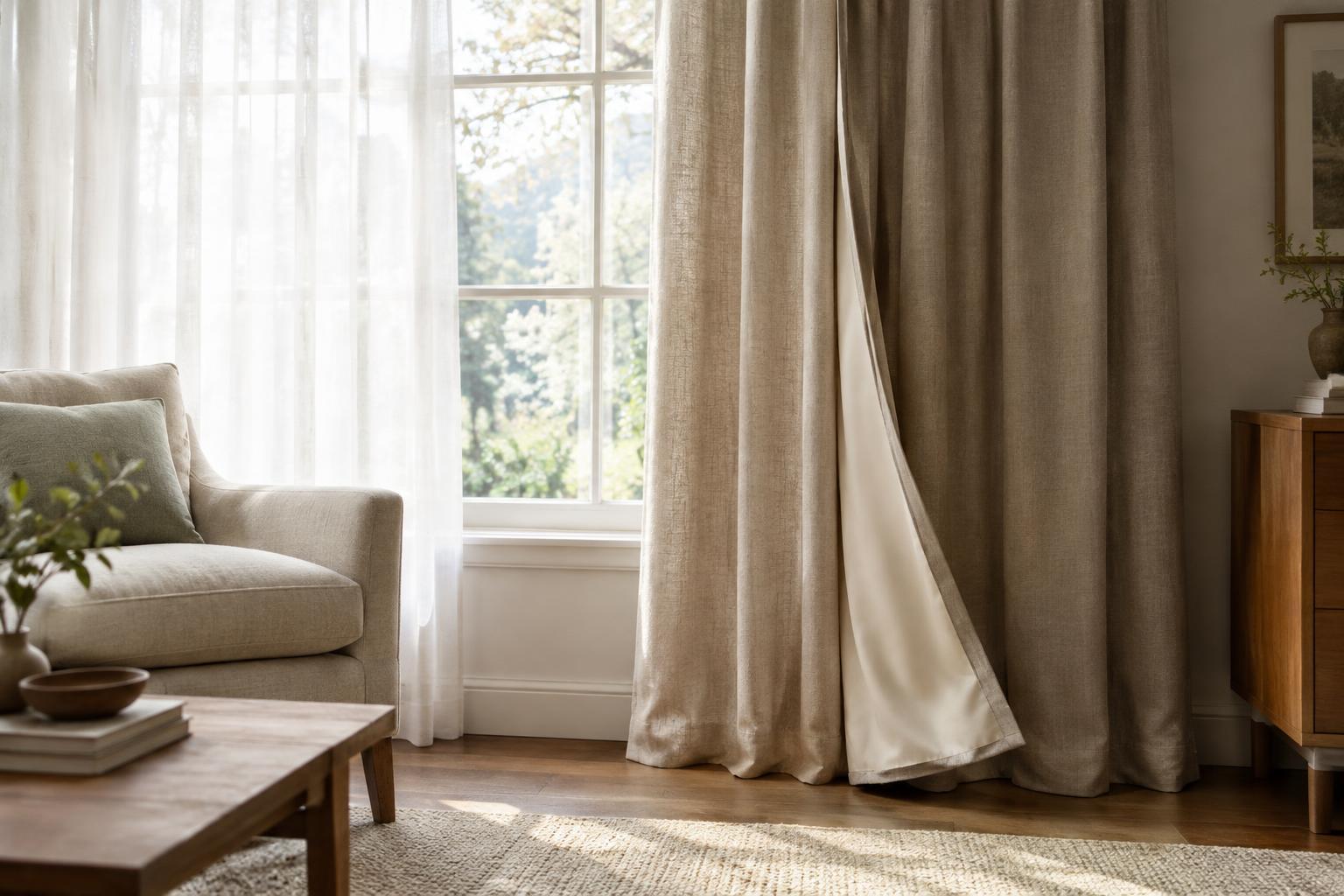
Curtains and Soft FurnishingsCurtain lining can change how a room feels as much as the face fabric does. Learn how standard, light-filtering and blackout linings affect daylight, privacy and the way curtains hang, then choose a combination that suits your window.
Read article · 4 min↗
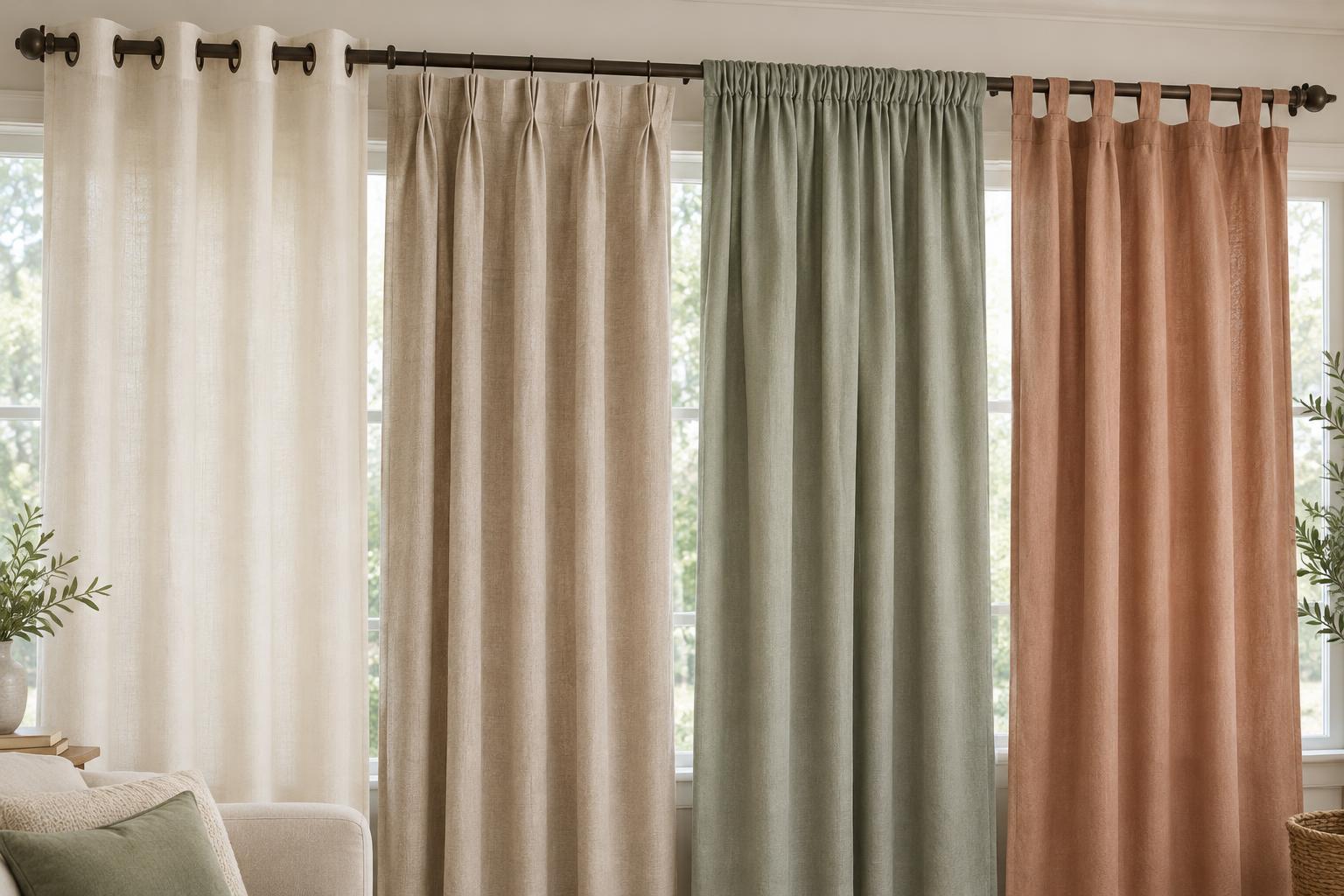
Curtains and Soft FurnishingsThe heading at the top of a curtain affects how it hangs, moves and fits your window. Learn the practical differences between eyelets, pleats, rod pockets and tabs, and choose a style that works with your fabric and hardware.
Read article · 4 min↗

Curtains and Soft FurnishingsA curtain rod can be part of the room’s design, while a track can give curtains a quieter, more streamlined way to move. Learn how to compare the two for fabric weight, window shape, light control and everyday use.
Read article · 4 min↗

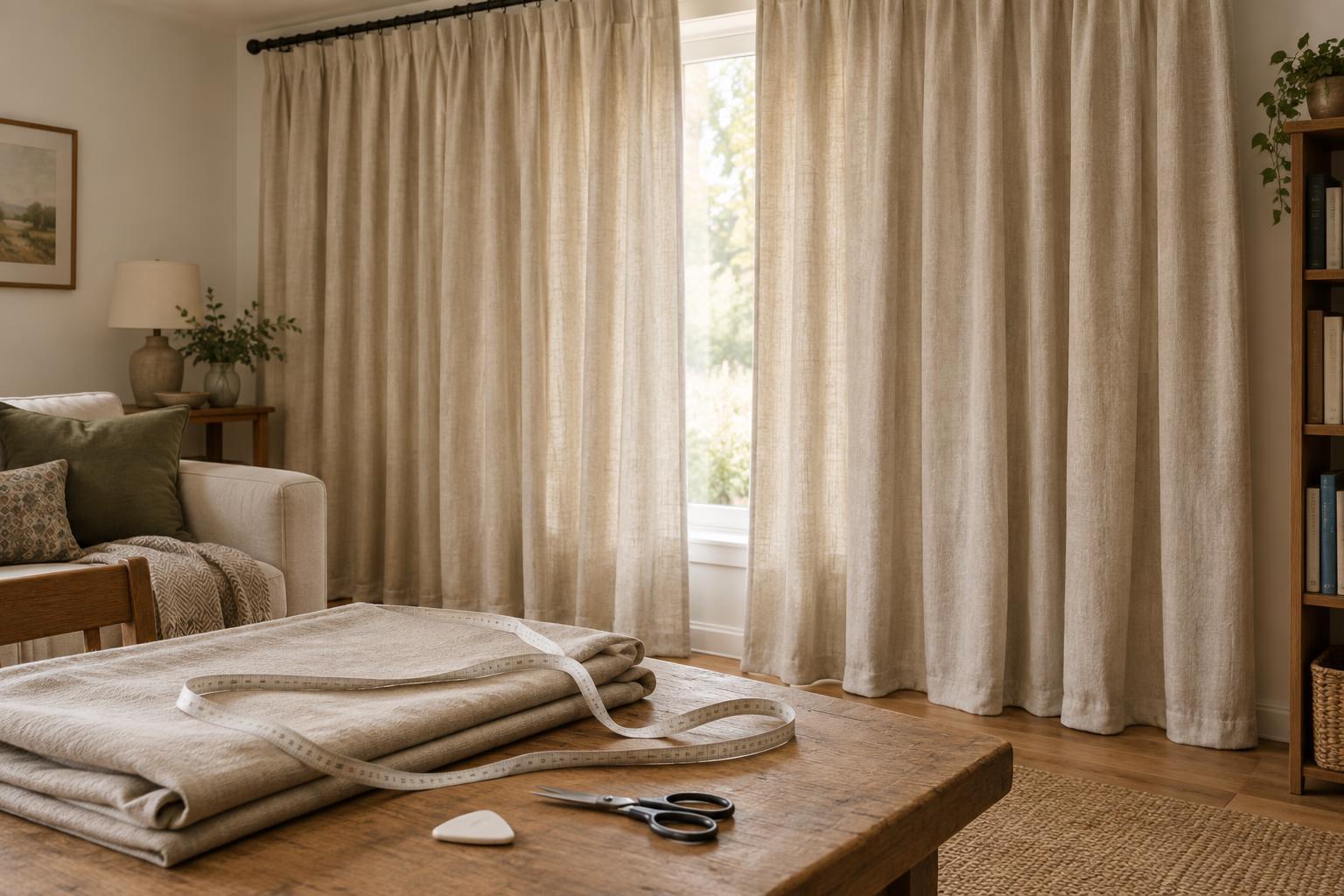
Curtains and Soft FurnishingsCurtain fullness is the extra fabric that creates folds when curtains are closed. Learn how to choose a fullness ratio, turn it into a fabric width, and estimate the length to buy without overlooking hems, joins or pattern matching.
Read article · 4 min↗
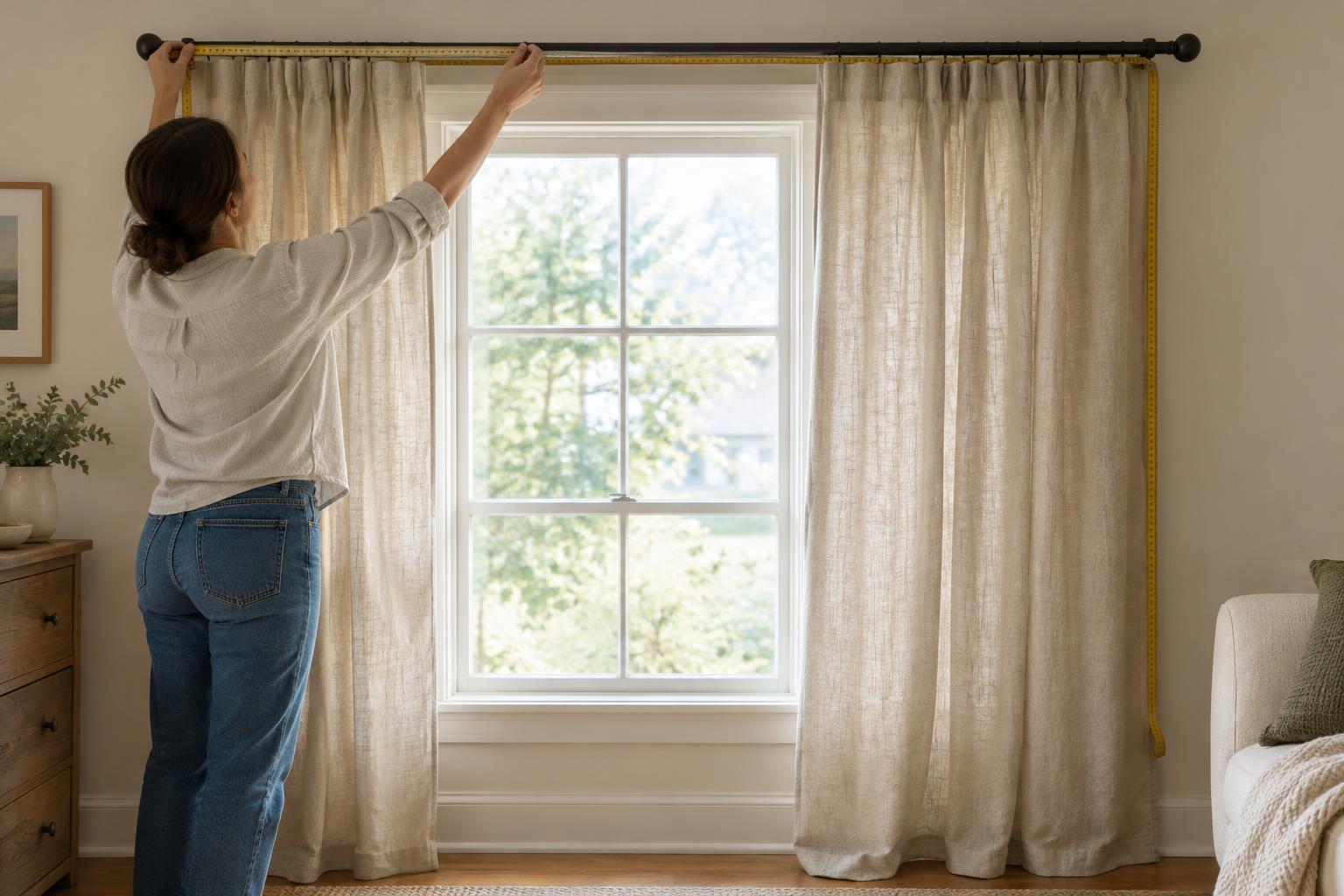
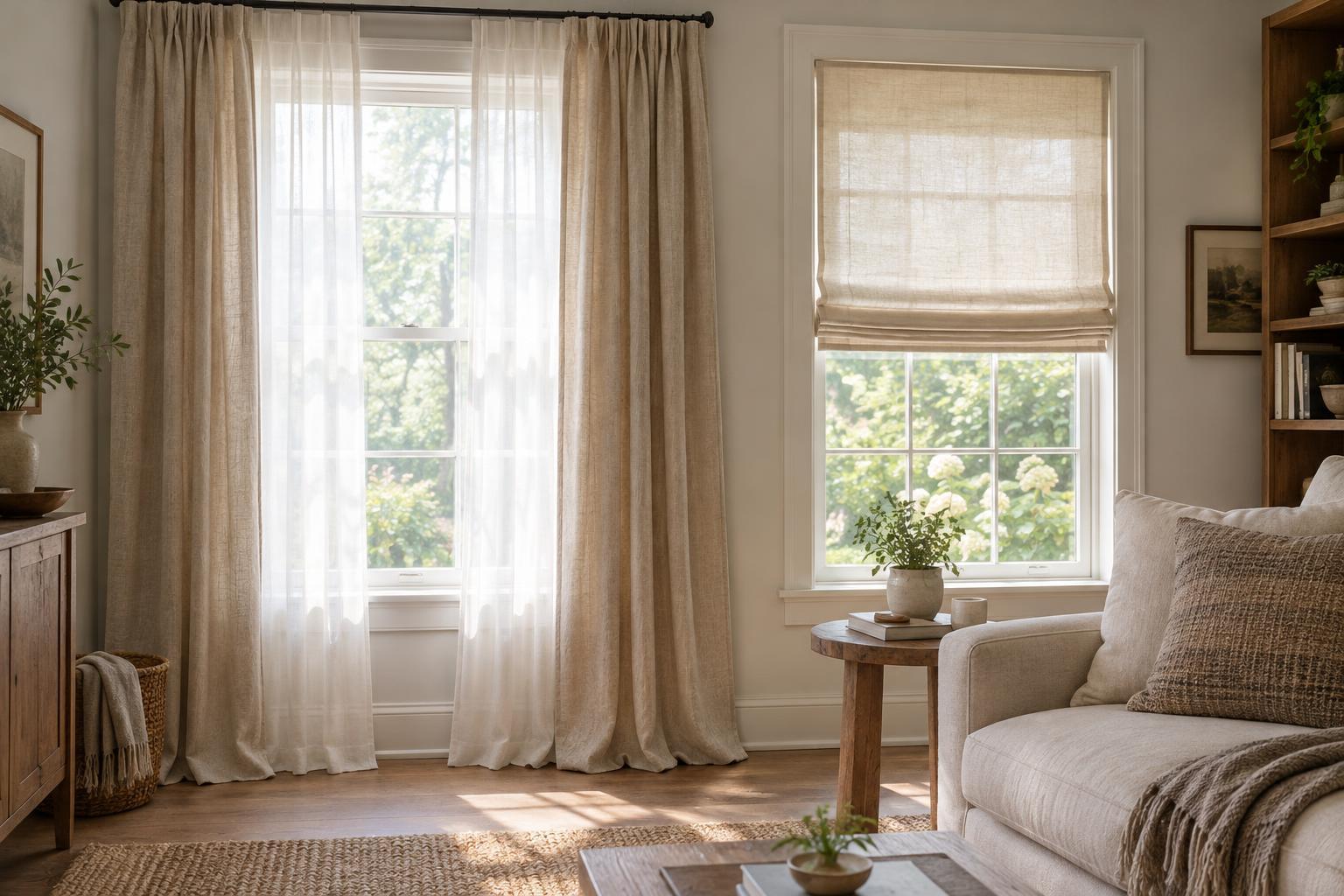
Curtains and Soft FurnishingsCurtain panels, sheers and Roman shades do more than cover a window. Their shape, fabric and placement affect daylight, privacy and the way a room feels. Here is how to choose among them—or combine them—with everyday use in mind.
Read article · 4 min↗