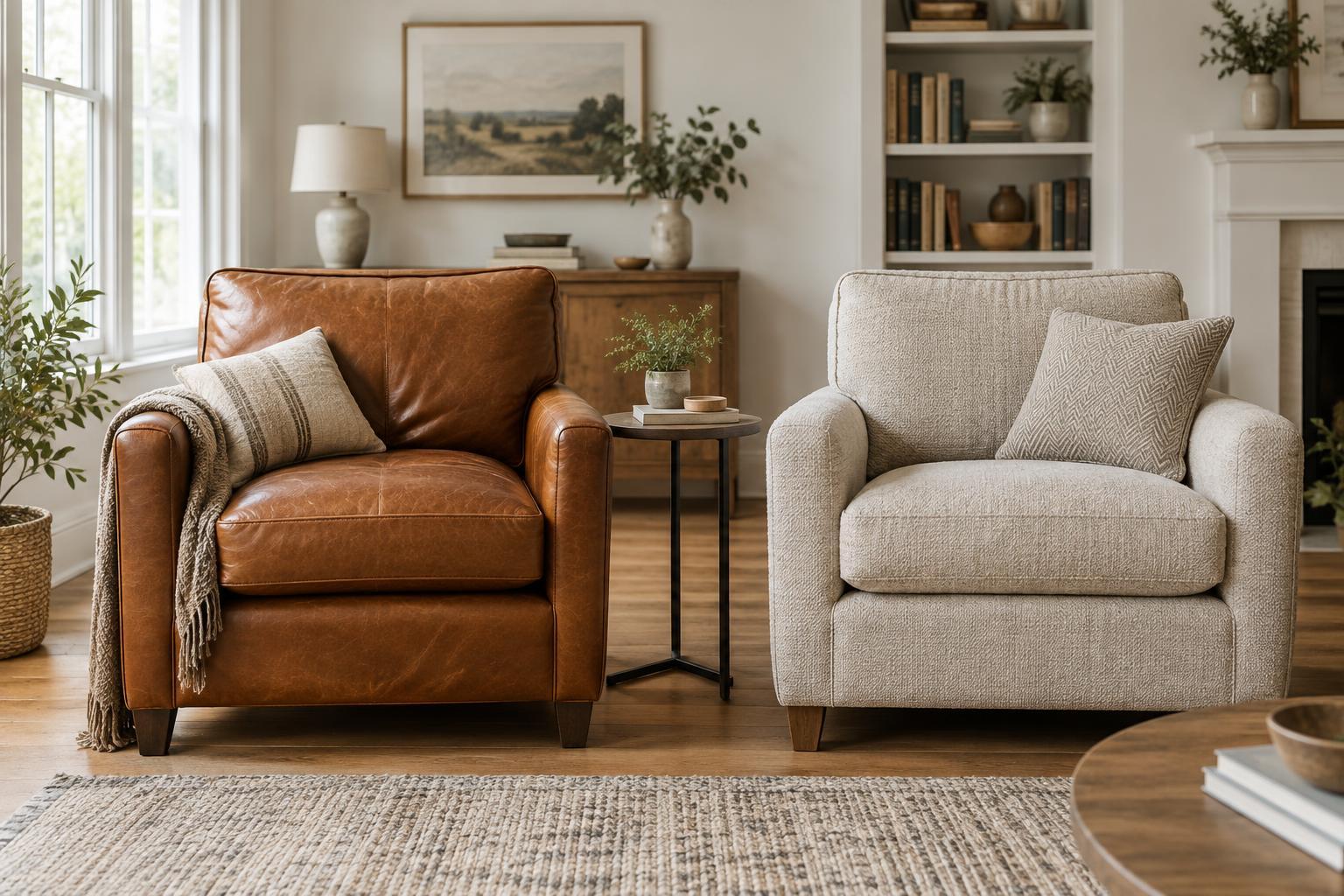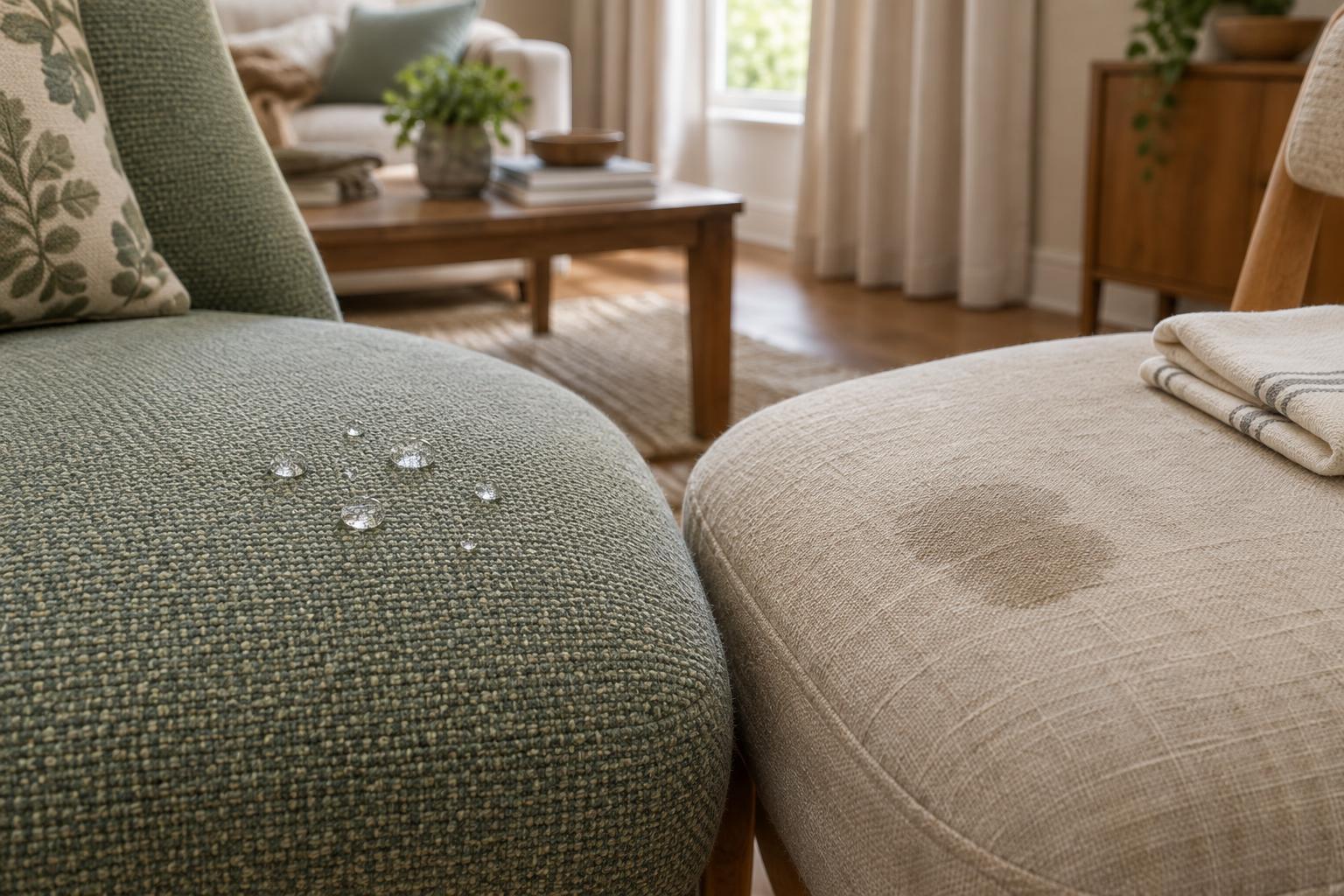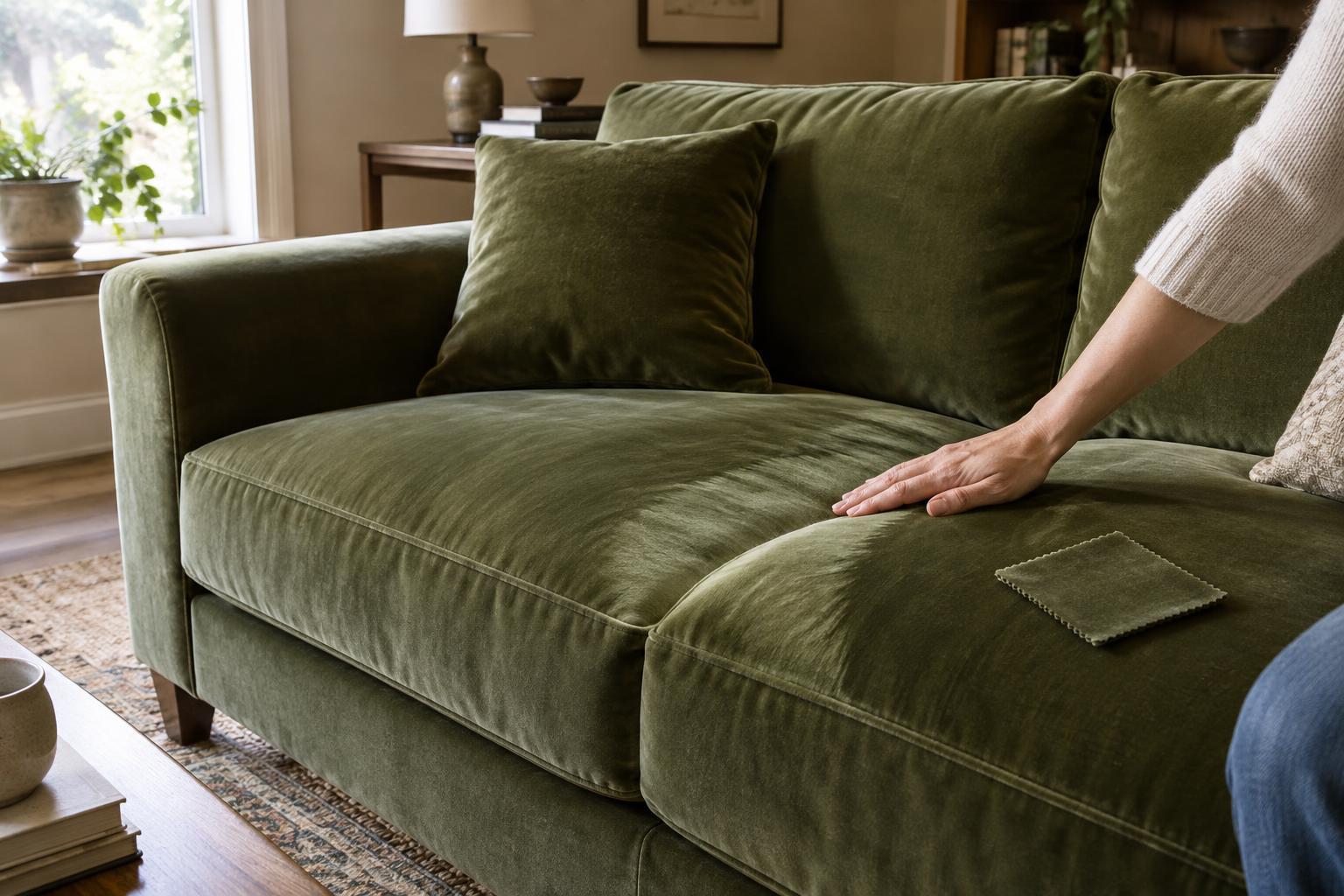
Start with the furniture you have
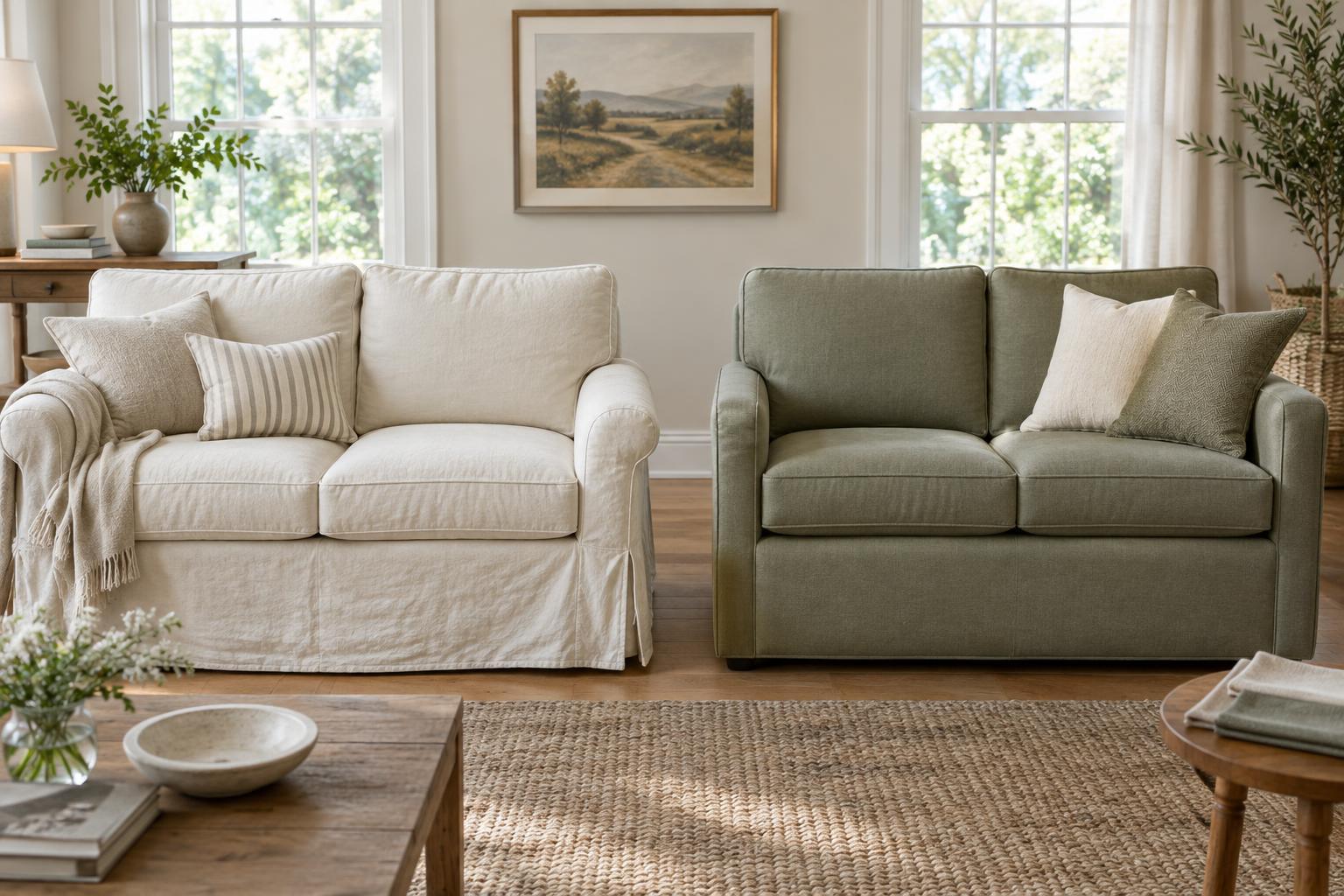
A slipcover is a removable layer of fabric fitted over a sofa or chair. Fixed upholstery is attached to the furniture frame and usually cannot be taken off for routine washing. Both can protect padding and give a piece its finished appearance, but they ask different things of the person living with them. The best choice depends less on a decorating rule than on the shape and condition of your furniture, how you use it, and how much upkeep you want to do.
Look at the piece before choosing fabric. A straightforward sofa with separate, regularly shaped cushions may be easier to cover neatly than a chair with a curved back, exposed wood or unusually shaped arms. Check the frame, springs and padding too. A new cover may improve the surface, but it will not correct a sagging seat or an unstable frame. If those parts need attention, decide whether repair is worthwhile before spending money on either finish.
How fit changes the look and feel
Fixed upholstery generally gives the closest fit. Fabric can be shaped around arms, backs and corners, then secured so it stays in place during everyday use. It can highlight the lines of a distinctive chair or create a crisp look on a sofa. That tailored finish is appealing if you do not want to straighten fabric after people sit down.
Slipcovers range from loose, relaxed styles to closely fitted covers made for a particular piece. A well-fitted cover can look tidy, especially when individual seat cushions have separate covers. A loose cover may be easier to put on, but it can shift or bunch around the seat. Before buying one, measure the furniture and check details such as arm shape, cushion arrangement and whether the back is visible in the room. A cover that fits the overall width but ignores those details may still feel awkward in use.
Fabric affects both options. A thick, stiff textile may resist draping over curves, while a very light one may show the furniture beneath it or wear quickly at stressed areas. Consider how the surface feels against skin as well as how it looks in a photograph or fabric sample.
Cleaning is about more than removability
A removable slipcover can be convenient in a busy household, but removable does not automatically mean machine washable. Read the care instructions for the cover and its fabric before purchasing. Some materials may need specialist cleaning, and washing a cover incorrectly can change its size or finish. If home washing matters to you, check that every removable part can be cleaned in a practical way, including cushion covers.
Fixed upholstery usually calls for regular vacuuming, prompt attention to spills and cleaning methods suited to its fabric. Slipcovers need those habits too; removing the cover is not a substitute for caring for the cushions and furniture underneath. For either choice, test any cleaning method in an inconspicuous area and avoid soaking padding. A fabric that suits your cleaning routine is often more useful than one chosen for appearance alone.
Think about the effort involved after cleaning as well. A cover may be simple to remove but time-consuming to refit and smooth out. If laundering the whole cover would be inconvenient, smaller washable cushion covers or a throw over the most-used seat might be a more manageable compromise.
Compare upkeep over the life of the piece
Slipcovers offer flexibility: you may be able to replace a worn cover or change the room’s look without replacing the furniture. The practical value of that flexibility depends on whether a suitable replacement cover will be available when you need it. A custom slipcover may fit beautifully, but it also requires careful measuring and may involve more expense than a ready-made one.
Fixed upholstery takes more commitment to a fabric and finish. Reupholstering can involve removing the old covering, assessing what is beneath it and fitting new material to the frame. That work may make sense for a sturdy, comfortable piece you want to keep, particularly one whose shape you like. For furniture with a weak frame or uncomfortable proportions, a new surface alone may not justify the effort.
When comparing options, account for more than the initial fabric price. Consider fitting, any needed padding repairs, cleaning requirements and the likelihood of replacing the cover later. If you have a quote or a product listing, check exactly what is included rather than assuming two prices cover the same work.
Make the choice match your daily routine
Choose a slipcover if removability, a changeable look or a softer, relaxed finish matters most—and if you can find one that fits the piece and has care instructions you can follow. Choose fixed upholstery if a consistently tailored appearance and a stable surface matter more, especially on furniture with curves or details you want to show.
If you are undecided, begin with the questions you can answer at home: Does the piece feel sound and comfortable? Where does fabric wear or get dirty first? Would you realistically remove and clean a cover? How much shifting or straightening would bother you? Your answers will point toward the finish that makes the furniture easier to live with, not just nicer to look at on the day it is covered.