What pilling is and why it happens
Pills are small balls of tangled fibers that collect on a fabric’s surface. They form when rubbing draws loose fiber ends out of yarns and those ends twist together. On upholstery, the most noticeable areas are often seats, armrests and the places where clothing repeatedly brushes against the fabric. Pilling affects appearance, but it does not automatically mean the upholstery is falling apart.
A few things influence whether those little knots stay visible. Shorter fibers may work free more readily than longer ones, while strong fibers can hold a pill in place instead of letting it wear away. Yarn twist, weave or knit structure, surface texture and finishing also matter. That is why a fabric’s fiber label alone cannot reliably tell you how much it will pill. Two fabrics with the same stated fiber content can behave differently on a sofa.
What a pilling-resistance rating tells you
A pilling-resistance rating describes how a fabric looked after a particular laboratory test. It can help you compare upholstery options, especially when the samples were tested using the same method and scale. A higher rating generally indicates less visible pilling under those test conditions. It is not a promise that the fabric will never pill in your home.
Before comparing numbers, check what they represent. Fabric specifications may use different test methods, rubbing conditions or rating scales; a number without that context has limited value. It is also worth separating pilling resistance from abrasion resistance. An abrasion result concerns wear from rubbing, while a pilling result concerns the surface fuzz and knots that rubbing can produce. A fabric may perform well on one measure and less well on the other.
Choosing fabric for the way a room is used
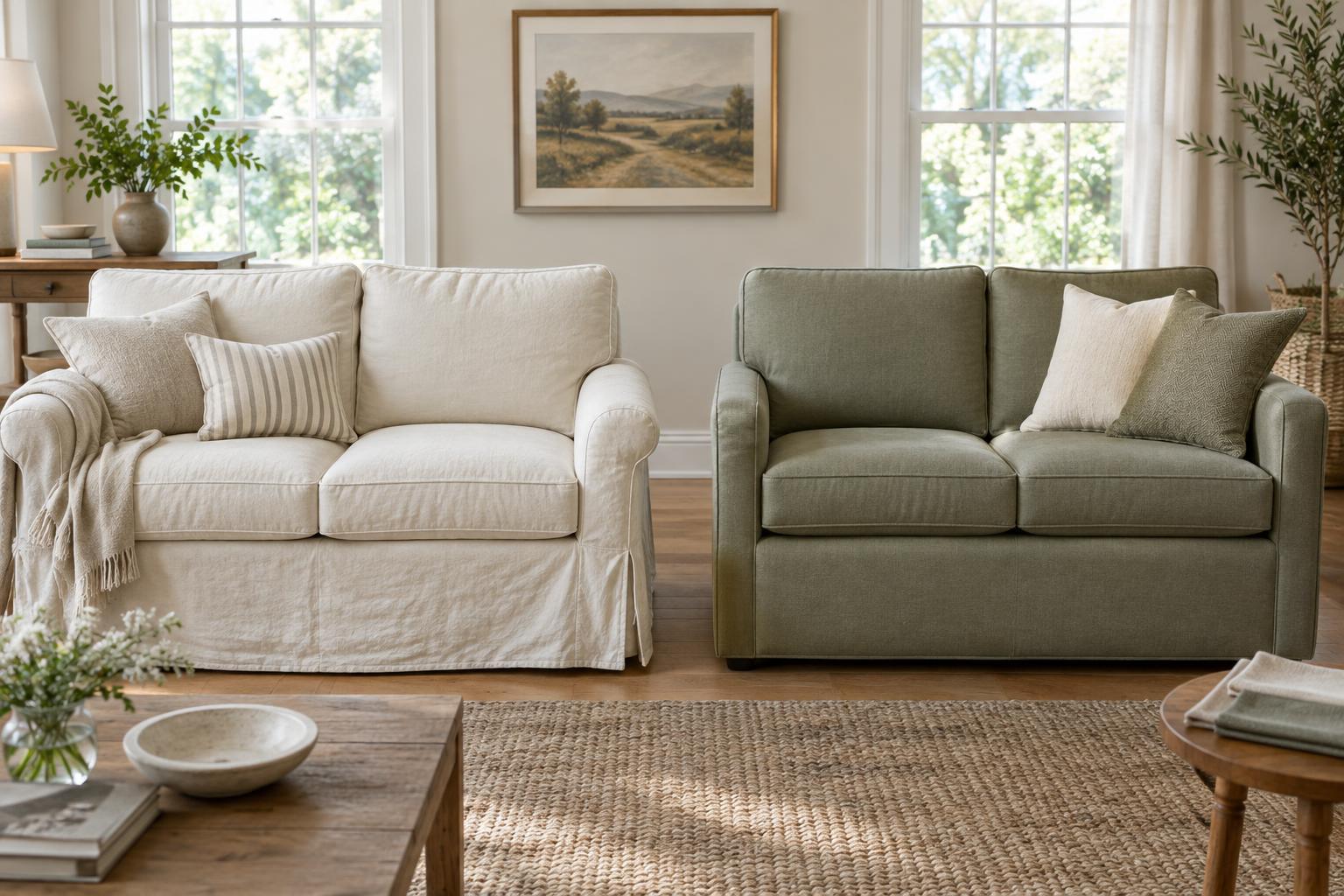
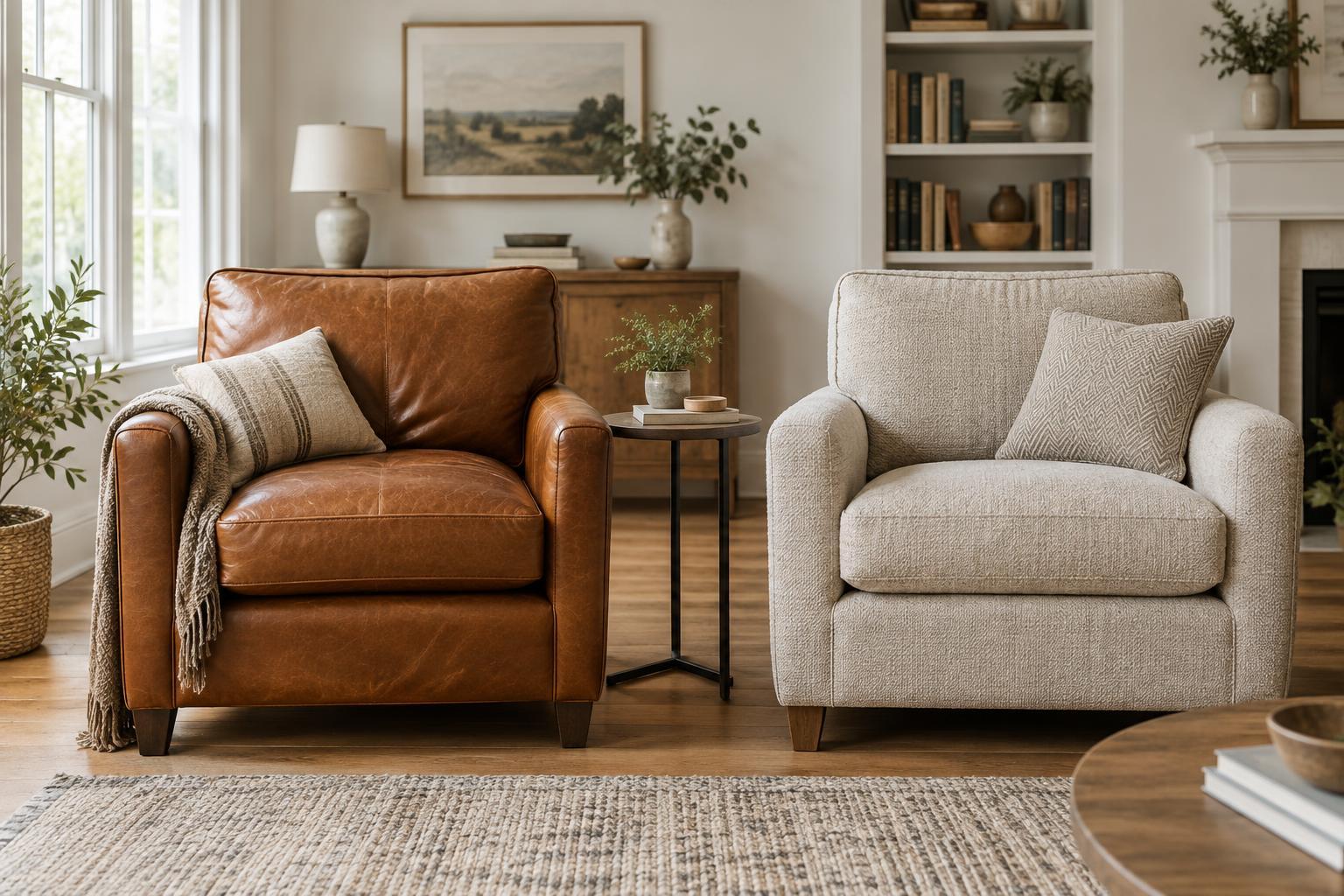
Start with the furniture’s role. A chair used occasionally can leave more room for a texture you love, while a family sofa may call for a surface whose appearance you find easier to maintain. If you are looking at samples, rub each one gently and look closely at the yarns and surface. This cannot reproduce months of use, but it may help you notice loose-looking fuzz or a finish that already shows changes from handling.
Ask a retailer or fabric supplier for the pilling test method and result when that information is available. Look at the fabric in different light, too: pills can stand out more on smooth, solid-colored surfaces than on textured or patterned ones. Texture does not prevent pilling, however, and a very soft or brushed feel is not, by itself, evidence of poor performance. The useful question is whether you will be comfortable with the fabric’s likely appearance as it settles into everyday use.
Everyday habits that may reduce visible pilling
Some friction is unavoidable, but you can avoid adding unnecessary wear. Keep gritty debris from sitting on cushions by removing it gently with an upholstery attachment suited to the fabric. If cushions are designed to be moved or rotated, doing so can spread use more evenly. Rough clothing details, hook-and-loop fasteners and sharp pet claws can catch fibers, so take particular care around surfaces they may snag.
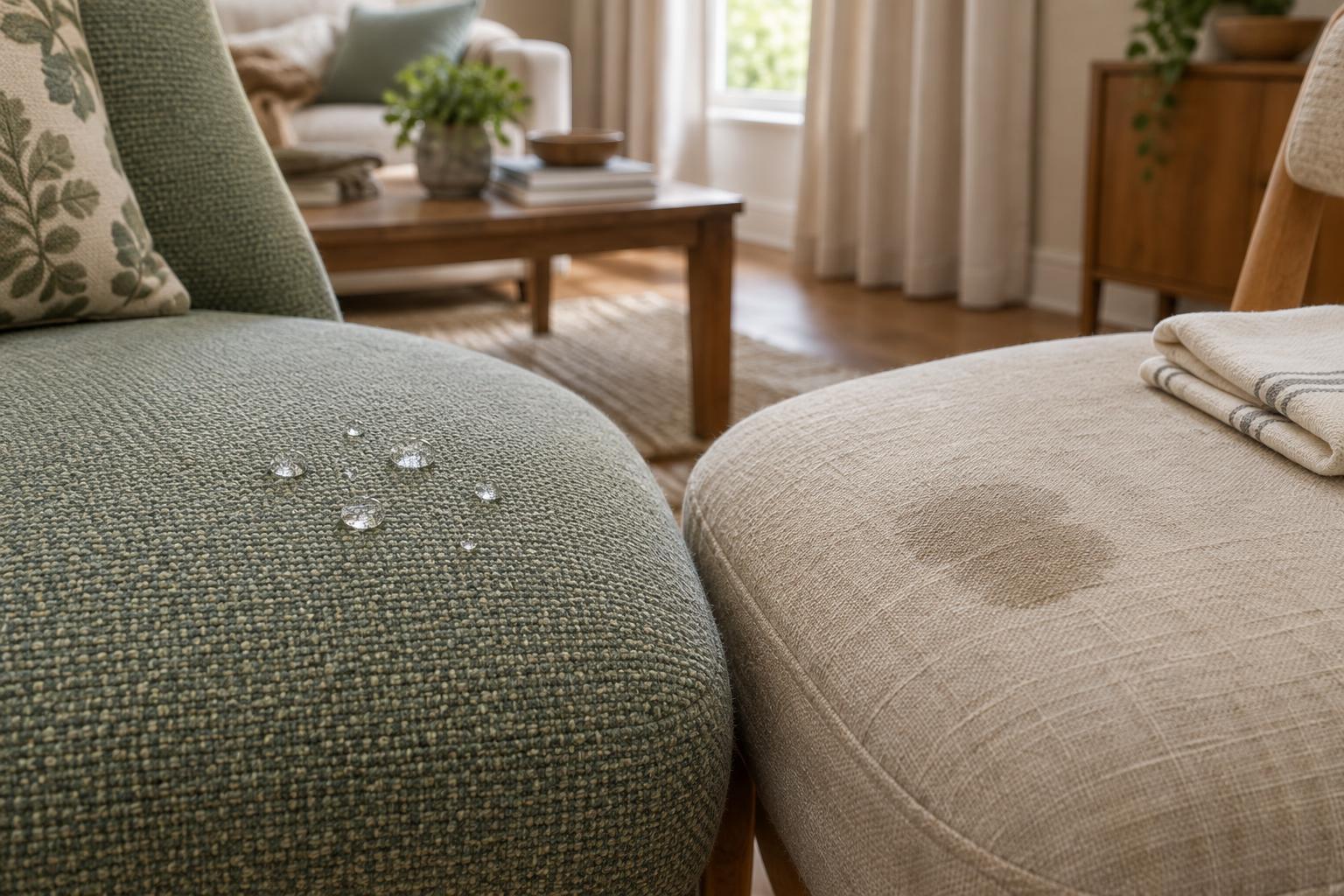
Follow the furniture maker’s cleaning instructions rather than treating every upholstery fabric alike. Aggressive brushing or repeated hard scrubbing may raise more fibers and change the surface. For a spill, blot as directed by the care guidance instead of rubbing at it. Cleaning cannot make a fabric pill-proof, but gentler handling can help you avoid creating extra surface disturbance.
What to do when pills appear
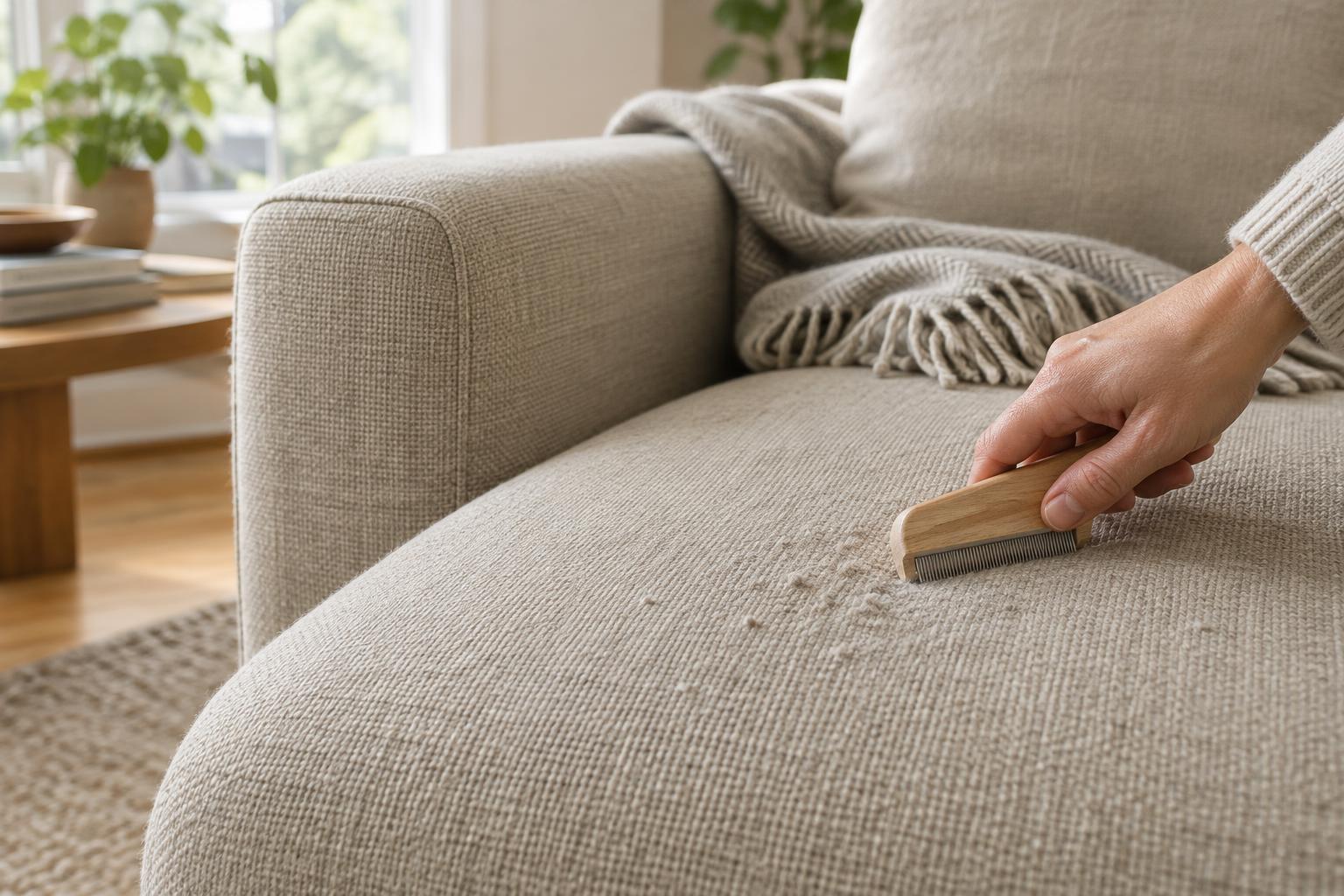
First, distinguish pills from other damage. Pills sit on the surface; a snag is a pulled loop or yarn, and worn areas may look thin or threadbare. Do not tug pills off with your fingers, as pulling can draw out more fibers. If the care instructions allow it, a fabric shaver or suitable pilling tool may remove surface pills. Test it in an inconspicuous spot, use light pressure and keep it away from seams, loops and raised decorative yarns.
If pilling appears quickly or seems severe, keep the fabric information and ask the seller or maker about its care guidance and any applicable product terms. A small amount of pilling may lessen after loose fibers have been removed, but there is no guaranteed timetable or universal fix. Choosing upholstery with clear test information, then caring for its surface gently, gives you a better basis for managing both its comfort and its appearance.