What GSM measures
GSM stands for grams per square metre. It describes the weight of a piece of fabric at a standard area, making it easier to compare materials sold in different widths. A higher GSM means more weight in that area, but not necessarily a thicker, softer or more durable fabric. Dense, fine yarns can make a relatively slim cloth feel heavy, while a lofty fabric can feel thick without weighing as much as you expect.
Fabric weight is useful because it gives you one consistent point of comparison. If you are looking at two versions of a similar cotton weave, their GSM figures can help indicate which may feel more substantial. Across very different fabrics, however, the number is less revealing. A brushed cloth, a tightly woven canvas and a looped towel each have a different structure, even if their listed weights are alike.
Why the same weight can feel different
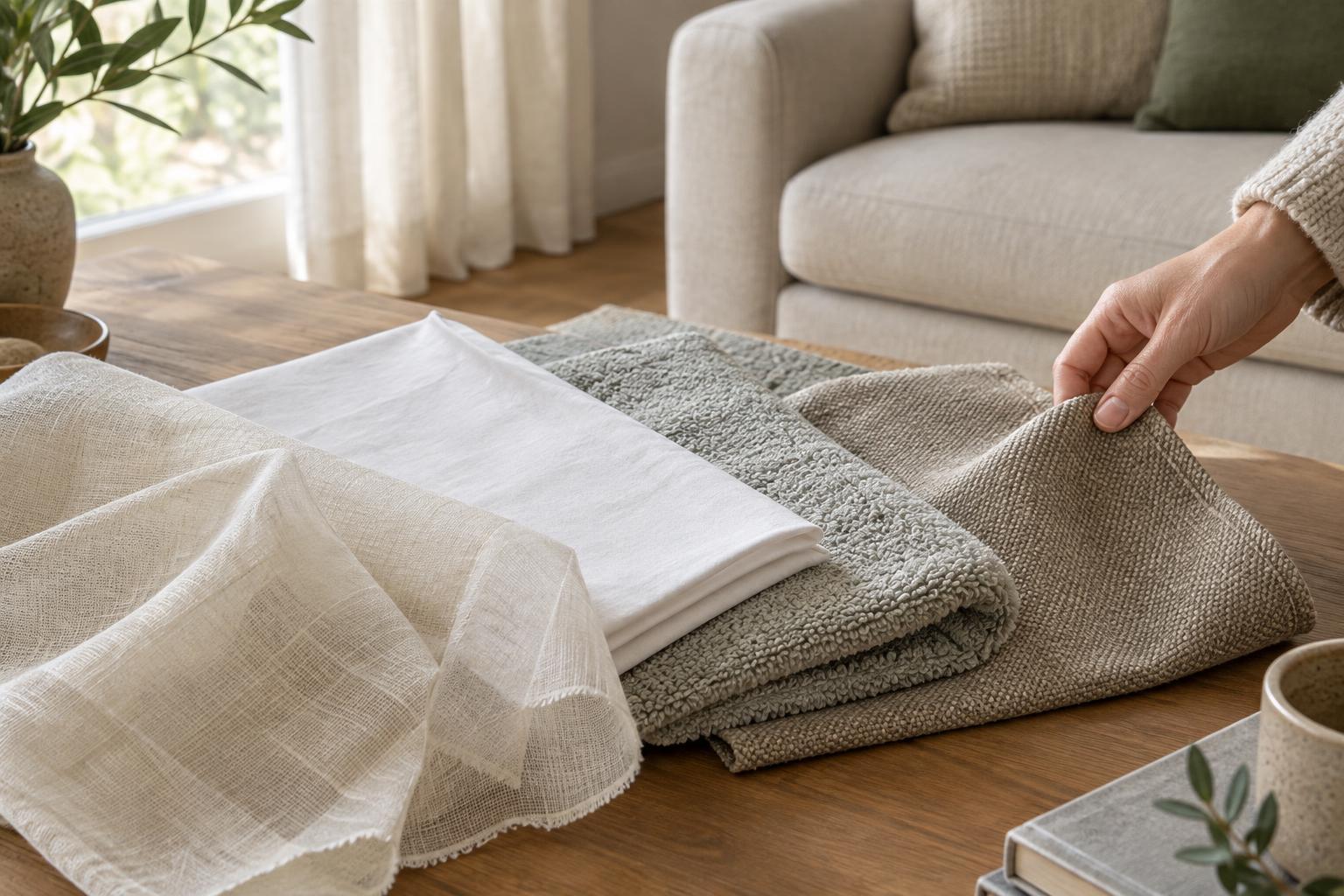
Fibre, yarn and construction all shape the result. Cotton, linen, wool and synthetic fibres have different characteristics; the size and twist of their yarns also affect how a cloth bends and feels. Weave matters just as much. A firm, closely woven fabric may hold a crisp line, while a looser weave at a similar GSM may drape more readily. Knitted, quilted and pile fabrics add further differences that weight alone cannot describe.
Finishes can change your first impression, too. Washing, brushing, coating or adding a backing may affect softness, stiffness and drape. Some finishes can change with use or laundering. When possible, handle a sample: fold it, let it hang from your hand and look at it against the light. Those simple checks reveal qualities that a weight figure cannot.
Using GSM for different rooms and textiles
For curtains, think about the shape you want and the job the fabric must do. A lighter cloth may gather softly and let in more light, while a heavier one may create fuller-looking folds. Yet opacity depends on the weave, colour and any lining, not GSM alone. Check a sample in both daylight and lamplight if privacy matters. Remember that a lining adds weight, so the finished curtain may behave differently from an unlined swatch.
For upholstery, weight can hint at substance, but it is not a stand-in for suitability. A fabric intended for frequent sitting also needs an appropriate construction and resistance to wear, snagging and stretching. Consider how easily its surface can be cleaned and whether its texture suits the people and pets using the room. If you are covering a chair or sofa, ask for upholstery-specific information rather than choosing by GSM alone.
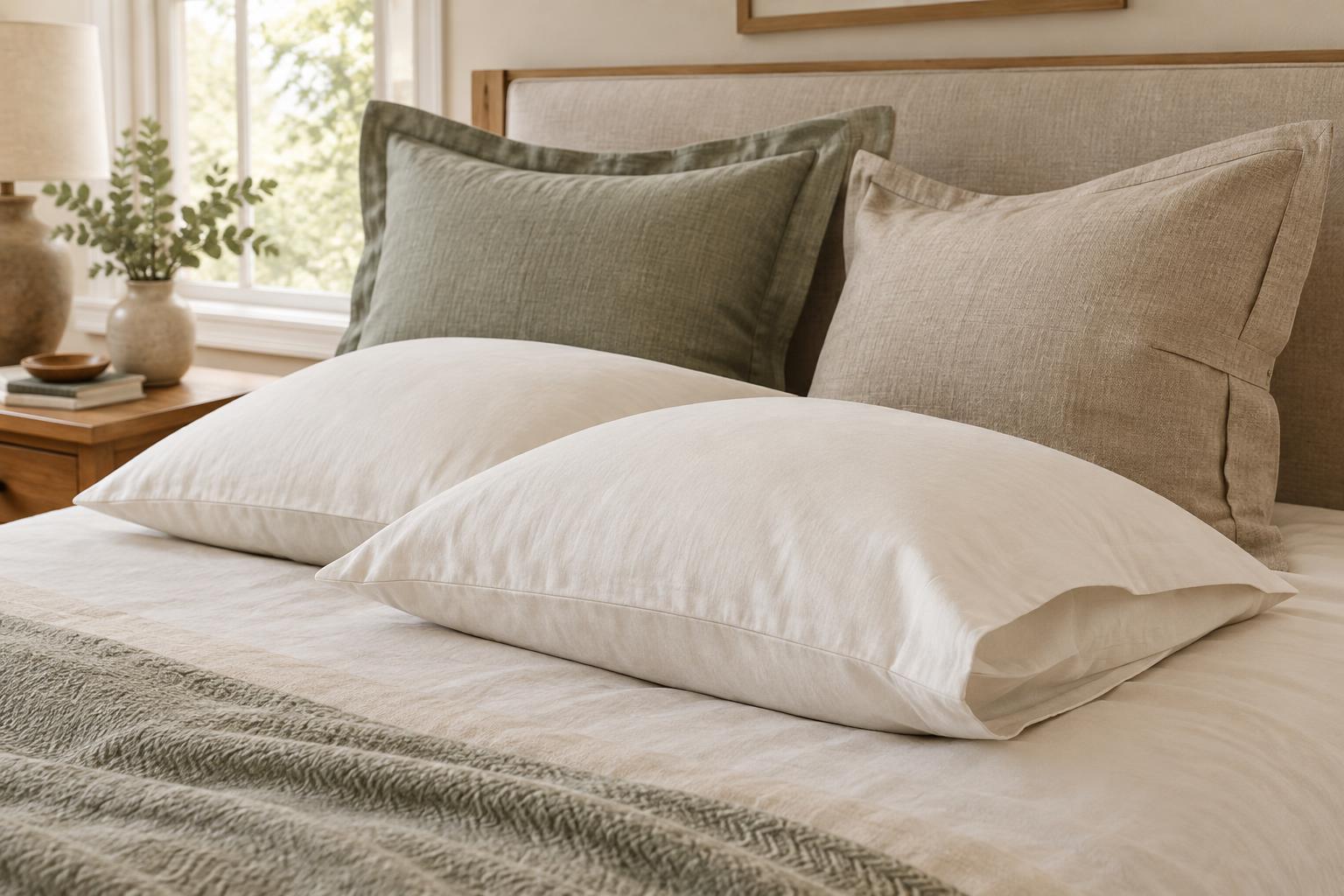
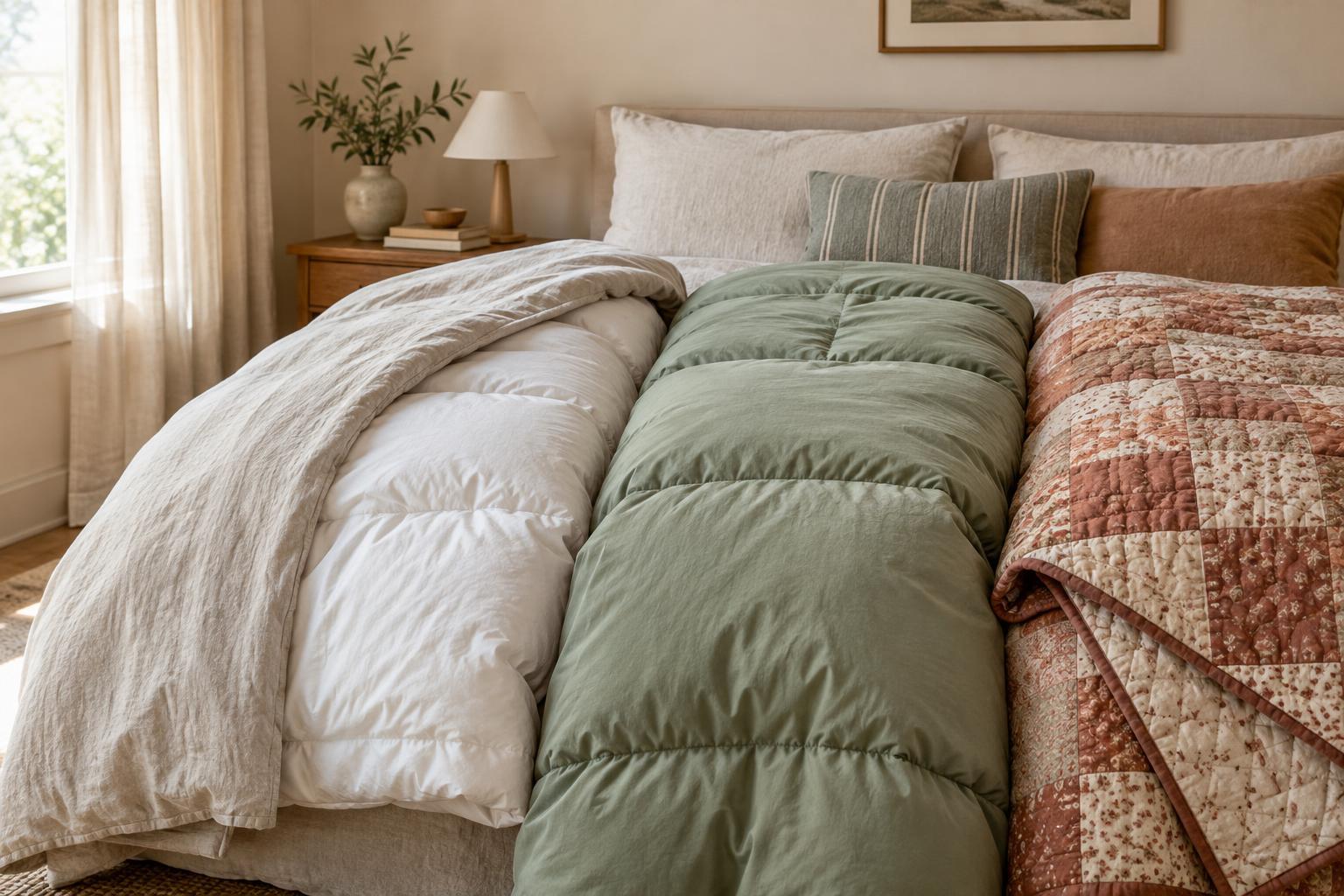
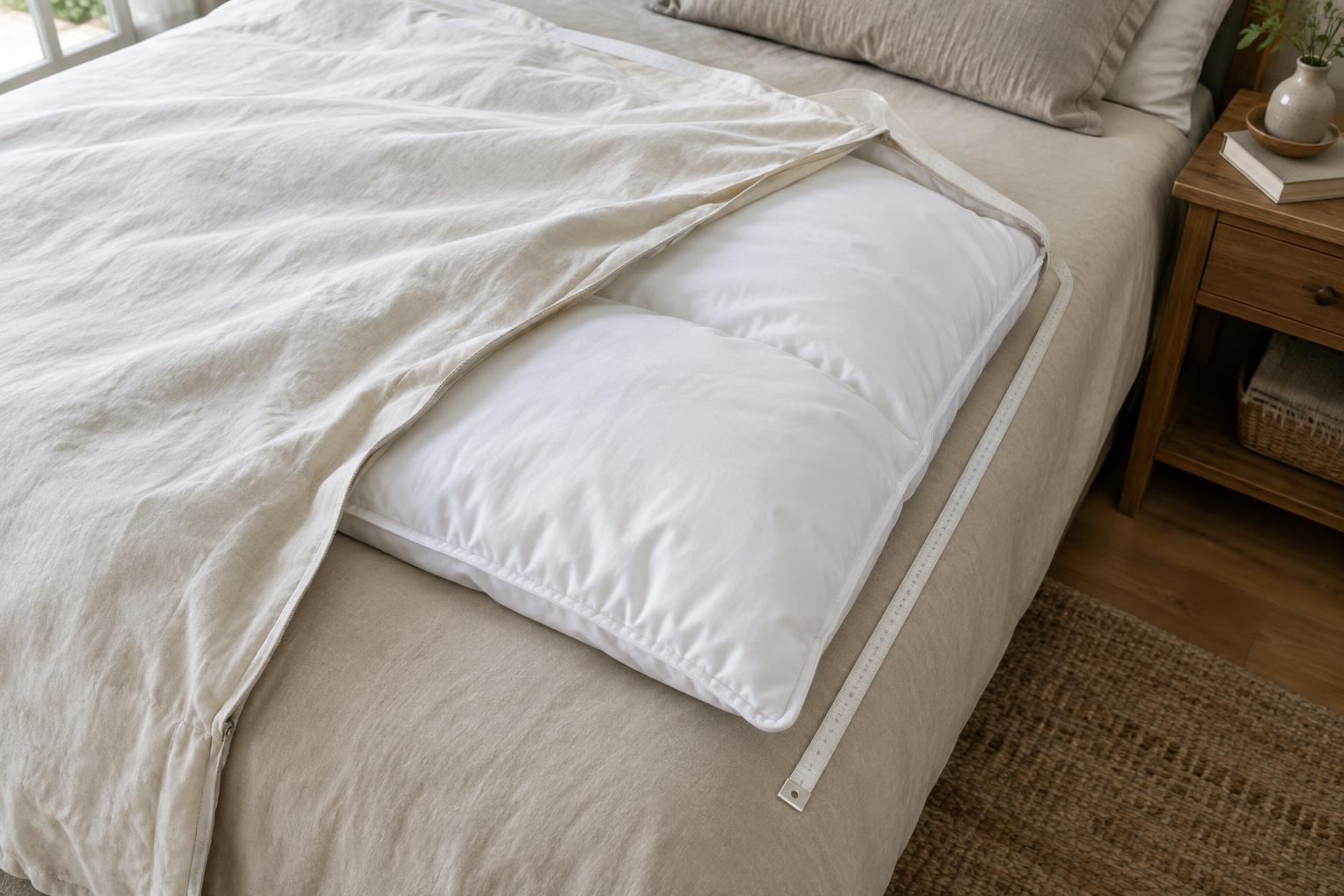
Towels and bedding call for another balance. A heavier towel may feel plush, but its loops, fibre and construction influence absorbency, and a thick towel may take longer to dry in your home. With sheets and duvet covers, greater weight is not automatically more comfortable: some people prefer a substantial feel, while others want a lighter fabric that is easier to wash, dry and store. Compare samples with the season and your laundry routine in mind.
How to compare listings without relying on a single number
Start by comparing fabrics meant for the same purpose. Note the GSM, fibre content, weave or knit, and whether the figure describes the face fabric or a finished item with backing or layers. Product descriptions are not always equally detailed, so ask for clarification when a comparison seems unclear. For a curtain, for example, a face fabric and a lined finished panel should not be treated as equivalent measurements.
Next, match those details to the qualities you need: drape, light control, softness, resilience or ease of care. A swatch is particularly helpful for large items, where a small difference in texture or colour can be noticeable across a room. Check the care label before buying. If a fabric requires a cleaning method that does not fit your routine, its appealing weight may offer little practical benefit.
A useful rule of thumb
Treat GSM as a comparison tool, not a quality grade. It answers “How much does this area of fabric weigh?” rather than “Is this the right fabric for my home?” Narrow your choices by intended use, then use weight to compare similar options. Finally, consider a sample, the finished construction and the care requirements. Together, those clues give you a much clearer picture of how a textile is likely to look and feel in daily use.